
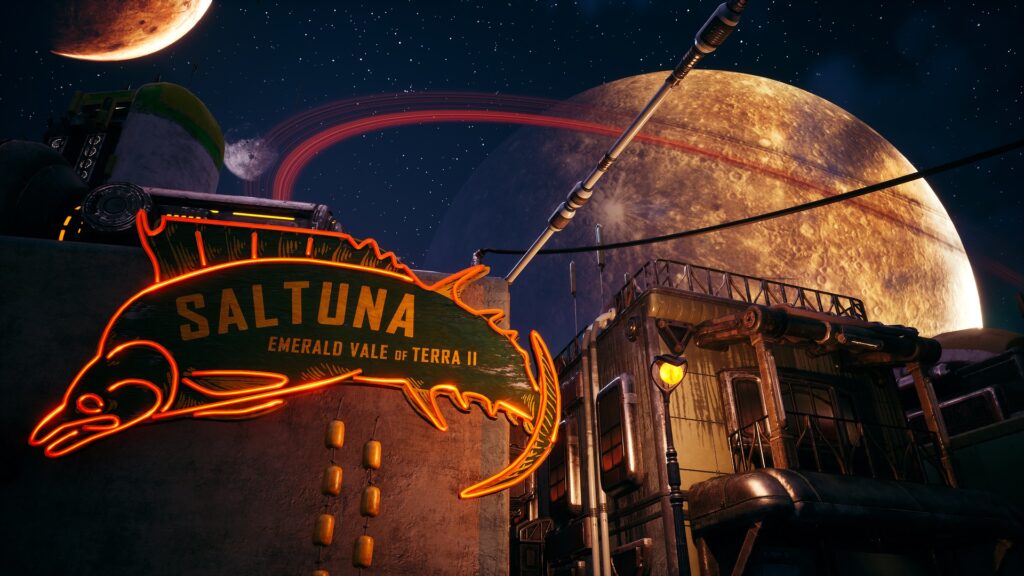
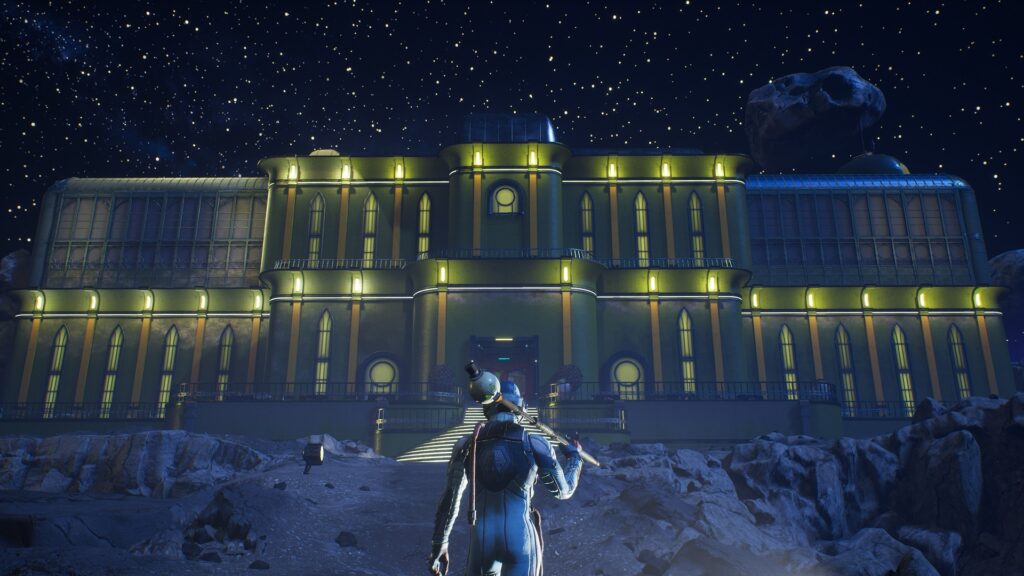


Ever since Obsidian’s The Outer Worlds released in 2019, it’s been an underrated and unsung hero in RPGs. It was a player-driven narrative through alliances made and broken, and shaped by your decisions. The Outer Worlds: Spacer’s Choice Edition comes shy of four years that includes the main game, all DLC, and many updates and enhancements that make it well worth the upgrade or brand new buy. The Outer Worlds: Spacer’s Choice Edition is the ultimate version of this wild west meets space RPG that’s sure to find its place…
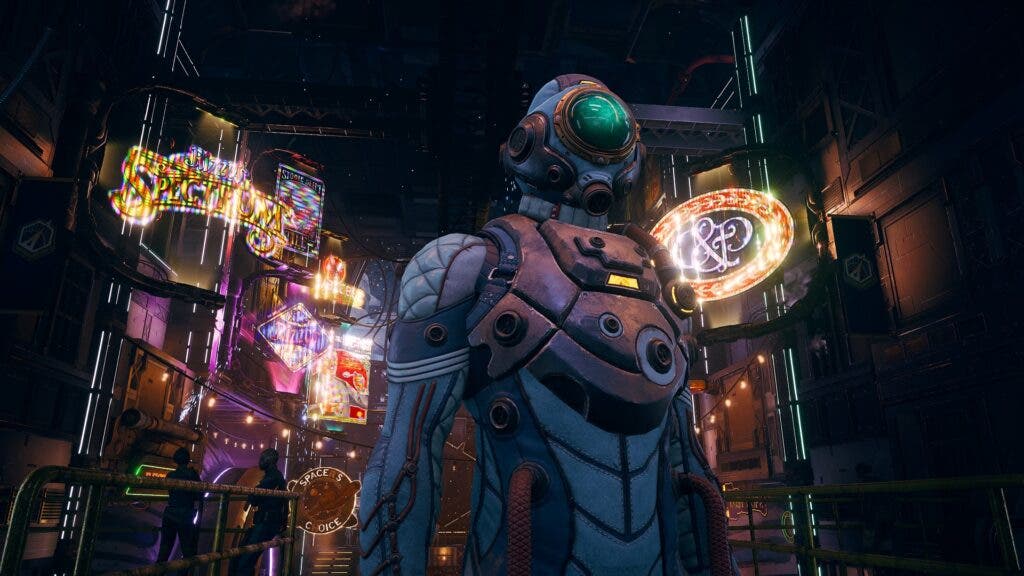
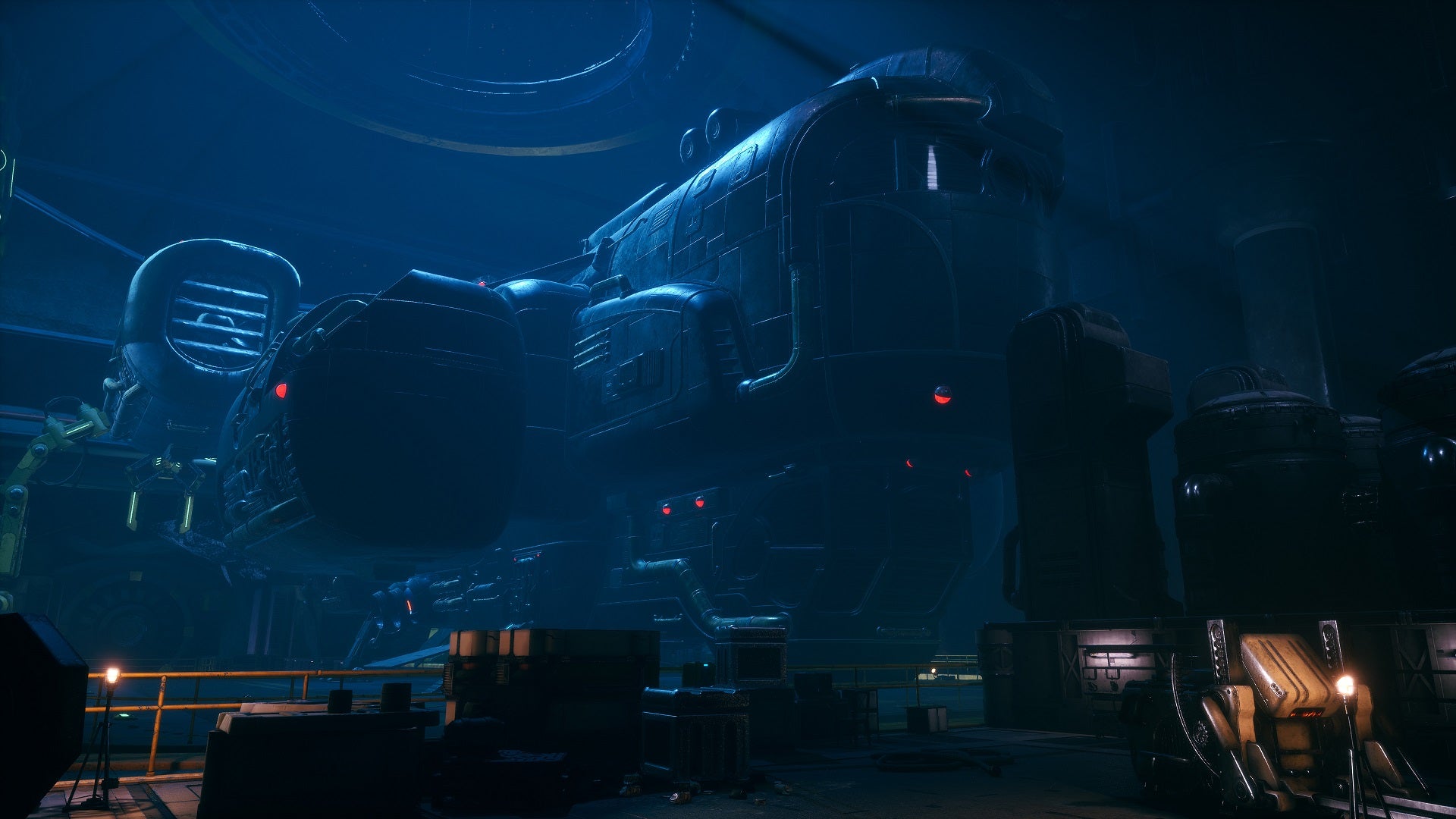
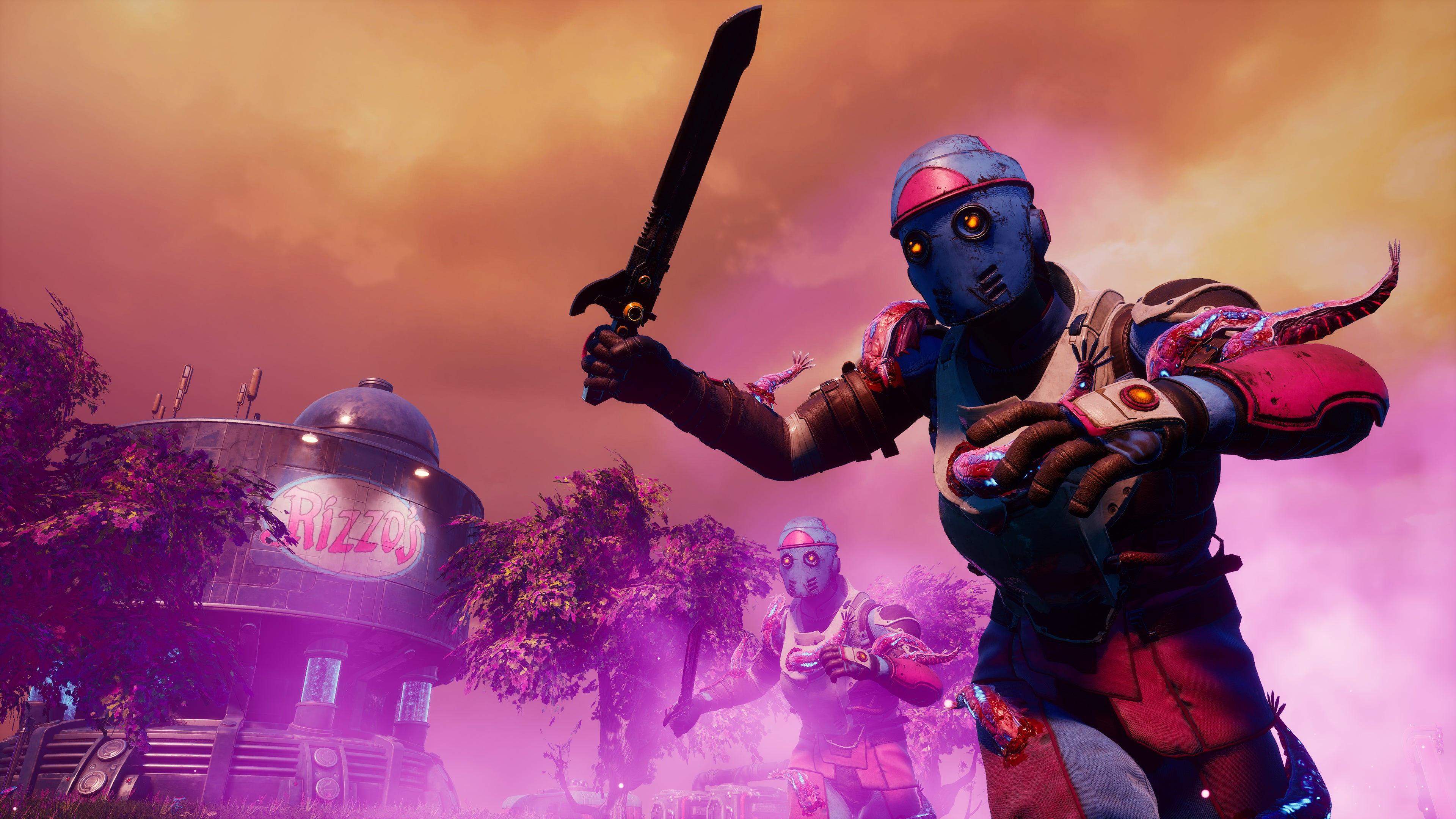
There’s a whole lot that’s new in this release, with a majority of it being related to visuals and graphical fidelity. The Outer Worlds was released a year shy of the new consoles, and I won’t say it suffered for it. But I think a lot of its longevity was shortened as it didn’t have an upgrade for those systems, until now. The game now has 4K60 support, volumetric lighting, enhanced particle effects, and environment and weather improvements. This truly has a next-generation sheen of polish on it that the game has been missing. Another area of improvement was for the AI of enemies and your companions, which behave better in just about every scenario. The Outer Worlds shipped with a level cap of 30, and with the Peril on Gorgon DLC the level cap was raised to 33, and then when the final DLC Murder on Eranos released, the level cap was then raised to 36. Not to be outdone by what came before, but now The Outer Worlds: Spacer’s Choice Edition has a level cap of an astonishing 99 – yes you read that right, they’ve gone absolutely mad and simply removed any barriers of character building.
I was surprised to find that (at least) on PC, The Outer Worlds: Spacer’s Choice Edition has a smaller install size than that of The Outer Worlds . The Spacer’s Choice Edition has an install size of 51.81GB whereas the original is 55.35GB with all DLC installed. Upon booting the game up for the first time, it seemed that the saves from the original game would not be compatible. I thought, clearly this is a mistake, and promptly exited the game. I navigated to %USERPROFILE%\Saved Games\The Outer Worlds and copied all my saves, and then pasted them into %USERPROFILE%\Saved Games\The Outer Worlds Spacers Choice\76561197970666351\ folder (that numbered folder might be different for you). When I relaunched the Spacer’s Choice Edition of the game, I was then able to load my save from where I last left off. I do hope they streamline this process for release, but for now this’ll get you by. It’s not very intuitive process, but at least the save files are in fact compatible.

This repacked and refurbished version of The Outer Worlds is largely the same game as it was before, but prettier and deeper. You awaken from cryosleep, only known as The Stranger, on a ship sent to the furthest reaches of the galaxy amid a corporate conspiracy, so how this story plays out is entirely up to you. This is an Obsidian first-person RPG, very much in the style of Fallout: New Vegas . There’s a certain style to this kind of RPG, a lost art that I wish we hadn’t gotten away from, that I’m happy to see revisited.
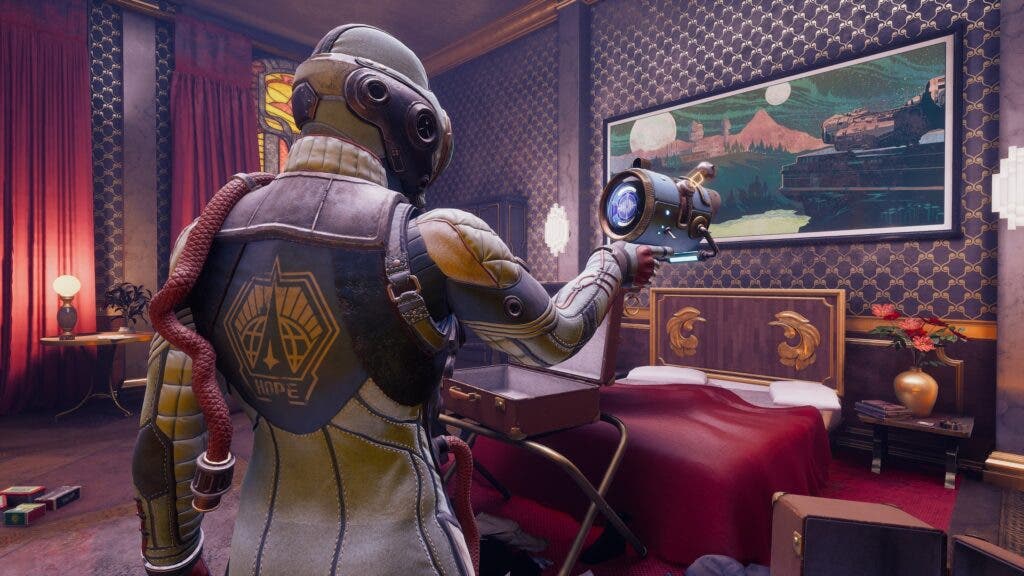
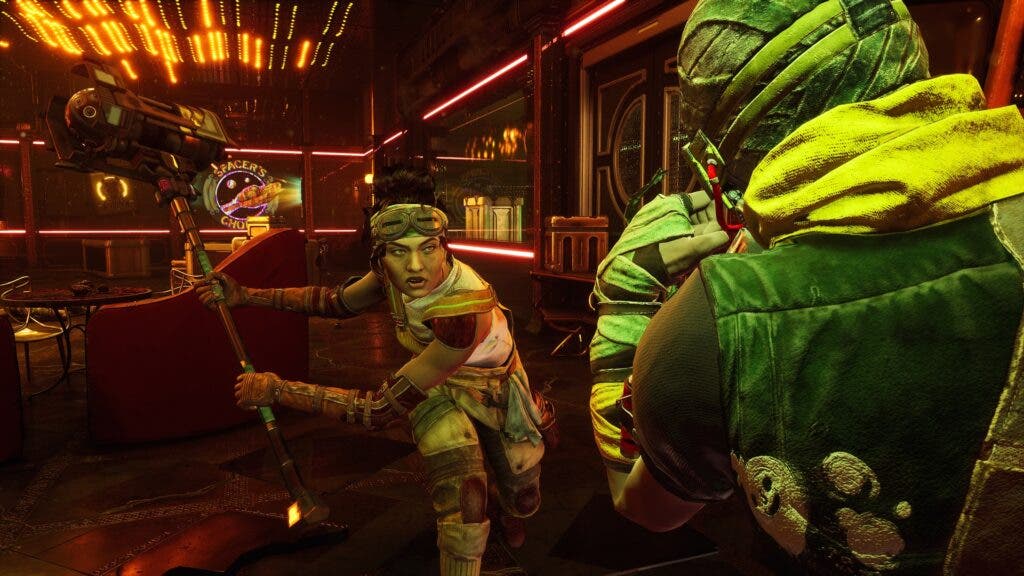
As this is a game played from the first-person perspective, the combat means you’ll be aiming down sights to shoot your enemies. The game has a vast variety to choose from: pistols, shotguns, assault rifles, sniper rifles, plasma cannons, and more. The game simplifies ammo that is used across all these weapon types into just light, heavy, and energy ammo. Instead of V.A.T.S., as a side effect from the cryosleep, your character can utilize time dilation (slow down time) to gain advantages in combat. I will say that while playing on PC, there was little reason to use it, because the game is not difficult, especially on the Normal difficulty. Though the reasons why you should use it are worthwhile, as you’ll see extra information on enemies and can target specific body parts to cripple them. Firefights are always fun to get into, and a great way for you to earn experience, and is easily the most fun you’ll have.
This is an RPG after all, so there’s a plenty of quests you’ll embark on from main, side, loyalty, and faction quests. A quality of life feature I’ve always liked is that you can sort quests alphabetically and by location, ensuring that you’ve done all the quests somewhere before moving on. The quests themselves can be solved in multiple ways, and can be intertwined with other quests, with benefits or consequences stemming from that. Dialogue plays a large part in all of them, as you can gain a lot of information simply by asking questions, and drilling deeper into topics people clearly want to talk more about. And when the time comes, you can utilize one three tactics to ensure things go in your favor with lie, persuade, or threaten skill checks, provided you’ve got enough points in either to adequately pull off a successful call.
The Outer Worlds is big on companions, and they can join you on your adventures, as you’re free to play the game entirely solo and leave all the companions back on your ship. Though as you play with them by your side, and talk to them, eventually you’ll be given a loyalty quests for each companion that helps deepen the bond between you and them. As you go through the game, your action and inaction will affect the reputations with the factions you encounter, short and long-term. How you choose your morality throughout the game will impact directly or indirectly how people perceive you. The Outer Worlds may not seem like the biggest RPG, and it’s not, but it does offer a wide range of choice and replayability that makes it easily digestible.