
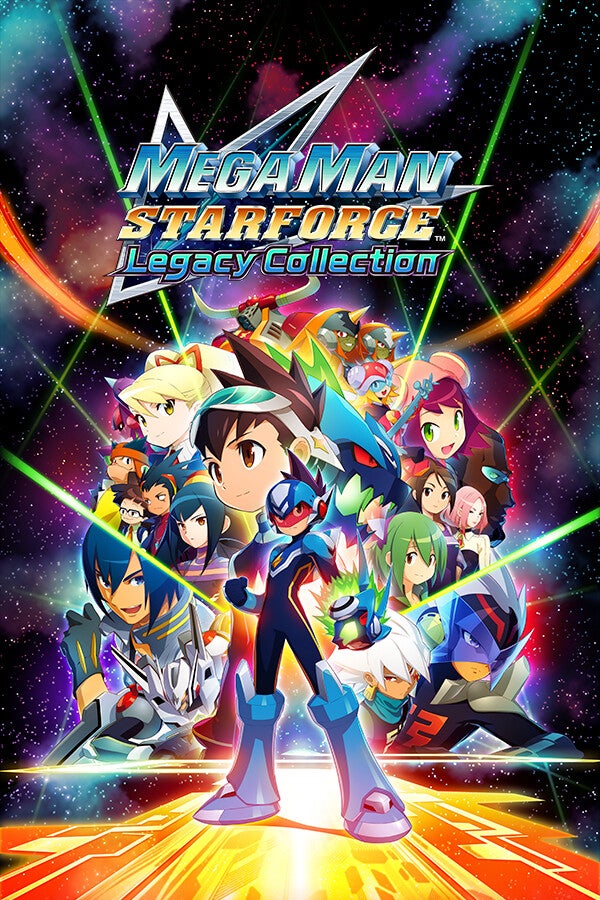
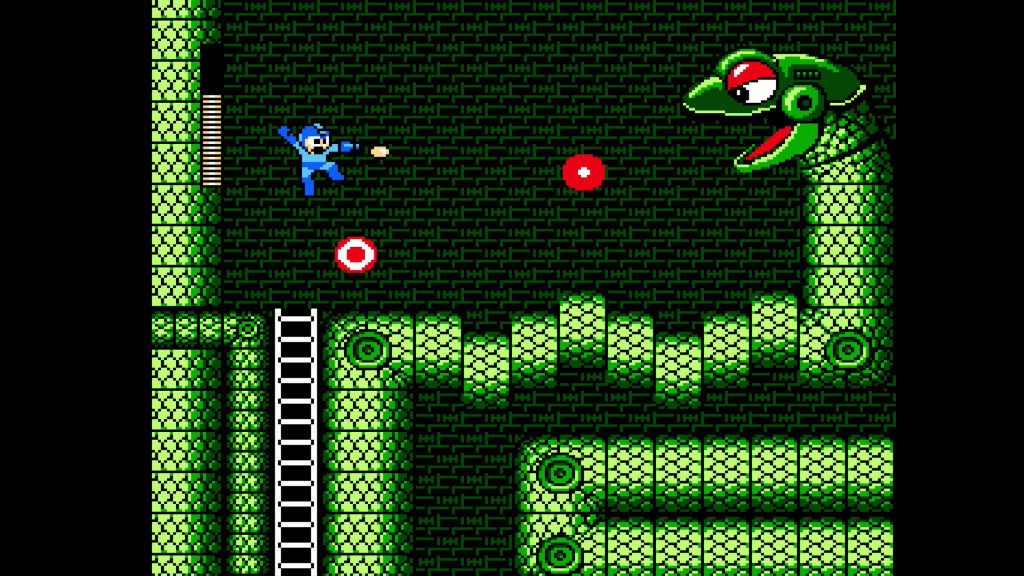
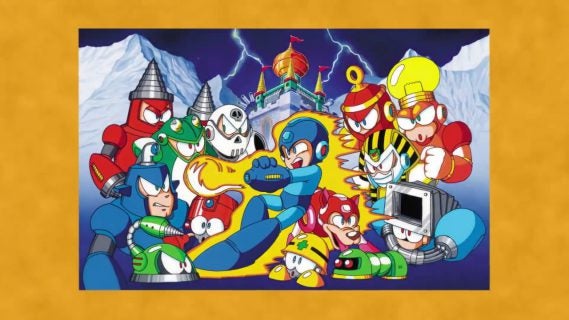
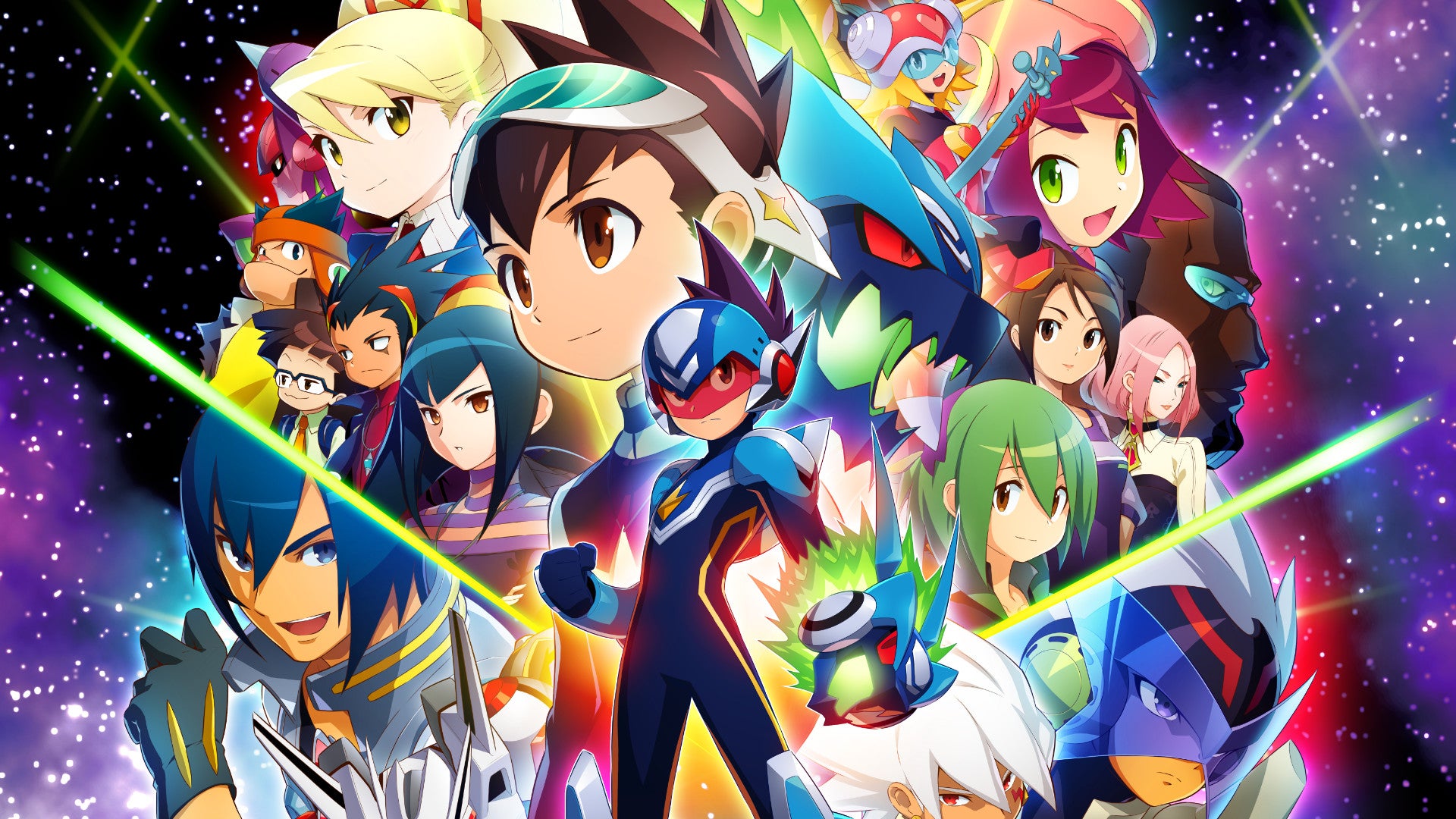

I firmly believe I’m good at two things: Bowling and starting franchises from the oddest entry point possible. Although I knew about “Mega Man” since I was kid thanks to a friend letting me borrow their “Mega Man 4” Game Boy cartridge — a sentence that establishes that I am an ancient being on the internet, a fossil, a decaying corpse — it was only when I got a PlayStation 1 that I actually started paying attention to the franchise thanks to the impressive “Mega Man X4” intro sequence. Guess which game I played next? That’s right, “Mega Man Battle Network”. Mega Man Star Force was a blip on my radar; I was too engrossed in strategy games and rhythm games back then to pay attention to anything else. A mistake that is now corrected thanks to “Mega Man Star Force Legacy Collection”.
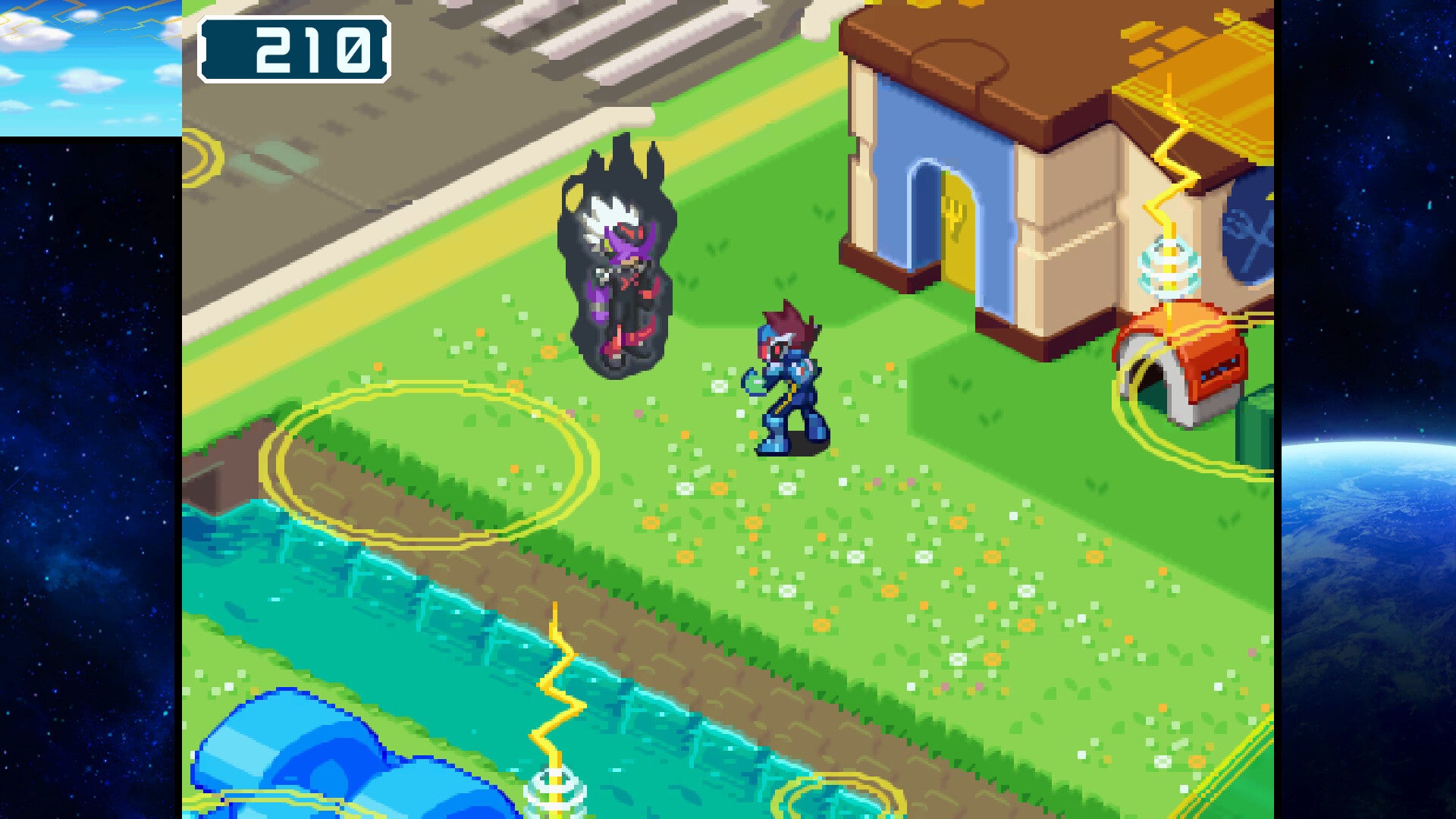
In case you haven’t noticed, I have zero nostalgia for “Mega Man Star Force”. I didn’t grow up with it, I saw mentions here and there and a lot of folks were happy that Capcom was “remastering” the games and publishing on multiple platforms. “Good for them I guess”, I thought to myself. But, after hearing so much praise from friends about how the DS was a “great fit” for the supposedly “successor” of Battle Network, why not give it a chance, right?
The collection gives a great first impression. Not only are the three main games of the franchise — each with its variant — neatly arranged, but it also comes with a plethora of options that were absent in the original Battle Network re-releases such as a better filter (that I am still not very fond of), updated artwork for both characters and card arts, the possibility of playing favorite songs during battle, and a multitude of options regarding experience boosts, item discovery and enemy encounter rates. If anything, Capcom really acted on the “backlash” from the previous two collections.
Without hesitation I clicked on “Mega Man Star Force Leo”. The stage was quickly set. Geo Stellar is a kid whose father went missing after the explosion of the space station Peace; he feels like an outcast. Not willing to go to school, uninterested in making friends, eager to stay in bed all day.
Although it is set over 200 years after the events of Battle Network, the opening sequence almost feels like a 1:1 shot of the first “Mega Man Battle Network”. If they wanted me to hook me through nostalgia, it surely worked. At least for a couple of minutes until I was barraged by what seemed like an endless amount of tutorials and needless conversations. Some took longer than others to the point where I went “oh my god, can we please move the plot forward”?
In some ways, I get it, it was the first game in a “new” franchise during an era where gaming manuals started to become a thing of the past, aimed at younger audiences. This level of hand-holding is to be expected, but I do think it’s a bit too much — and later entries do very little to mitigate that issue.
Look, I’m not going to beat around the bush. “Mega Man Star Force Leo” story didn’t captivate me as much as I would’ve liked. It’s a very tropey — and I don’t say that in a bad way — coming of age story that fleshes out Geo and Omega-Xis, the Alien AM lifeform.
I will not delve into the specifics of the plethora of naming conventions that Mega Man Star Force throws around unless my goal for this article is to be over 5000 words long. Point is: Omega-Xis knew Geo’s father and after what appears to be a harsh conversation, Geo becomes the Star Force version of Mega Man. The event pretty much kickstarts the journey that will span three games.
At first, I was hesitant to even get past the first couple of hours in “Mega Man Star Force Leo”, especially after the overly long tutorial. But I’m glad that I did. Both Geo and Omega-Xis and the other cast of characters grew on me as the plot unraveled.
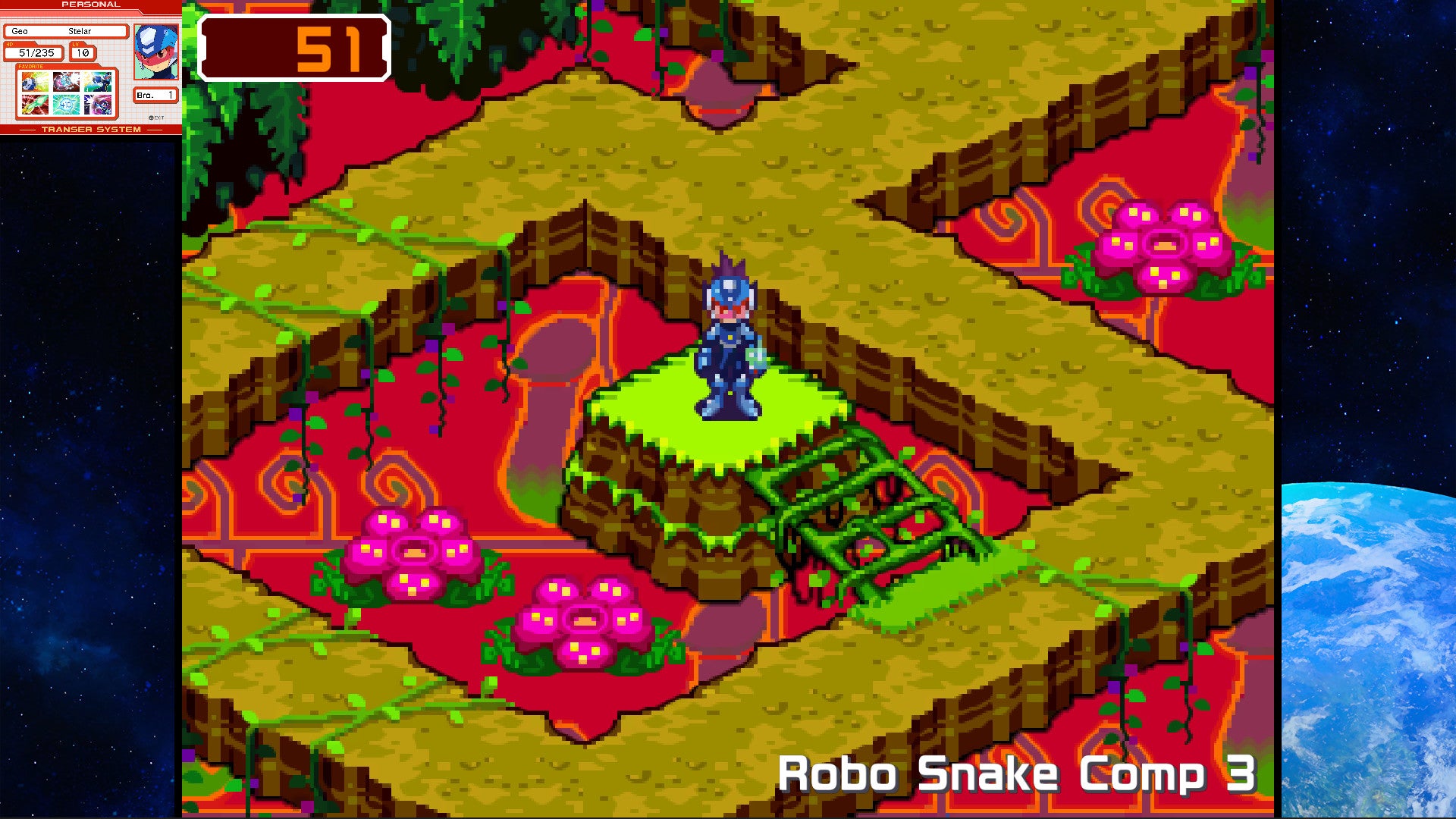
Actually, what surprised me the most across all three entries is how much I started to love the characters and worldbuilding. Although every game of the “Mega Man Star Force” series loves to spend a long time overexplaining the simplest of things, the characters and callbacks feel justified and every single one of them has a chance to shine. Something that I can’t really say for the later entries of Mega Man Battle Network.
And much like the later entries of the “Mega Man Battle Network”, “Mega Man Star Force” overall writing, at least when it comes to villains and major plot points, falls off a cliff pretty hard on “Star Force 2” and barely manages to pick itself up together on “Star Force 3”. It does end on a better note than I expected, all things considered.
When the credits rolled on “Star Force 3”, I sighed in relief and said: “Okay, it wasn’t as bad as I thought it would be”. Again, I am so glad that I ended up enjoying the main cast, because if it wasn’t for them, I’m not sure if I would be able to finish all three major games. That and, of course, it’s combat system.
If you haven’t read my articles before, you wouldn’t know that I am first and foremost a systems driven person. The game can have a paper-thin plot, but if the combat and leveling mechanics are either good, interesting or unique, I’ll see it through to the end. It just so happens that “Mega Man Star Force” has enough meat in its bones to keep me entertained.
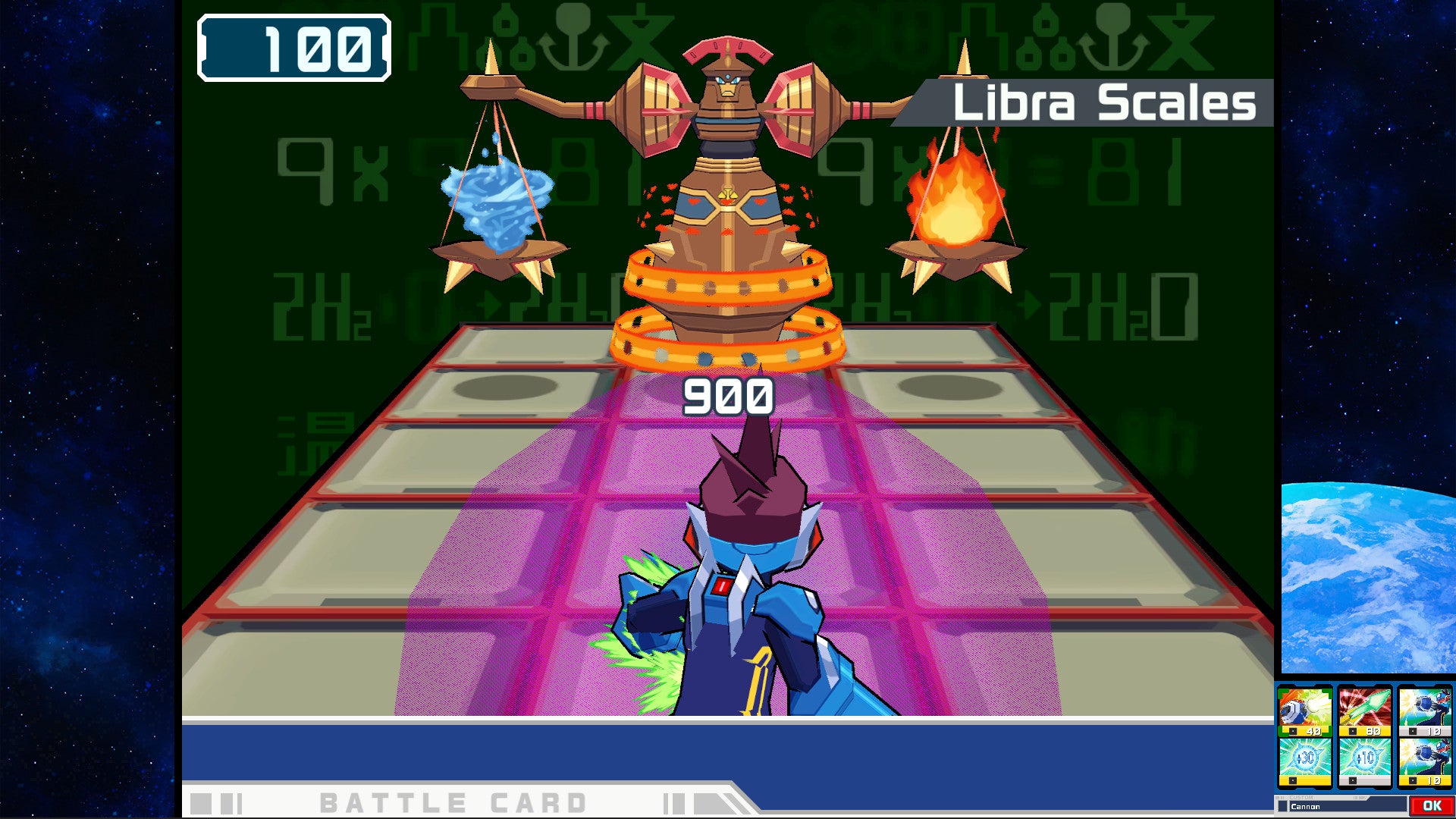
While the combat in “Mega Man Battle Network” played out on a 2D grid,” Mega Man Star Force” goes all in on 3D — greatly improved in this collection thanks to its higher resolution output, which makes the art pop off and showcases the incredible work from the art team at Capcom — and with a huge camera rework. Now you see the new “grid” from a third person view and there are no more options to dodge attacks by moving backwards. At a glance, it would seem like a regression in terms of mechanics, quite the contrary.
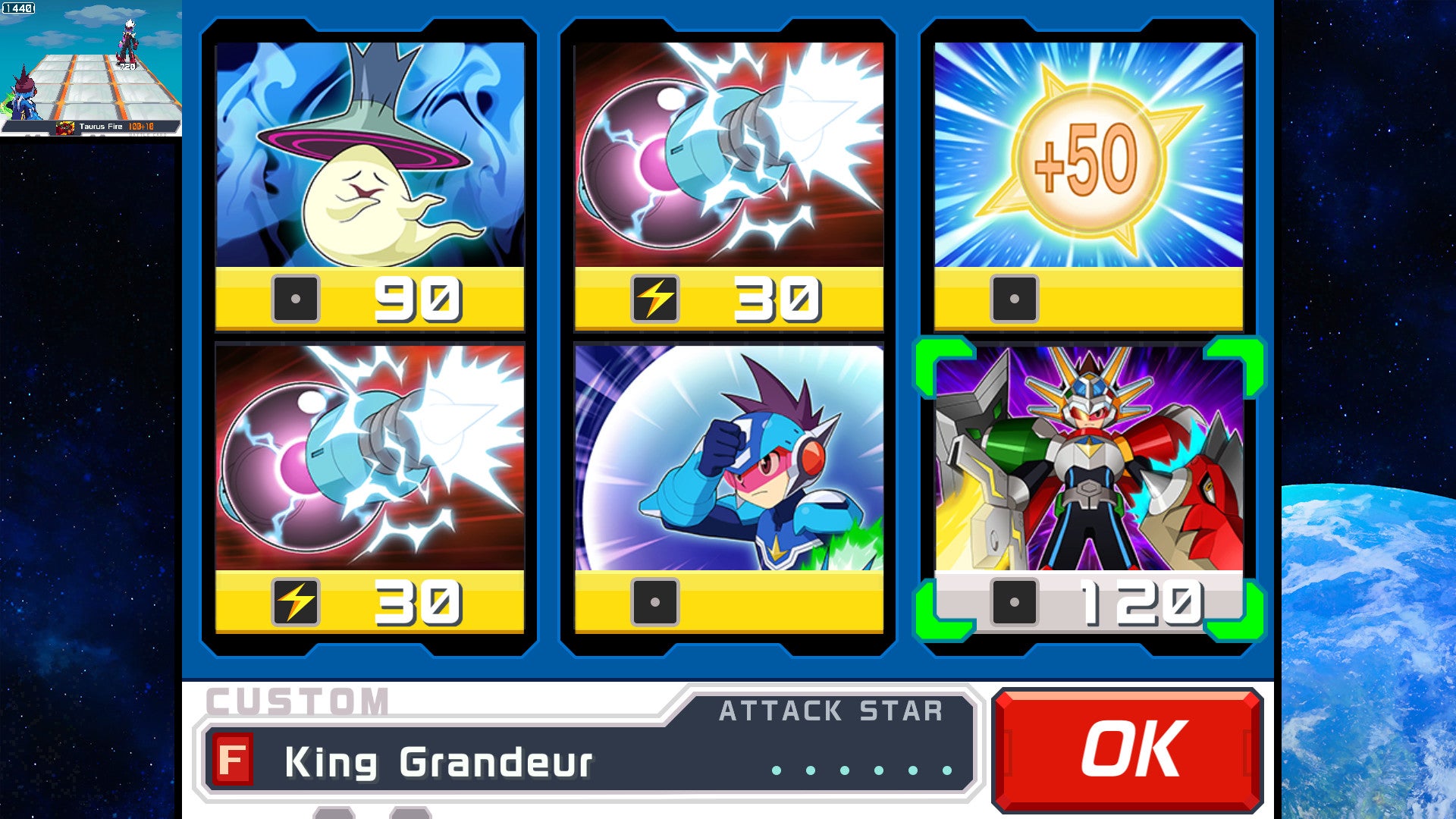
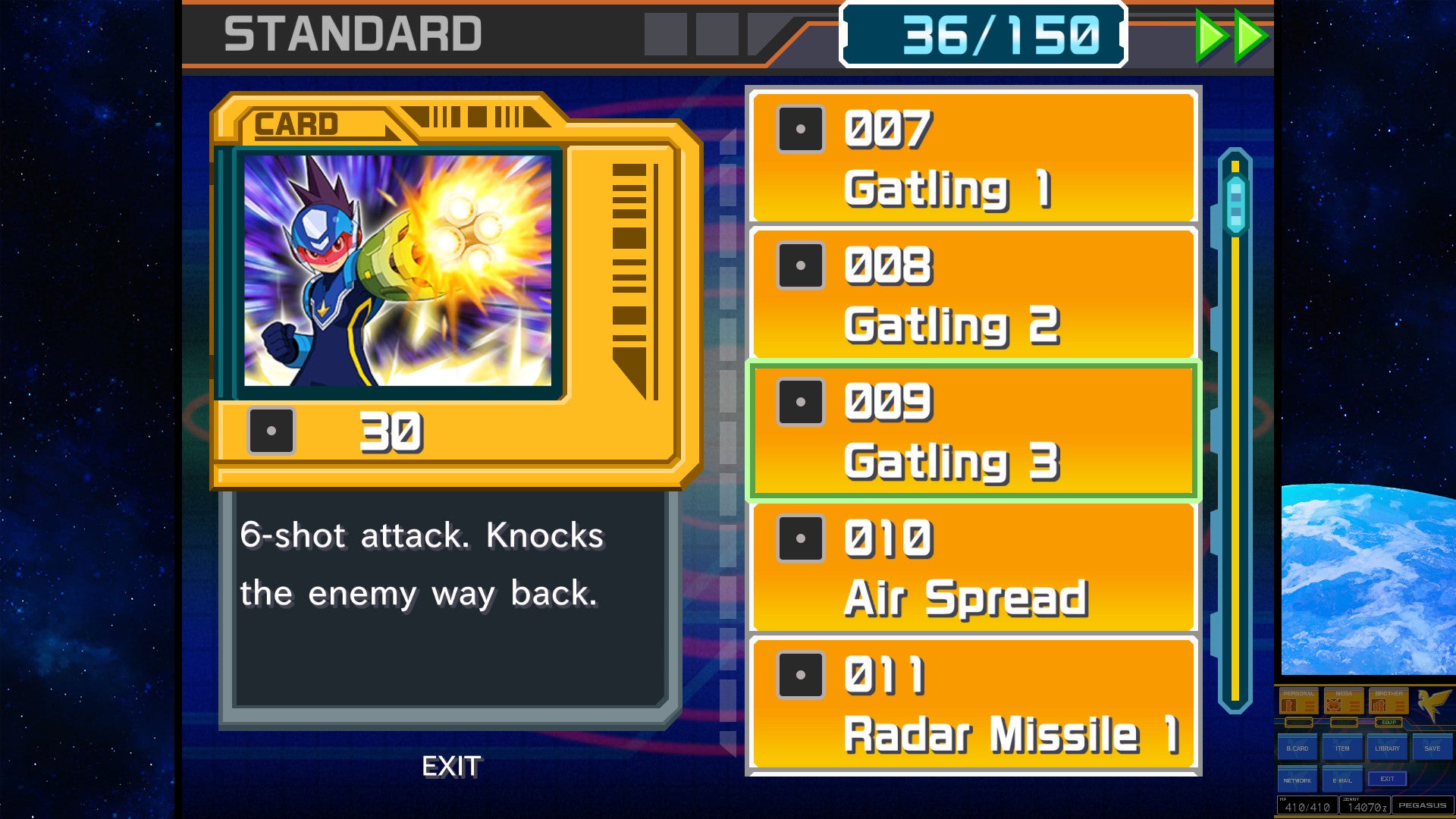
If the combat in “Mega Man Battle Network” can be described as calm and calculated, “Mega Man Star Force” is all about being a twitchy action RPG. You have dodges, the usage of cards called “chips” as combos – which steal the show with some great synergies and also with an unexpected curveball where the game restricts you to six random chips during each phase of the battle making understanding the role of each one of them crucial.
And even if you don’t want to really engage in the theorycrafting of building your chip deck – something I went in so hard that I increased the encounter rate to 200% – you still can finish the game by pure skill with dodges, counters and perfect counter attacks that stun even bosses. Will it be hard? Oh, absolutely, but I can see some sicko coming up with a strategy for it. That sicko won’t be me though.
To top it off, each new entry added just enough nuanced mechanics to make the combat even better and even more in-depth. Chip fusions, multiple forms for Geo, etc. It is a wonderful playground for anyone looking for a game that has enough depth to tinker without feeling overwhelmed.
If you told me before I even started playing “Mega Man Star Force” that I would enjoy it, as someone who is a diehard fan of “Mega Man Battle Network”, I would’ve laughed at you. “Nah, it isn’t for me”, I would’ve said. Now? I’m glad that I gave the series a chance. Sure, it has its high and lows regarding narrative, but which longstanding franchise doesn’t?
Will it be for anyone? No game is, but if you have in your heart the curiosity or grew up with it, “Mega Man Star Force Legacy Collection” is, by far, the best way to appreciate it.
My only wish? That Capcom would backport some of the improvements to the previous Battle Network collections. I know it won’t happen, but I can dream.