

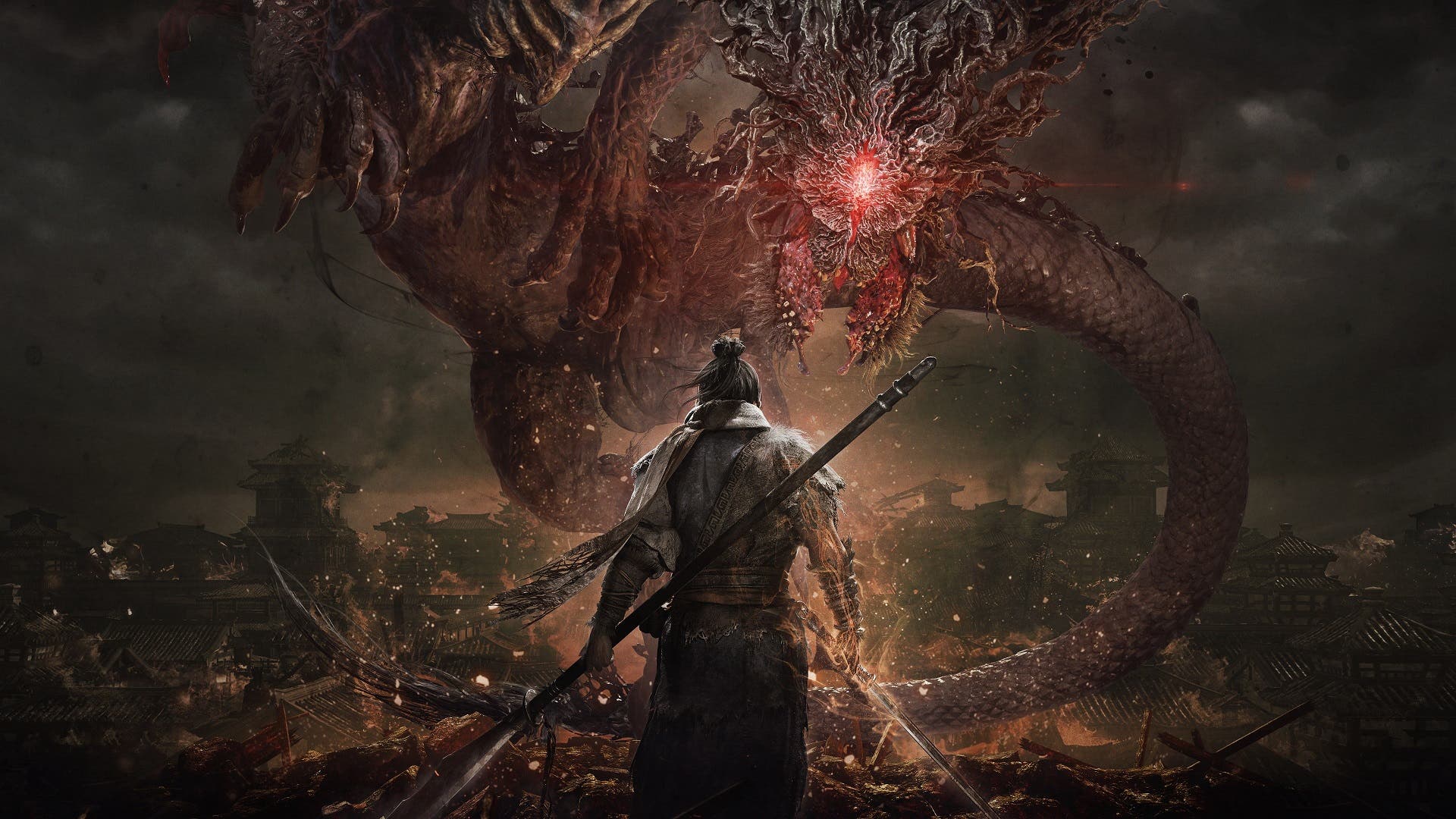


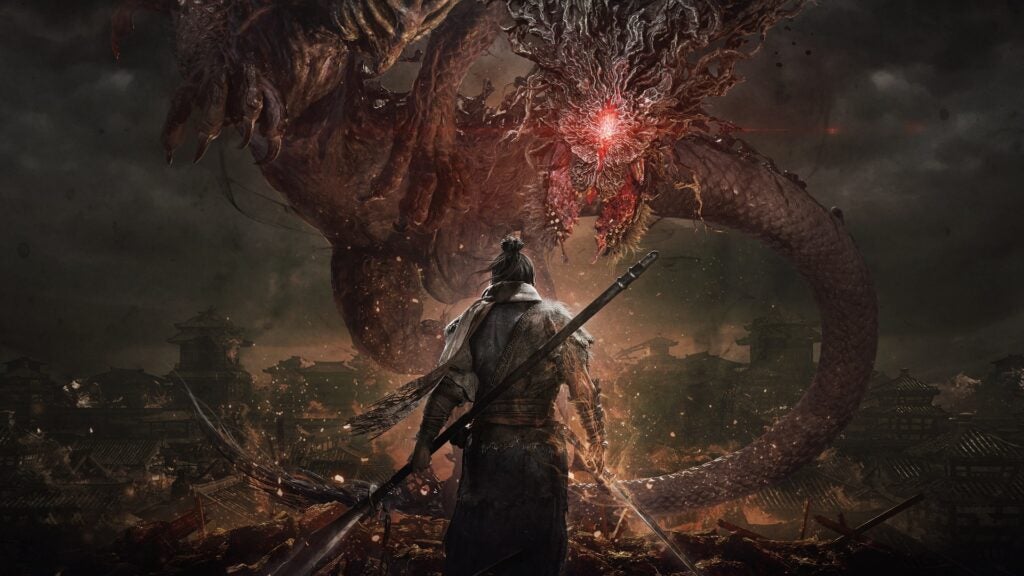
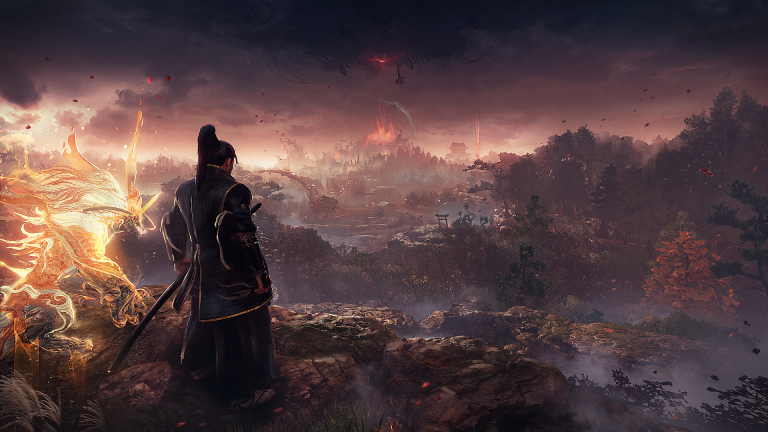
Wo Long: Fallen Dynasty comes from the team behind the Nioh and Romance of the Three Kingdoms games. The result is a beautifully grim marriage of the two series to be a hardcore action RPG. Placing the game’s setting during the Three Kingdoms era of Chinese history is a surprisingly great twist on the familiar, seeing some famous leaders with terrifying new presentations. Enough can’t be said about how this is a simultaneous release on consoles and PC, and is very much appreciated. Though I wish the game’s performance on PC was much better than it is, it remains a very compelling game. Wo Long: Fallen Dynasty is sprinkles the right amount of challenge and loot-driven role-playing action together to make a flavorful combination that doesn’t miss.
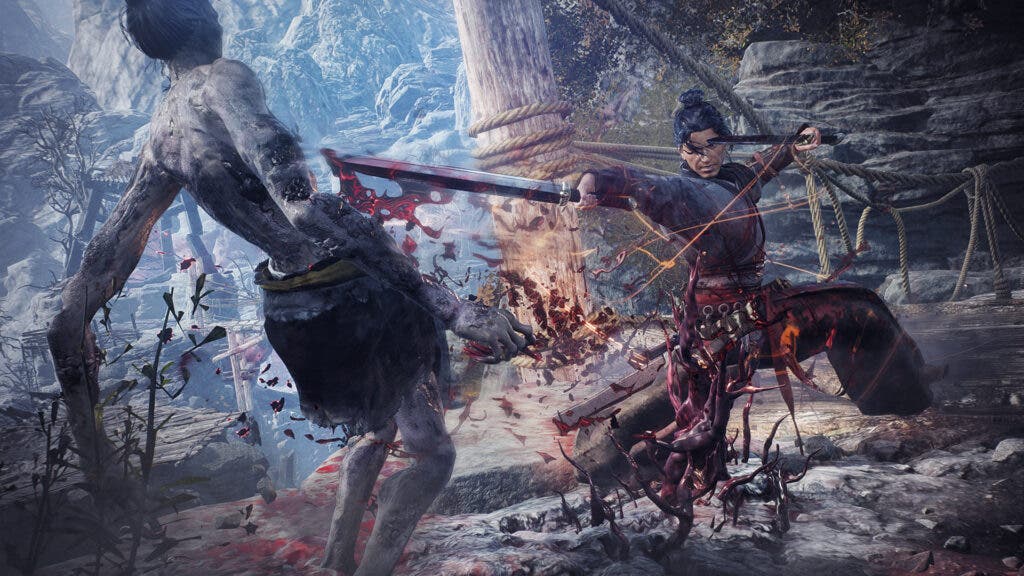
We find ourselves in 184AD during the Han Dynasty, where our nameless soldier finds themselves at the center of strange goings on and the unnatural ability to keep persevering through death. This is a dark fantasy RPG that finds itself in-line with games like ELDEN RING and the developer’s own Nioh series. If you have played either of those games, you know what to expect here, and yet if you haven’t played them, there’s enough different going on that it isn’t a prerequisite to enjoy what’s here. Where it finds itself in new territory is that it’s steeped in Chinese historical accuracy, utilizing martial arts for both its offensive and defensive capabilities. While this still relies on timing, but the implementation of speed makes it feel like a game all its own.
A robust and deep character creator awaits you, as our aforementioned nameless, voiceless hero is a blank canvas that allows you to make something as ridiculous or fantastical as you wish. While you didn’t have the option in Nioh , being able to create the character of your dreams (or nightmares) in Nioh 2 was very much welcome. Seeing this retained and expanded for Wo Long will make for hilarious showcase material for the foreseeable future.
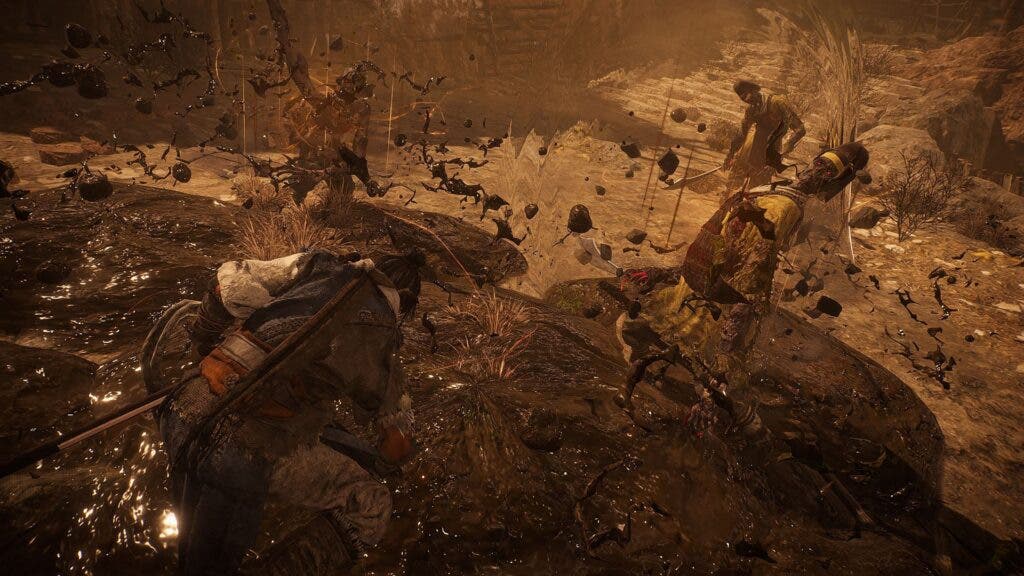
There’s no difficulty selection to choose, if you were wondering. It very much falls in-line with the FromSoftware style of game, and less like Team NINJA’s Ninja Gaiden series. There’s a introductory level that will teach you the basics of each system and mechanic, that guides you through a level, all the way to the level’s end boss. Upon completion of this, is where the real game and challenge begins. You can reliably see the flow of every level, much like Nioh . You have these bespoke levels that take you through a linear, branching path level. You’ll encounter regular enemies, loot items, equip new gear, encounter mini-bosses, capture flags, and then fight a boss at the end of it. Main missions are listed as “Battlefields”, and as you progress you’ll unlock “Sub-Battlefields” which offer remixed levels you’ve previously cleared, that’s a bit harder than it was before. I really love the structure of self-contained levels, as there’s a sense of accomplishment when you beat them, and offers a great stopping point until you’re ready to jump back in.
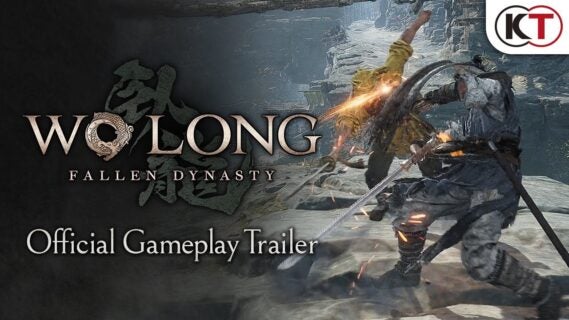
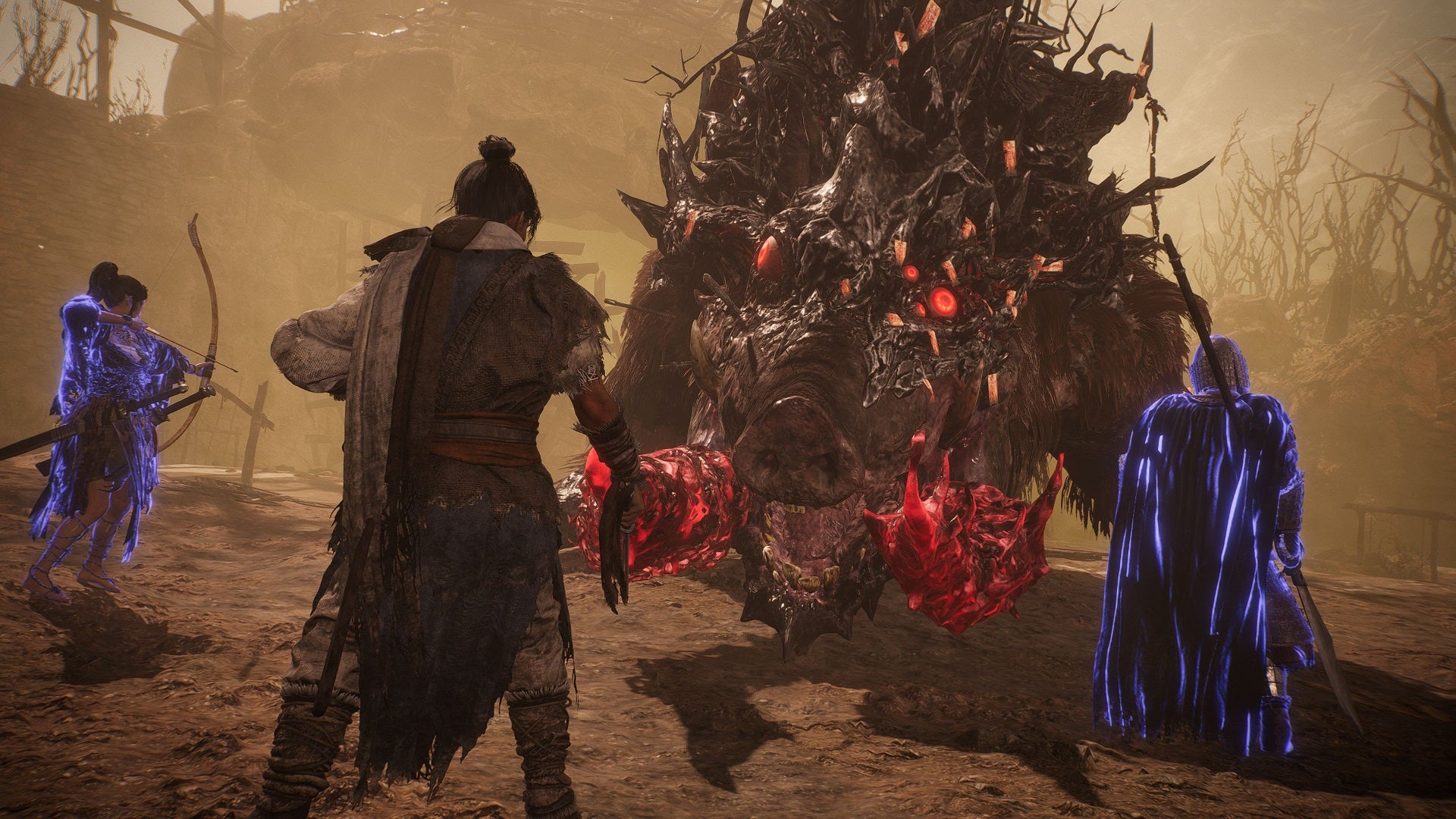
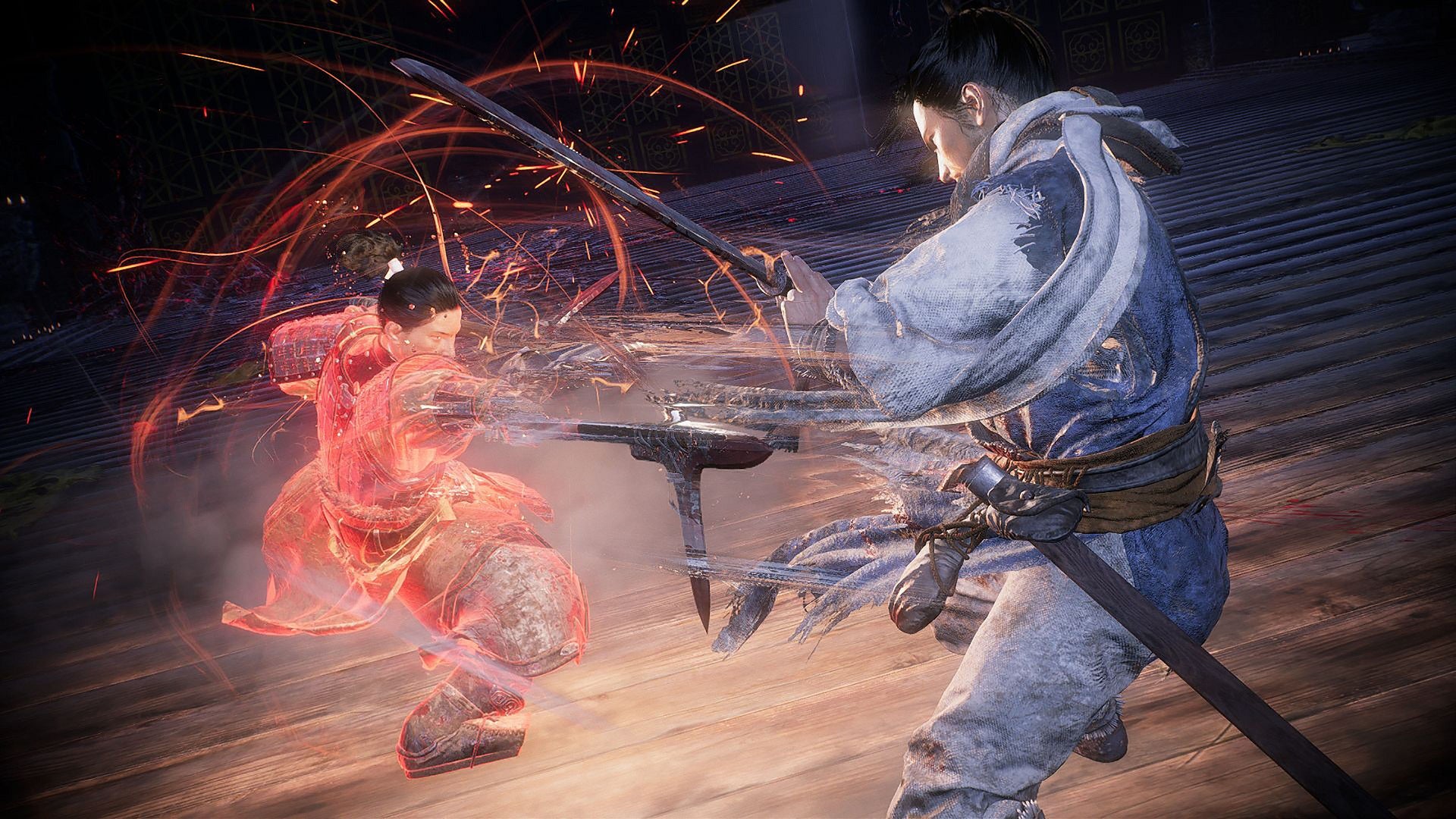
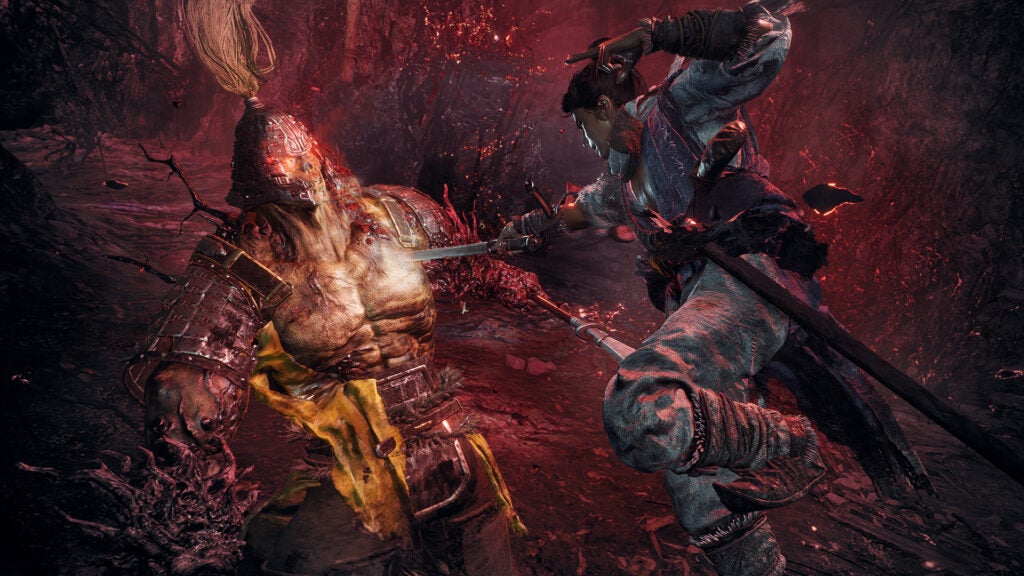
A lot of the combat in Wo Long is around the ability to time your parries. In doing so, you negate any incoming damage and are able to attack enemies uninterrupted for a period of time. The timing for this is really tight, and it seemed you have to deflect attacks later than you think in order for it to work. You have your standard attack, or you can utilize your special attack (“Y” button on the gamepad) as it cribs the enemy’s spirit gauge, allowing for them to be staggered for you to enact an attack for maximum damage. Build up your divine beast gauge to call forth a spiritual companion to do a devastating attack, ostensibly your ultimate ability. There’s even a way for you to stop enemies and bosses from exacting a critical blow to you, as long as you take out their reinforce body part that would initiate it, which is usually the arm or leg. There are even moments to execute stealth attacks, either for a direct kill or incredible damage to quickly finish them off. This isn’t new, but it feels far more fitting here.

As you work your way through a level, you’ll earn points that grows your Morale Rank. This is enhanced by defeating enemies, using martial arts, and delivering fatal attacks up to a max of 25. It only exists for a single mission, and if you happen to die, it resets until you’re able to retrieve it from your fallen body. This exists separate from your player level, which derives your health points, magic, and various attack power. Finally, there’s a fortitude rank that makes it so your morale rank cannot fall below. Enemies also utilize morale ranks, and this number is shown over their heads to denote their level of challenge relative to you. There’s a lot of ranks and levels to keep track of, but it all makes sense and doesn’t become as overwhelming as it sounds. It’s a neat system that has layers to it, and gets you to think about your approach, such as going to a banner to refresh the enemies so that you can raise your morale rank.
Instead of campfires, there are places to raise your banner. These allow you to takeover an area as your own, allowing you to make a respawn point and place to manage your inventory, or take a well-earned rest. The equipment you carry with you has a carry weight, and so it might be good to sell off extra gear you don’t want to use, or use the Qi you’ve earned to level up. It’s all pretty standard stuff if you’re familiar with the genre and the systems. There are towns you’ll visit that will have a blacksmith that can improve weapons and the like.