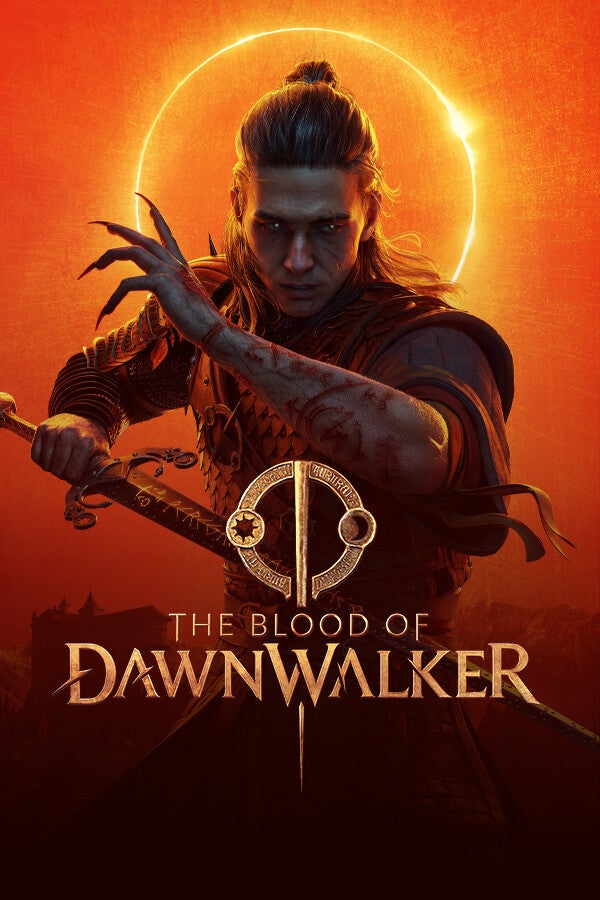
Rebel Wolves was formed by former CD PROJEKT RED developers who worked on The Witcher series and Cyberpunk 2077, a very strong pedigree. Their first game as a studio, The Blood of Dawnwalker, does lack some overall polish, but these Polish developers possess incredible talent and skill to deliver one of the most standout games of the year. Few games can win you over in their opening moments or initial hours, but The Blood of Dawnwalker was love at first bite.
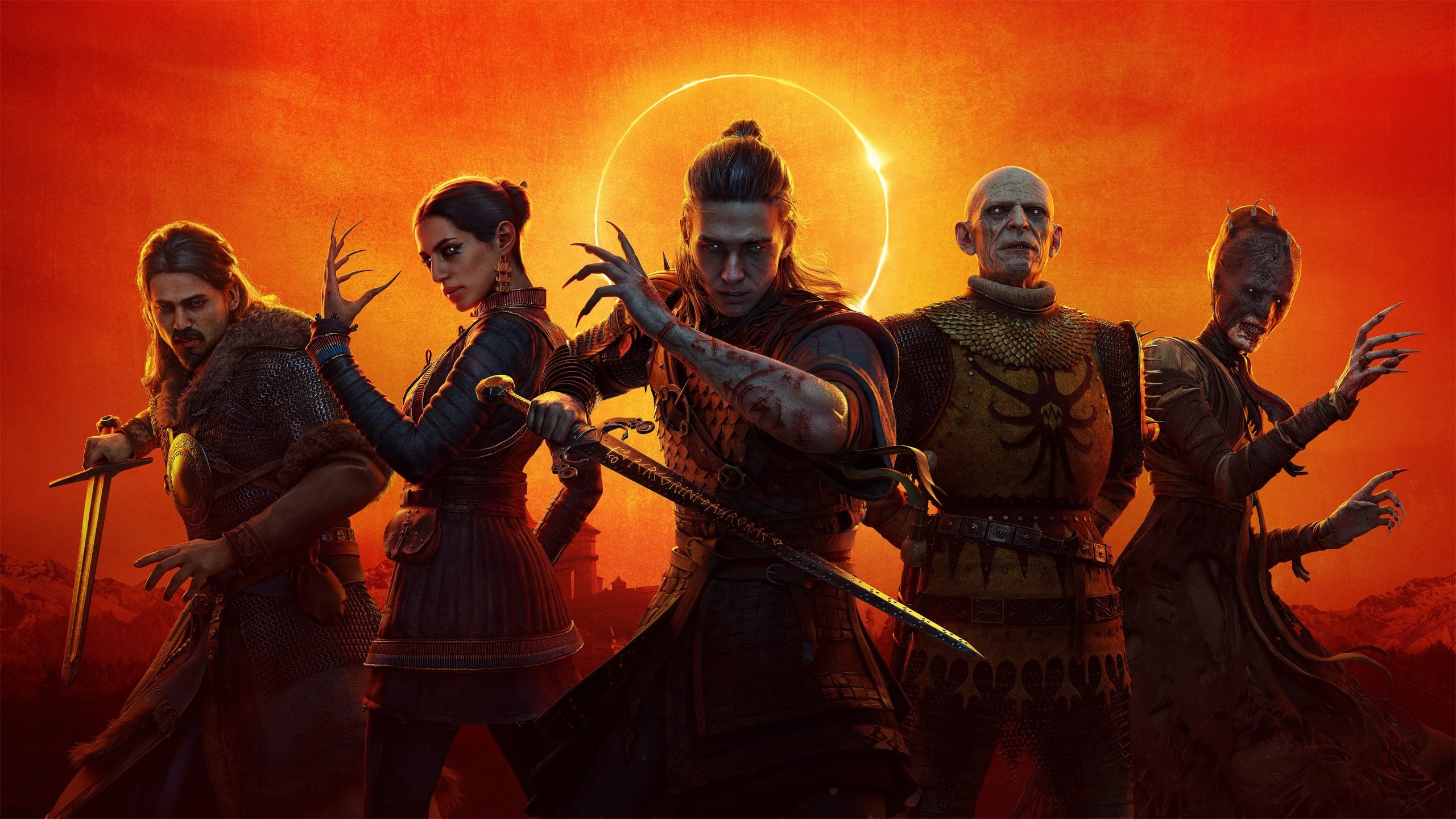
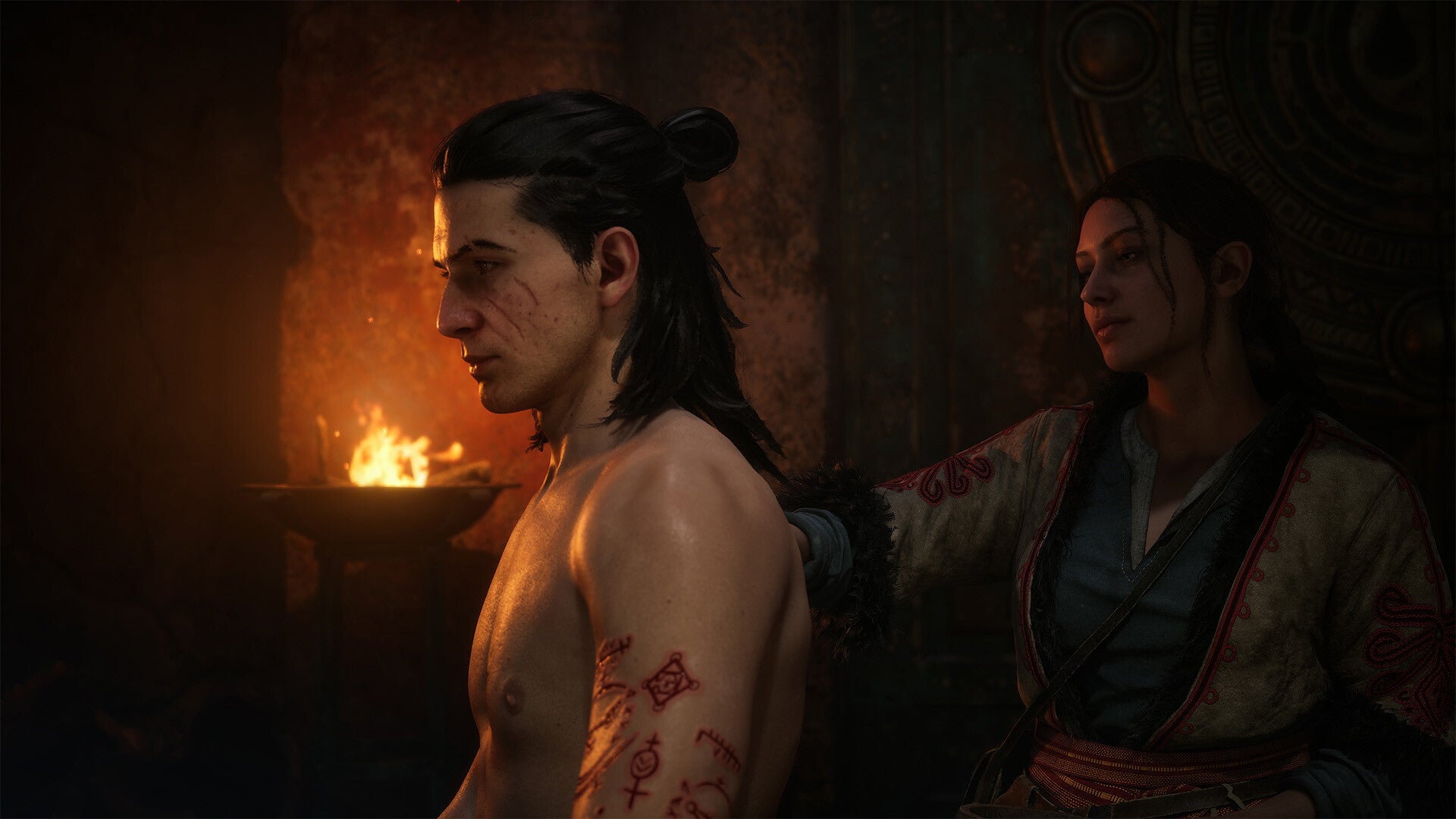
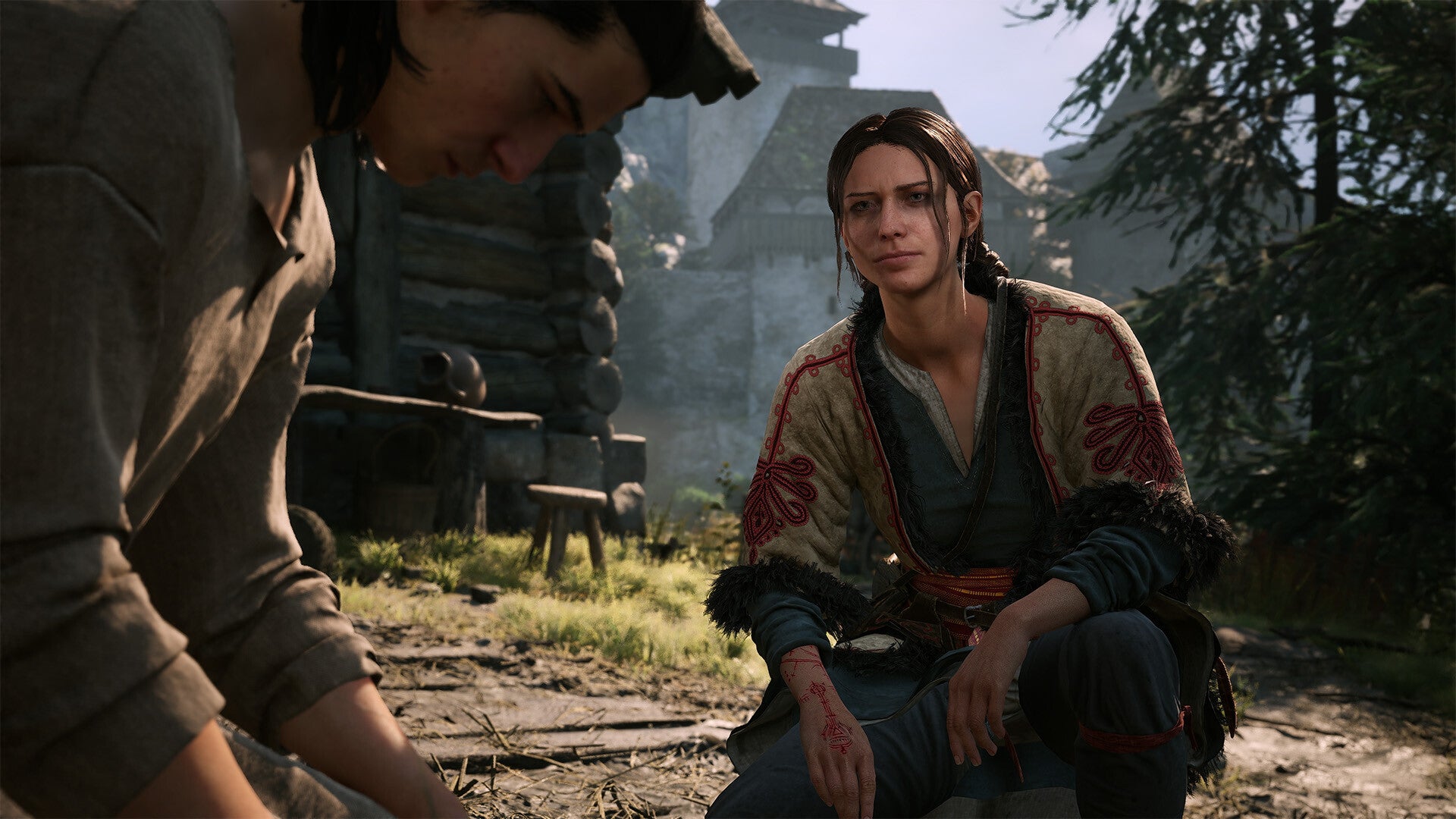
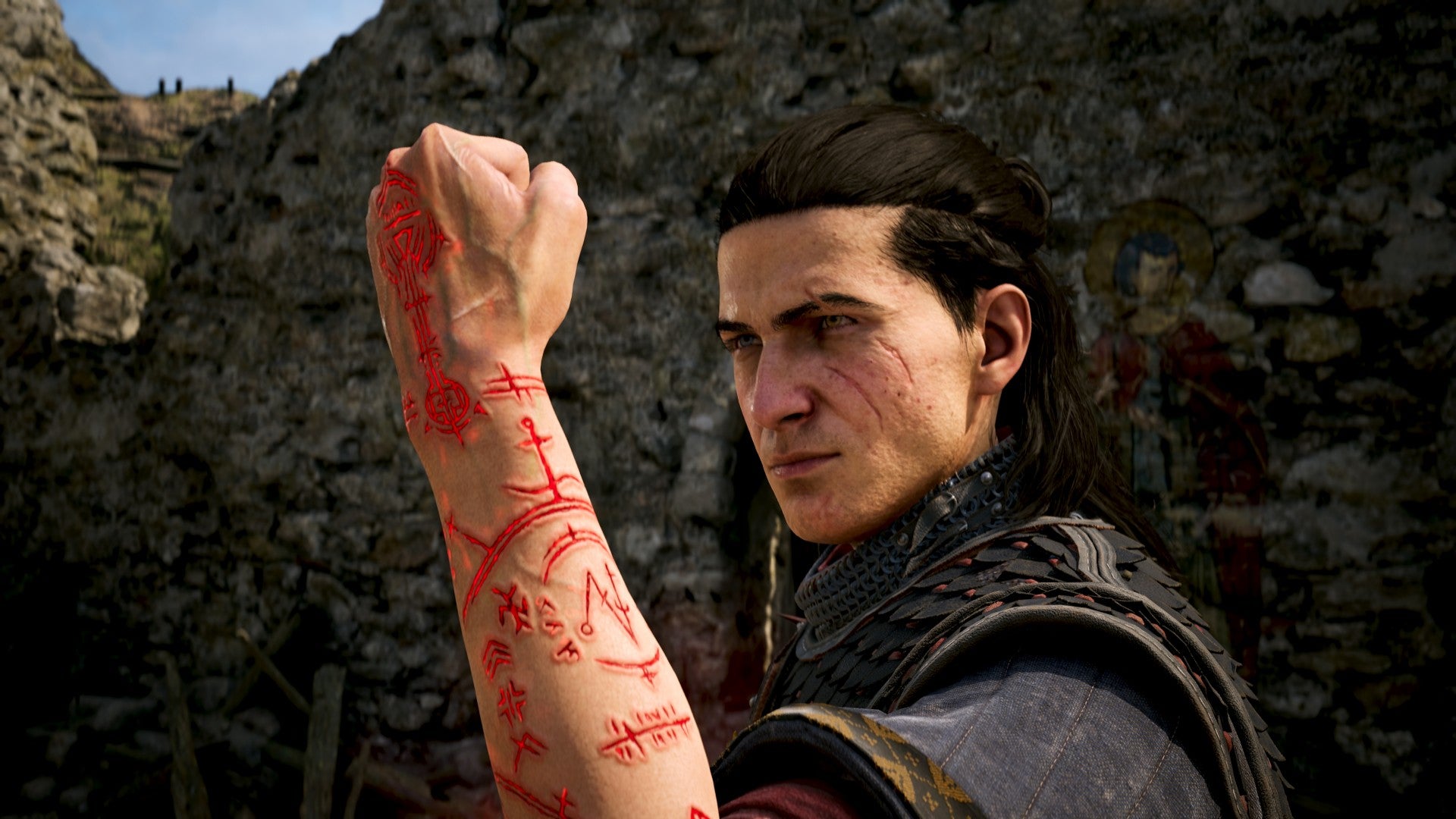
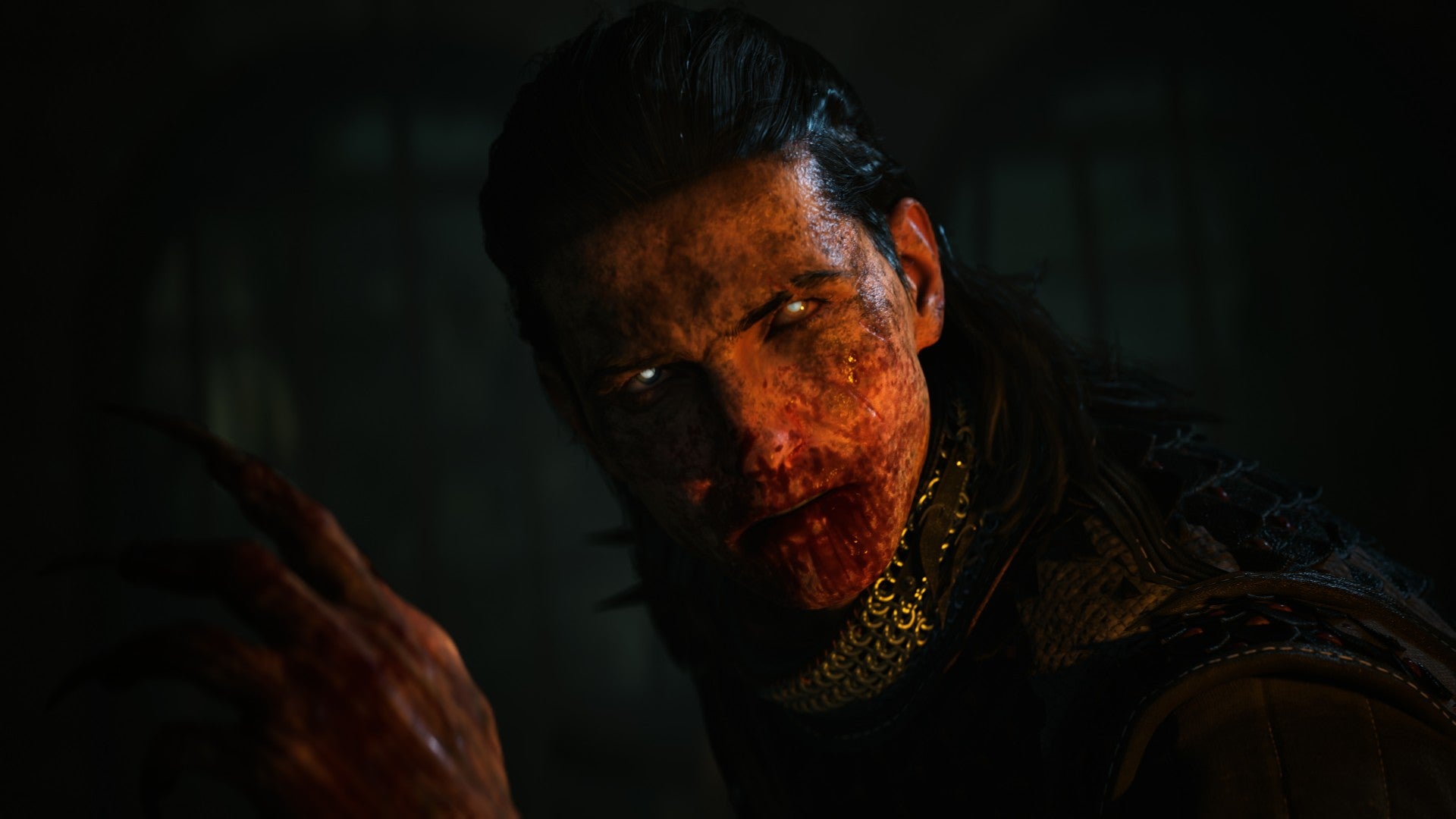
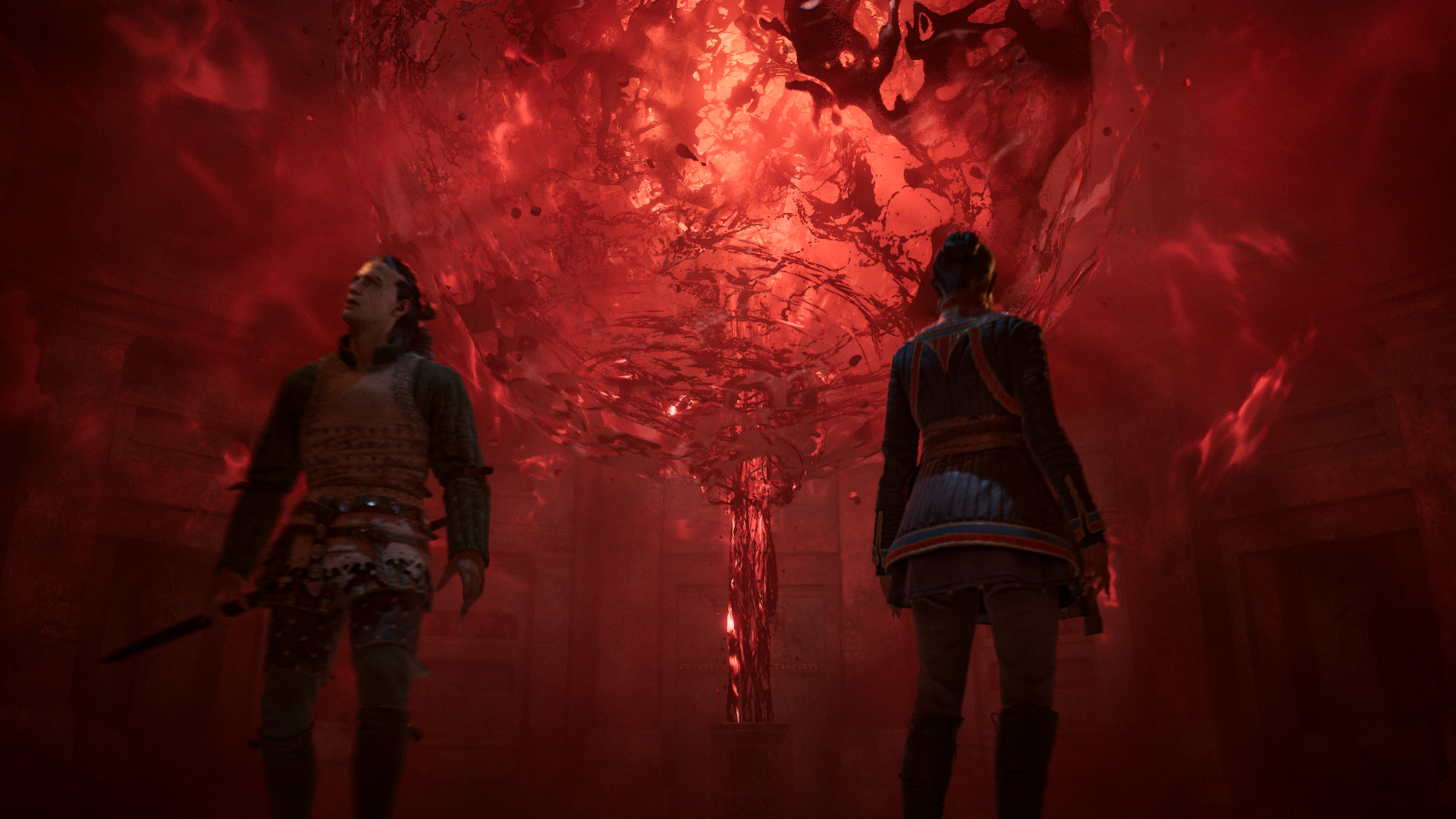
A plague has ravaged the valley of Vale Sangora, all the way down to the small village of Laslea where Coen and his family live. Vampires, or vrakhir as they’re called, have assumed control, and have the power to cleanse the plague for each person. In return, the village must give up tithes, but the currency is their blood. A price not everyone is willing to pay, even considering the alternatives. After a trippy dream sequence that serves as an initial tutorial, we’re introduced to Coen, the protagonist of this vampiric tale. He’s a nice, simple man with heterochromia. Coen of Laslea will inevitably be compared to Geralt of Rivia, as Coen resembles a younger, brown fox as opposed to the aged, silver fox that we know Geralt to be. The inexperience and naivety of Coen drive him to hasty decision-making, ultimately leading to his capture and conversion into a half-human, half-vampire hybrid early on by the vampire lord, Brencis. The game presents you with a goal, and a multitude of ways to achieve it, but it ends with the killing of Brencis and getting your family back. You could assemble a crew, systematically take down his court, then go for him or just fight him from the very start. It’s all up to you.
Quests are simply a highlight, offering layered and compelling short stories that take you to surprising places by their conclusion. The role-playing aspect of this RPG doesn’t go as deep as it could, but there are certainly consequences to your decision-making. Quests vary from helping strangers, to finding hidden treasures, and even disrupting Brencis’ operations. Some missions will have you conduct your investigations, and those who have played The Witcher 3: Wild Hunt will be instantly familiar with Coen’s focus mode which desaturates the environment and highlights important objects and enemies. This familiar element of the game allows you to focus more on the aforementioned time aspect. A playthrough of the game will take about 25 hours, depending. While not a bite-sized game nor a buffet, it does feel like a full meal that makes it easier to replay. Though there may not be drastic differences between playthroughs, it’s something you’ll feel like doing. Unfortunately, there’s no New Game+ at the time of this writing, so maybe this is something to wait for if that is a more compelling reason.
Quests are simply a highlight, offering layered and compelling short stories that take you to surprising places.
From the outset, this game was developed where time was a crucial resource you had to be precious with, and every decision and action you take would let grains of sand fall through the hourglass. It’s not a new concept, as games like The Legend of Zelda: Majora’s Mask and Persona 3 have done it. But it’s a system not a ton of games have, so it feels rightfully uncomfortable as it keeps the screws tight as you really have to think about how and what you’re doing day-to-day. Divisive as it is, it’s actually not that bad, and you don’t really need to manage your time too closely. The core conceit of the game is saving your family, and you have 30 days to do it because that’s when the next moon cycle is and the blood tithe is collected, else they die. While you can’t do everything in the game within the confines of the thirty days you’re given, I found I was able to complete all of the things I actually wanted to do, with time to spare.
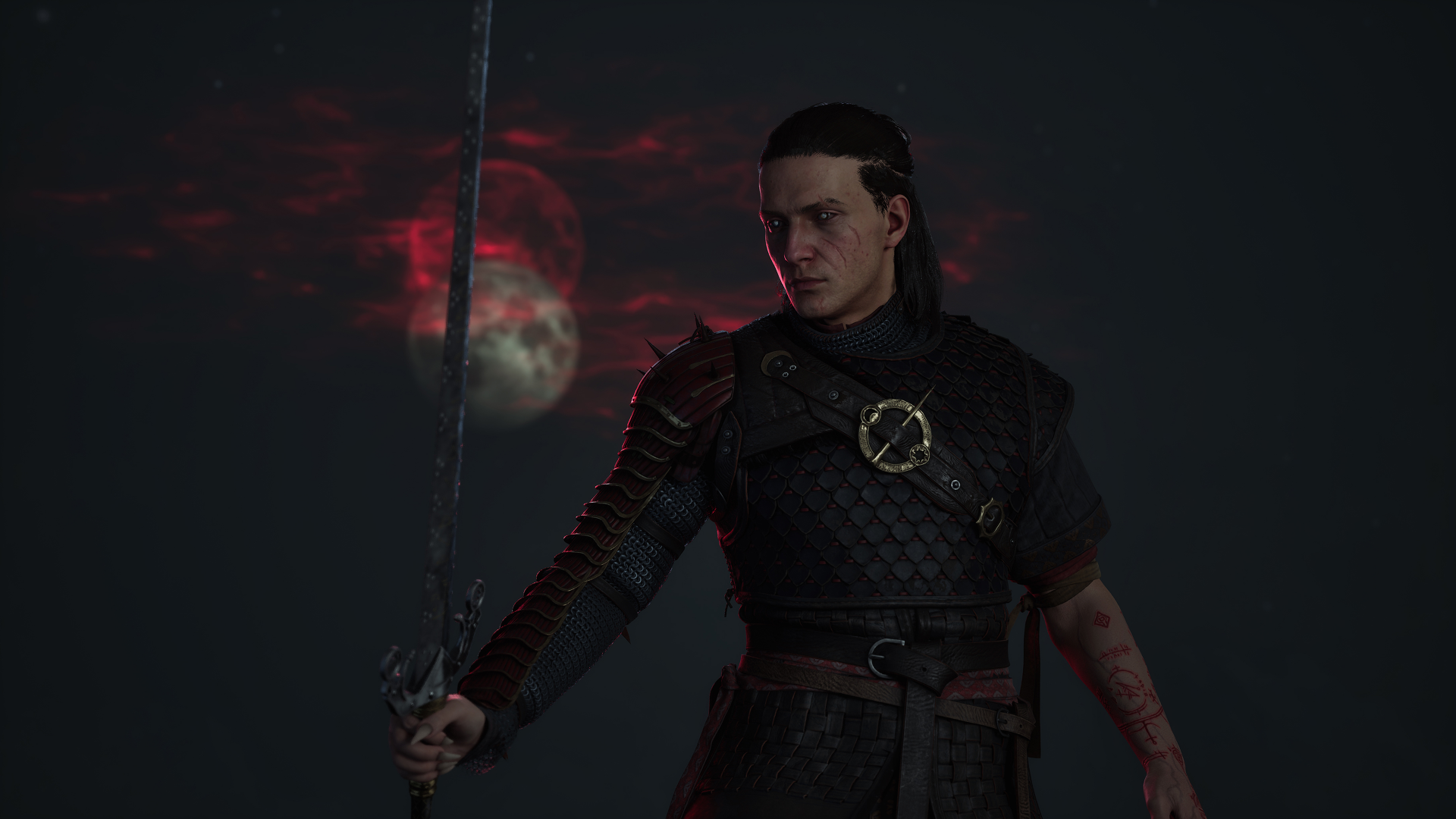
Many games have a day/night system, which is usually just to convey a living world that continues to move whether you’re in it or not. Here though, the day/night is much more fleshed out and deliberate in clever ways that impressed me. One of the first things is how quests are handled. Some quests can only be done in the day or at night, depending on the character you’re interacting with. These NPCs sleep, and so you’ll be able to juggle multiple quests based on their availability. It’s a really fun way to keep yourself busy within the time restriction while always making progress and not wasting time. Beyond quests, the time of day primarily affects Coen himself. During the day, Coen can cast a spell that lets him run like the Flash, moving at incredible speeds. At night, he can transform into a wolf (though I’m not sure why it isn’t a bat) and run similarly fast. Coen can eat regular food like pickles, sausage, fish, and onions to replenish health, but at night he can only consume blood. Coen not only has vampire powers, but is also introduced to witchcraft early on, and while you can swing a sword at any time of day, witchcraft can only be performed during the day and vampirism at night. Perhaps the coolest thing is that Coen has daytime and nighttime gear, which allows you to build sets that cater to the time of day and accentuate his strengths for combat while having two different styles to express.
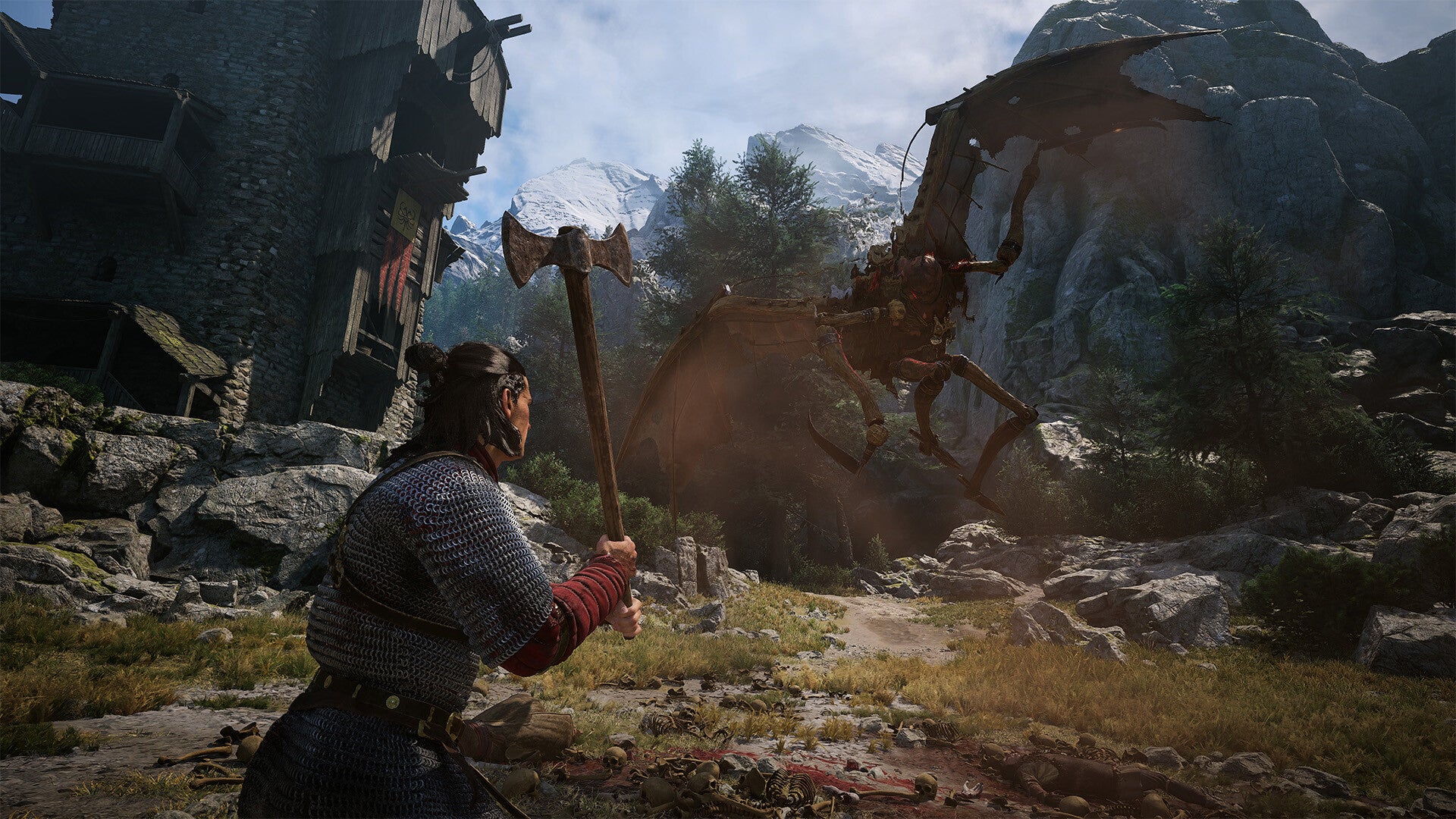
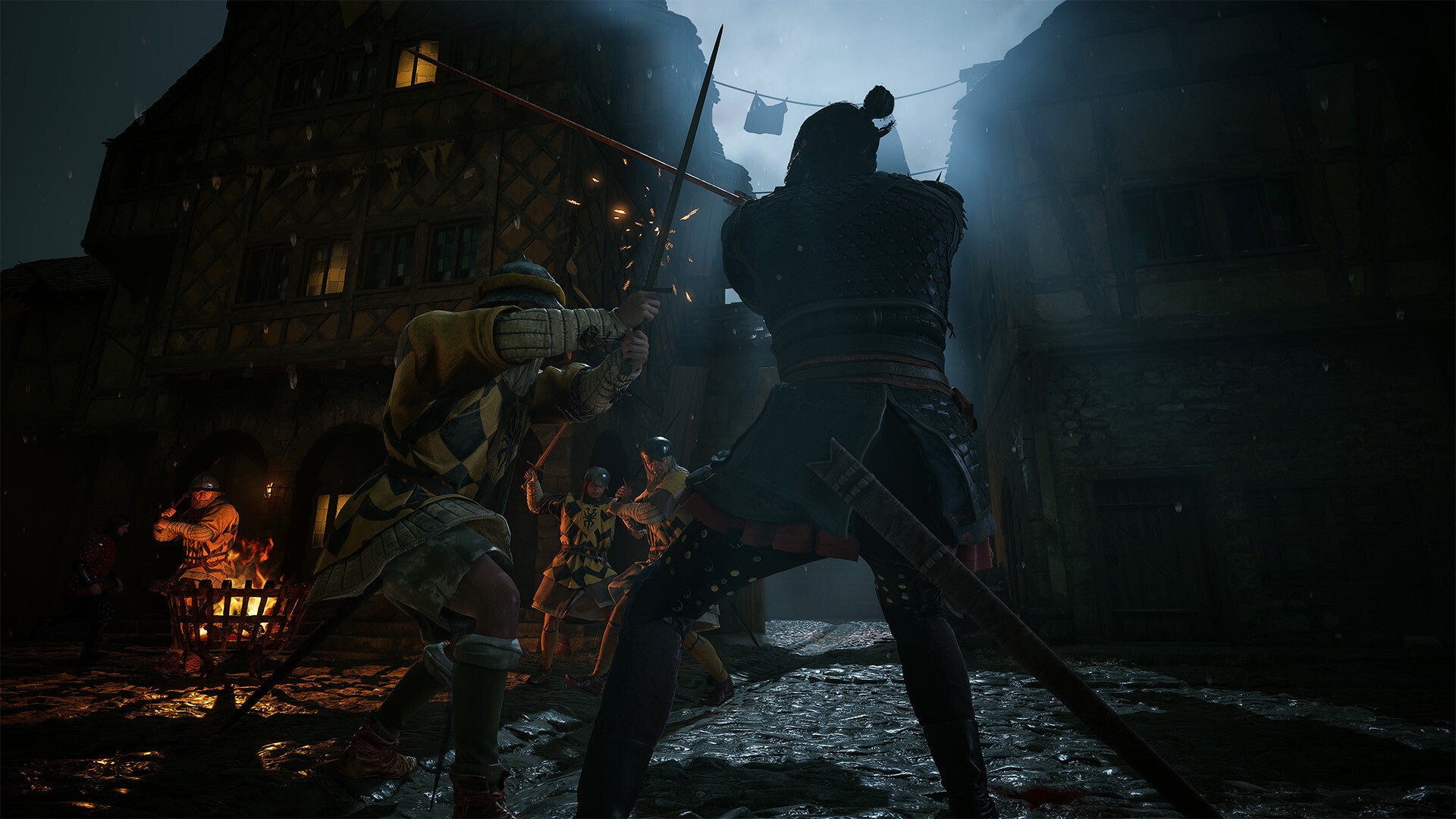
The combat is so fun here, even if it isn’t groundbreaking on its face. Like Kingdom Come: Deliverance II, you have directional combat where swings of your sword up, down, left, or right result in a different angle of attack and versatility. The enemies also have this, and thus you’ll have to block in that same direction to avoid damage. The only downside is some combat encounters put up invisible walls, making you feel trapped and giving no option to run away from a fight. Because Coen is a vampire, he has powerful claws that during the night can be more deadly than the sword he carries. No matter the difficulty chosen, you can enable omnidirectional blocking that will block automatically, at the cost of some stamina. Admittedly I read the tutorial wrong and had a rough time with the game for the first couple of hours, but once I correctly wrapped my head around the combat, I was feeling insanely powerful. Especially when you hit the perfect parry, and the metal clang sound that swords make happens, it’s glorious.
I have to say the most disappointing element of the game is the stealth. There are fleeting moments where you can be undetected, but you can’t do everything in complete stealth, it will be broken at some point. Early on I banged my head on a quest trying to be as stealthy as possible. I had to break into a camp to free a prisoner, but I didn’t want to fight the entire place. I had come back at night, so I was using my vampire powers to teleport around and avoid combat wherever possible. I eventually had finagled the teleport to get me where I wanted. I found the guard with the key I needed to free the man, and had bit him just enough to make him fall asleep, but not enough to kill. Once I rescued him, I continued to use my teleport, thinking he would find his own way out but he was killed. This is how I found out you can fail a quest. So having gotten the key, we exited the guardhouse only to be met with many soldiers unhappy with us. After fighting them, I was able to unlock a few nearby doors as an alternate exit to get the prisoner out safely. The lack of stealth gets you to think creatively, but it’s a bummer stealth isn’t viable.
There are three skill trees to pursue: Witchcraft, Swordmastery, and Vampirism. You’ll earn skill points for leveling up, and these come pretty bountifully as you complete quests. Of the three, I really found the witchcraft skill tree to be rather uninteresting. Swordmastery and vampirism on the other hand, contain the most exciting perks, abilities, and options for Coen. The earliest one you get, and still one of my favorites, is where you can boil an enemy’s blood – it’s a damage over time effect that keeps them distracted while you are able to fight a group of enemies. Some skills require that you find a book that unlocks their ability to purchase them, it’s a gating mechanism for sure, but I still thought it was pretty neat to have included. Overall, the skill system can be pretty full by game’s end, and the acquisition of all the skill points throughout the game is really well balanced.
Whether he likes it or not, Coen is a vampire and you’ll have to do vampire shit to stay alive, or at least get through the night. I talked about drinking blood to restore health. Blood can be gained by sucking on live enemies, or gathering a vial of their blood after defeating them in combat, because you can’t suck on dead bodies. You can drink the blood of humans or fauna, and as Coen notes, they taste different. Perhaps the most interesting and dangerous element of being a vampire is not having your health too low in the presence of humans. If you have under a single pip of your health bar, you may uncontrollably have to “feed the hunger”. During conversations, your dialogue options change as the thirst for blood becomes all you feel, leaving feeding as your only choice is a frightening realization. In one example, I fought a bunch of enemies to save captive humans, taking enough damage to drop below that single health bar. Immediately after freeing them, I succumbed to my desires and fed on the very person I had just saved. In most circumstances I did my best to top off my health before talking to humans, just so I could avoid that. I could definitely see a chaos playthrough where you just kill and feed off of everyone you see.
During conversations, your dialogue options change as the thirst for blood becomes all you feel, leaving feeding as your only choice is a frightening realization.
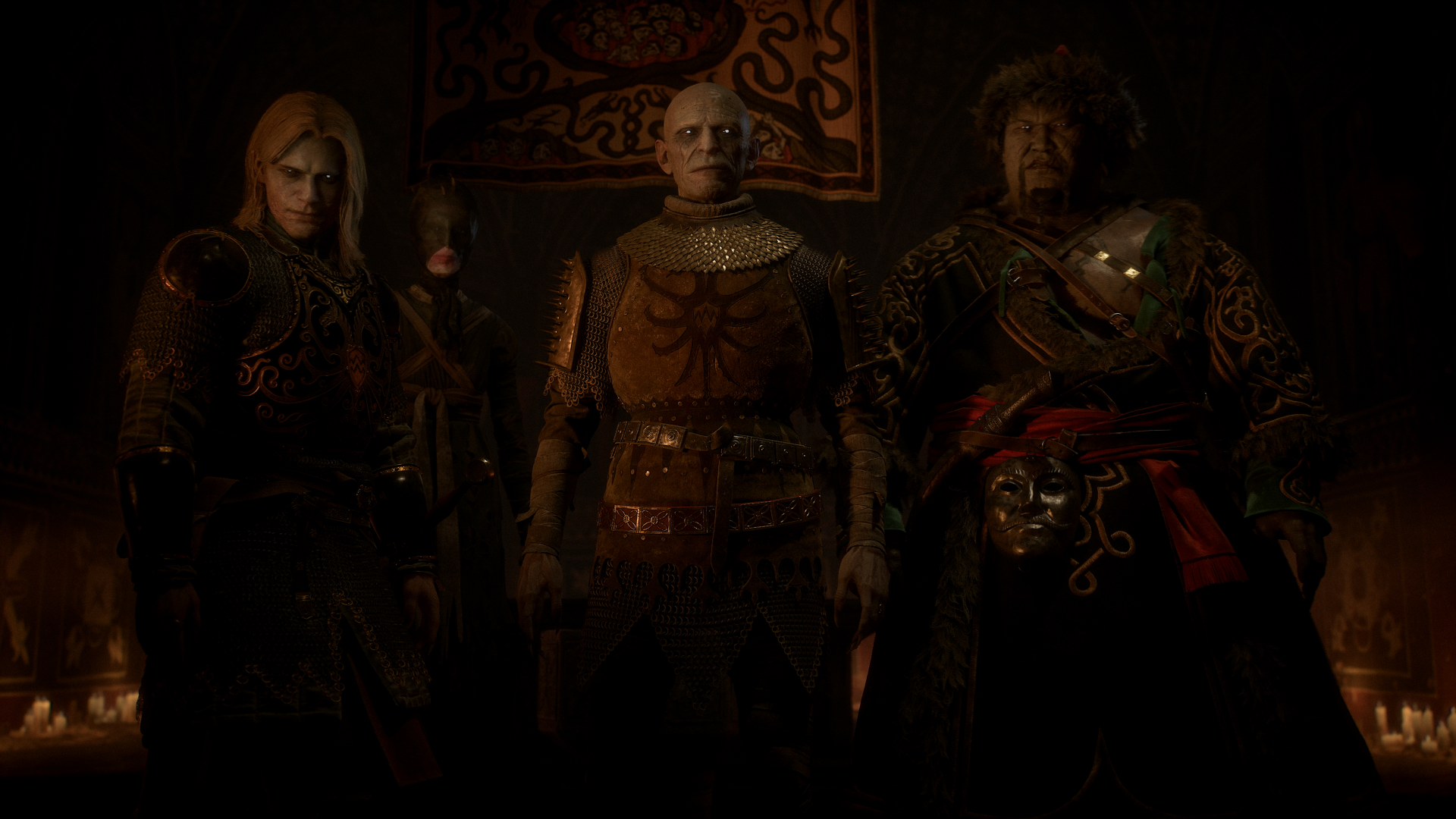
There’s a whole infamy system that seems like it would be a morality thing, but it isn’t. Infamy is what you gain when you do things to disrupt Brencis and the gang’s operations, and he takes notice. Having higher infamy makes things harder for Coen as his army will fight you on-sight at higher levels, as opposed to having a conversation first. While you can look at the court in the menu to see how you’re affecting Brencis, this feedback isn’t reflected well in the game world. There’s an element of the nemesis system from Middle-earth: Shadow of Mordor here, but as you take out these sub-bosses, there are thankfully no replacements. Being able to whittle them down, and outright eliminate them is wholly satisfying.
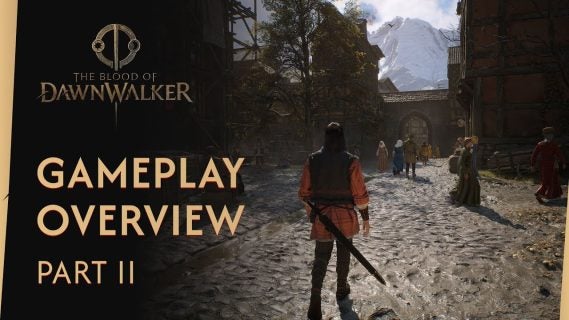
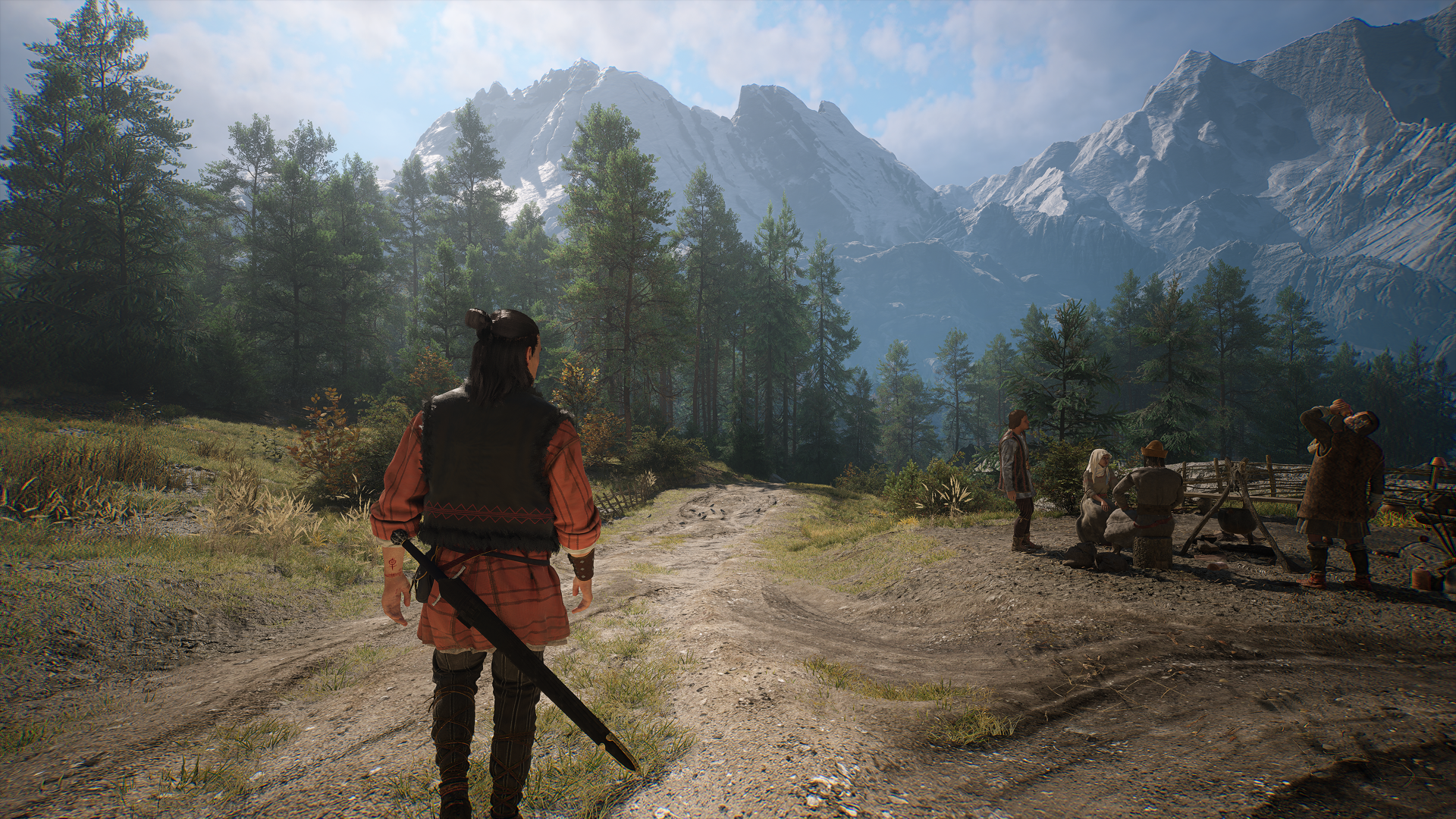
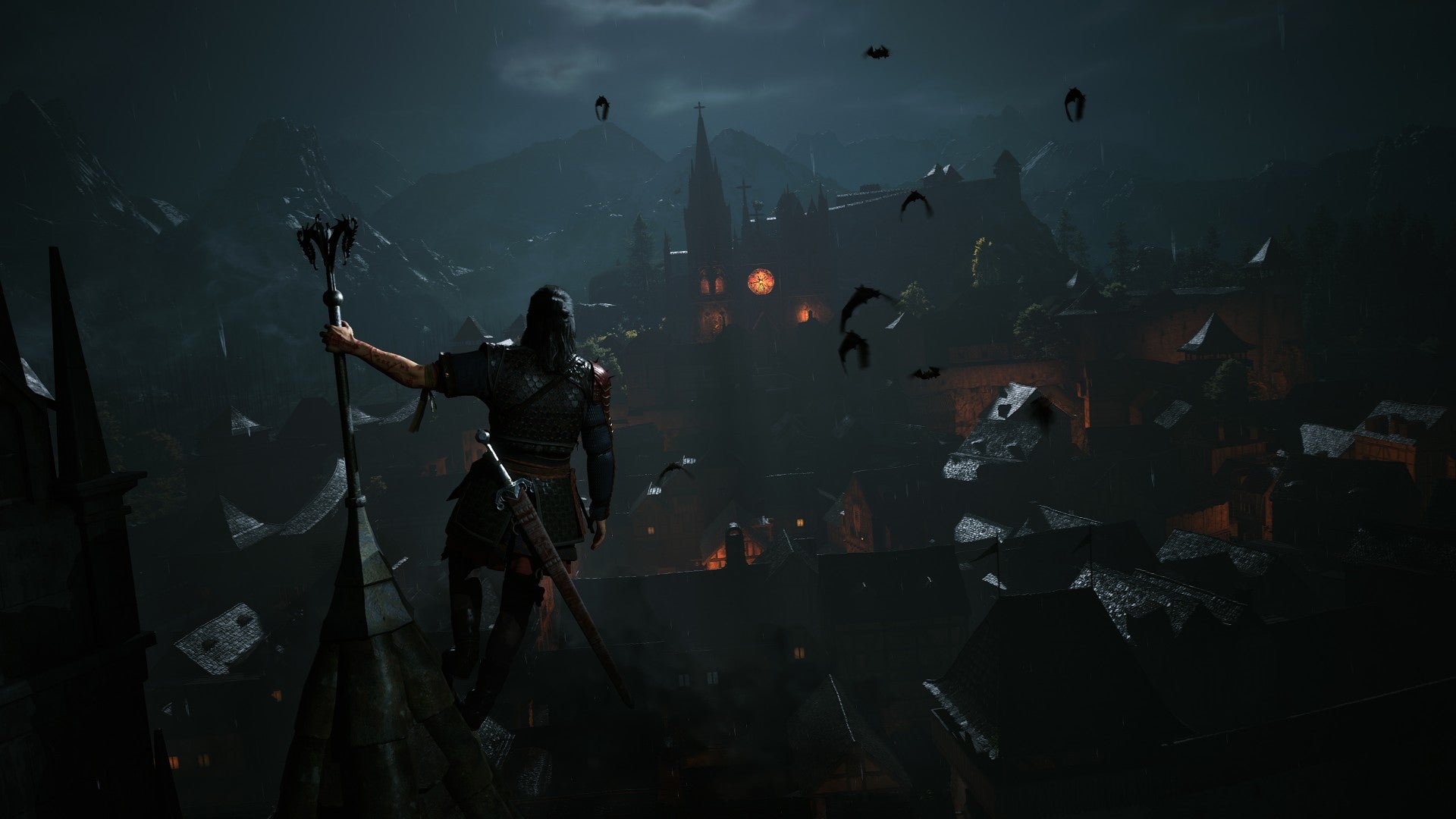
Vale Sangora is a big place, but it’s not overwhelming. It’s a place with dense cities, dead forests, swamps, and really cool locations. Climbing towers is passé at this point, but Coen makes it look cool as it’s something he can only do at night and find points of interest. Exploring and taking on the right quests will result in some really cool loot. It features standard color-coded gear rarities (green, blue, purple, orange), and they drop frequently to feel exciting. The Blood of Dawnwalker is a game I would save scum, as I relied on my quicksaves and manual saves often, if nothing else, to try out different ways to play a mission if things didn’t go the way I liked. It also made it easier to reduce time lost when dying to bosses or random encounters, such as the ones where I’d accidentally kill a human out of hunger.
I feel this is more of an issue with Unreal Engine 5 more than anything, but I do wish Rebel Wolves would’ve been able to optimize The Blood of Dawnwalker a bit better. For the first time in many years, I really had to optimize the game for framerates above 60fps. At first, I could not run the game on Ultra to stay above 60fps even with DLSS set to Balanced and Frame Generation enabled. I actually ended up having to turn off Frame Gen because it kept crashing the game when loading any of my saves. From there, I had to adjust settings based on what our friends at Digital Foundry suggest. Once I had everything dialed in, DLSS set to Balanced, and mostly Medium settings, I achieved an average of 70-80fps for the remainder of the game.
Scott's PC Specs:
◆Linux 7.2.5-1-cachyos
◆Intel Core i9 13900K @ 5.8GHz
◆ASUS ROG RYUJIN II 360 ARGB AIO Liquid CPU Cooler
The Blood of Dawnwalker is not perfect, but it’s a really great RPG you have to play. When the credits roll, it doesn’t demand a replay, you desire it. Bugs and technical issues on PC really hold it back from being more, but it doesn’t stop it from being one of my favorite games of the year. It’s well-written, with an interesting world, and fun systems to sink your teeth into. Rebel Wolves has made a memorable game with a clever use of time, and I’m genuinely excited for the sequels that are already planned. Simply put, The Blood of Dawnwalker has stakes, and unlike vampires, doesn’t suck.
Related
Review Summary
Awesome
A GOG was provided by GOG.COM and a Steam code was provided by the publisher for review purposes.
Simply put, The Blood of Dawnwalker has stakes, and unlike vampires, doesn't suck.