






Truth be told, I haven’t played either of the A Plague Tale games. That’s okay, because this game’s a prequel to those games (15 years prior to be exact), and doesn’t require any previous experience to enjoy. I know this because I loved every second of this game, and couldn’t put it down. That said, having this as my first game in the series gives me a unique perspective for this review. Asobo Studio completely alters the established series formula, and that shift makes Resonance: A Plague Tale Legacy an absolute highlight for the franchise that’s not to be missed.

The game begins with you waking up as a little girl named Sophia. She’s expecting her father’s return home after a long time away. Sophia’s been experiencing visions of an island, the one her father’s been going to. Many men have gone to it, but few return. As it turns out, Sophia’s father is now one of those men. Emboldened by the desire to go to this island, she is trained as a warrior and we get a time jump to where Sophia and her friend Leni take part in a heist that unsurprisingly goes sideways. What unfolds from here is a heart-pumping adventure with blood-spilling combat to make up the game’s two halves. Across thirteen chapters and roughly 20 hours of playtime, this linear adventure takes you to an incredible place with a mythical mystery that you are compelled to uncover to the fullest.
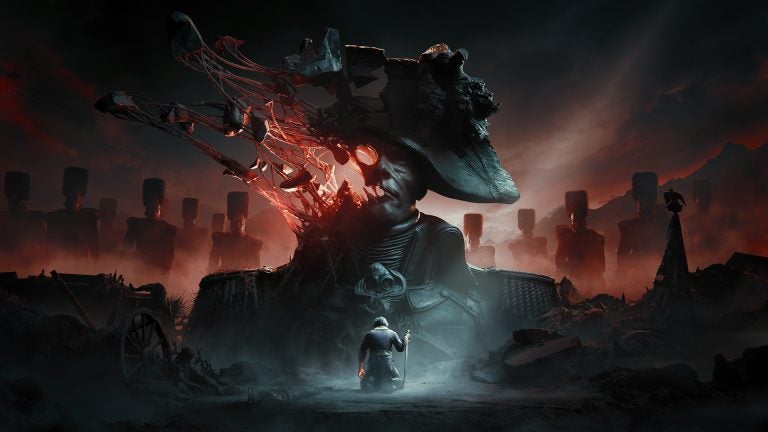
Resonance: A Plague Tale Legacy does so well to build character right from the start. All of the writing feels like these characters are actually talking to each other, not at each other. They interact, they react, and are just so well voiced – I was invested with each cutscene. The game is set in Italy during the Middle Ages, and is just a gorgeous character all its own. Blending real history and fantasy, the game explores the past and present, visiting the mythical Minotaur’s Island an occasionally stepping into the sandals of Theseus. All of it works and is engaging to go on this journey as Sophia to see her beginning.

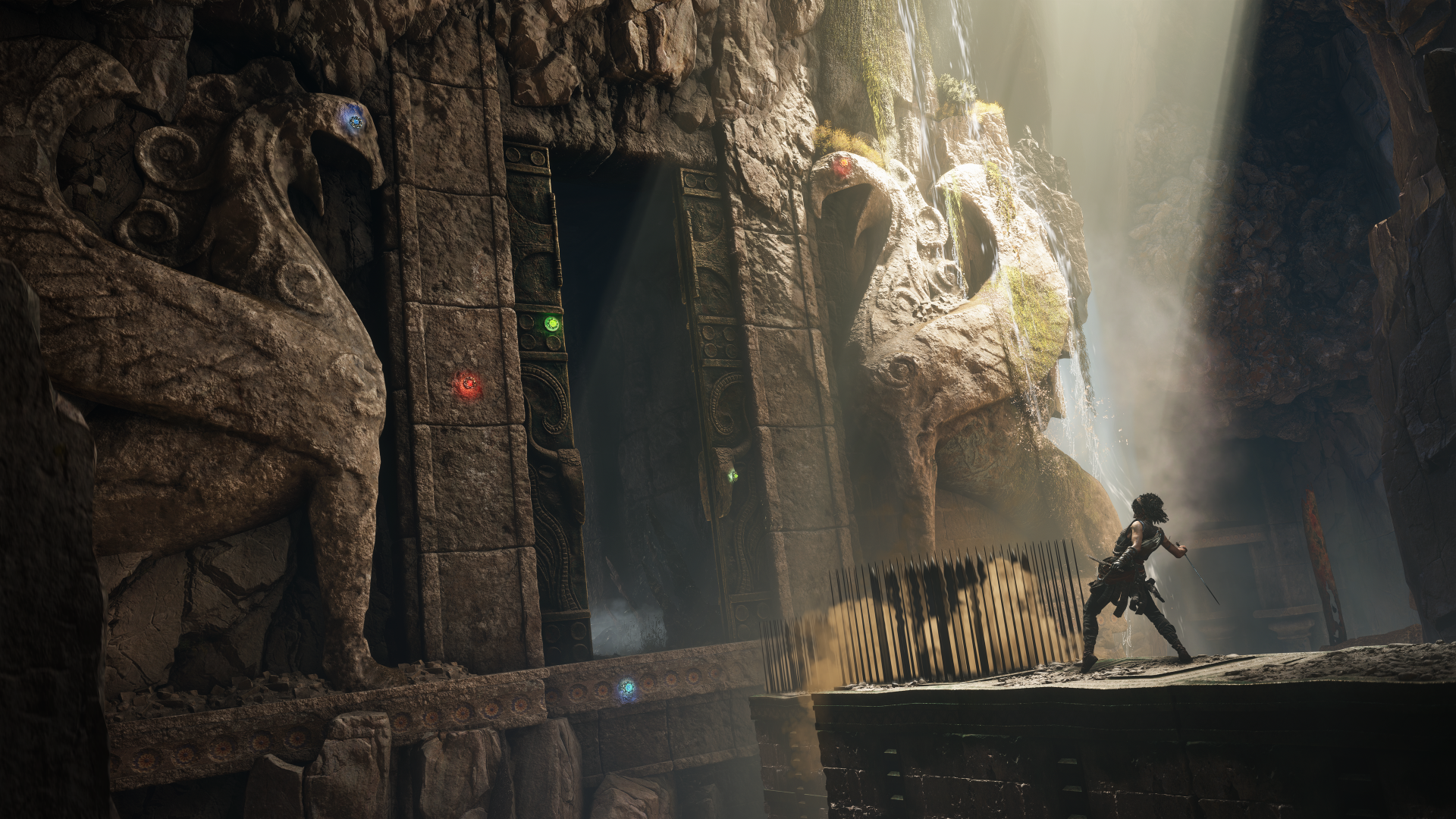
Swapping out the stealth mechanics of the prior games are puzzles and exploration. You’ll take a lot of time soaking in environments, looking at every nook and cranny, and solving various types of puzzles to get to the heart of the island’s secrets. The puzzles, or trials as they are called, are not overly difficult, but challenging in their own right. A lot of them rely on matching symbols, following a light path, redirecting light, and finding the right slot to make sure you don’t get stabbed by a large spike or walls of spikes. Part of the gameplay is relying on a notebook that serves as a subtle hint system that nudges you in the right direction while allowing you the time and space to resolve it on your own. Between the movement, combat, and puzzles, this is very much in the vein of Tomb Raider (2013) yet still sets itself apart from other games in the space and modern techniques.

What unfolds from here is a heart-pumping adventure with blood-spilling combat to make up the game’s two halves.
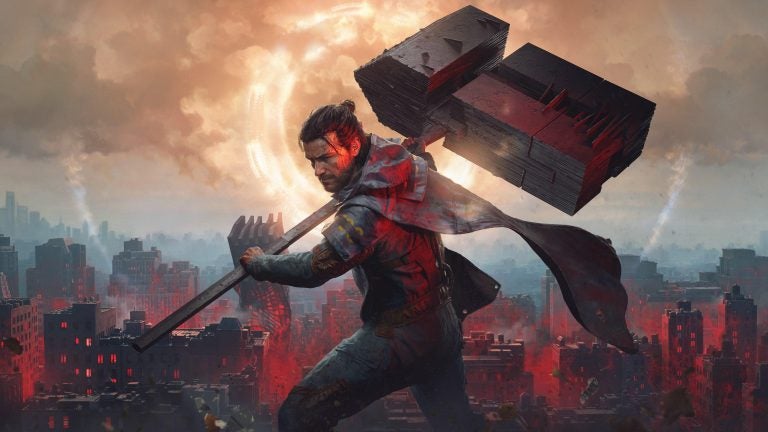
In the prior games, there was combat but it was essentially defensive or diversionary style of fighting. In Resonance: A Plague Tale Legacy, it embraces the combat to be in your face and visceral. It’s great, but best careful, or you could be dead in as soon as three hits. Sophia has a standard of attacks and heavy attacks (charged), but they look so graceful when pulled off. There’s a block that will let you stop all manner of attacks, but if the attack is in red, you must dodge it. Some attacks will be gold, and if parried with the right timing, will stun your enemy and allow you to get the killing blow or do serious damage to bring them closer to death. There’s no stamina meter, so Sophia can dodge constantly and block as much as she wants, but there’s still thought and tactics that should be taken into consideration. Killing an enemy will also recover a pip of health for Sophia, as she will not recover health any other way, this ensures that you stay involved in every encounter. Every attack by you and your enemies looks and feels deliberate, and impactful. This type of combat in a game has been seen elsewhere, but here it’s so intuitive and cinematic to see it in motion. And while it’s not the best combat system, it’s a really good one. Resonance: A Plague Tale Legacy has a nice split down the middle of exploration and combat to engage in, where the pace feels constantly moving forward and you’re not getting fatigued with either.

The main way to upgrade and improve Sophia’s skills are with resonance points. These are a currency that are found in the world through exploring every square inch available to you, or as simply as completing combat encounters and getting them as a reward. To unlock skill sets, you must accrue ten resonance points. You aren’t limited to what you want to invest in, so you can purchase skills where the second dodge covers more ground and makes you partially invulnerable, or doubling the stun damage after a successfully timed parry. Each skill set has two masteries that also costs ten points, but will pose a massive bonus of effectiveness or new twist on the skill. With both getting unlocked, you can swap these at-will. There’s lots of room to improve and experiment, as you can refund your points anytime you wish. Though you really need to make sure you’re looking everywhere, because there’s 200 total points of resonance across the entire game.
Blades are found just by playing, and they put forth unique traits like the last hit of a combo inflicts stun, or dealing bonus damage after a successful critical strike. Lastly, charms are just little percentage modifiers of luck that might happen during combat. For instance, there’s one that offers a slight chance Sophia doesn’t die from what would be a fatal hit, or increasing more damage with a critical strike. Together, all of these systems come together where you’ll have varied builds between you and your friends for the early to mid-game, and if you’ve done everything, will have it all maxed out by the end.

Sophia’s best way of traversing through these grandiose areas is with her grapnel. It is a multi-faceted tool, allowing you to climb vertical services, take ziplines, tug at enemies on your level to knock them off-kilter, or pull archers from their perches to their doom. There’s a lot of sliding in-between tight spaces in this game, and while it’s become such a trope, it makes a lot of sense here.
Exploration is almost always rewarded. If you aren’t finding resonance points, then you’re finding artefacts, the game’s collectibles which just serve as lore and world-building elements. Even exploring has a sense of tension as there’s the subtle threat of getting caught by your pursuers, so you always feel like you have to keep moving. Oddly, for a game with so much water in it, there’s no swimming to be had for Sophia. Thankfully there’s some generous checkpointing to put you back to where you were, and same goes for any situation with a poorly made jump, or a death during combat.

This game is incredibly gorgeous with attention to detail, and clear imagery. Everything in the world is purposely placed, and belonging. The game’s use of baked lighting is an incredible asset in making the world so believeable, it looks and plays how all games should. With DLSS Super Resolution set to Quality (Native AA) and Frame Generation on and set to 2X, I was getting an average of 110fps, with some interior locations going between 120-130fps. And this is with the graphics preset mostly Ultra, switched to Custom just to disable motion blur. Asobo Studio’s in-house Zouna engine is incredibly impressive and performant.
Scott's PC Specs:
Linux 7.2.0-1-cachyosIntel Core i9 13900K @ 5.8GHzASUS ROG RYUJIN II 360 ARGB AIO Liquid CPU CoolerG.SKILL TRIDENT Z5 6000MHZ 64GB (32×2) DDR5 RAMASUS ROG Strix GeForce RTX 4080 16GB GDDR6XWD_BLACK SN850X M.2 (8 TB)LG UltraGear 34GP950B-G (21:9 Ultrawide @ 3440×1440)

Asobo Studio’s penchant for story-driven games built around immersion, atmosphere, and strong visual spectacle is ever present here. Resonance: A Plague Tale Legacy stands on its own with a story that’s incredibly well-written realized, and characters that are interesting. Asobo Studios embracing combat this time around is the best move, with it being so varied and customizable. Exploration is top-notch, and while the puzzles aren’t head-scratchers, they do get your hamster in the wheel turning. The visuals are outstanding, and best in-class. While it works really well as a standalone introduction, fans of A Plague Tale will appreciate the seeds it plants. Resonance: A Plague Tale Legacy is an exceptional prequel, and an essential gaming experience this year.