
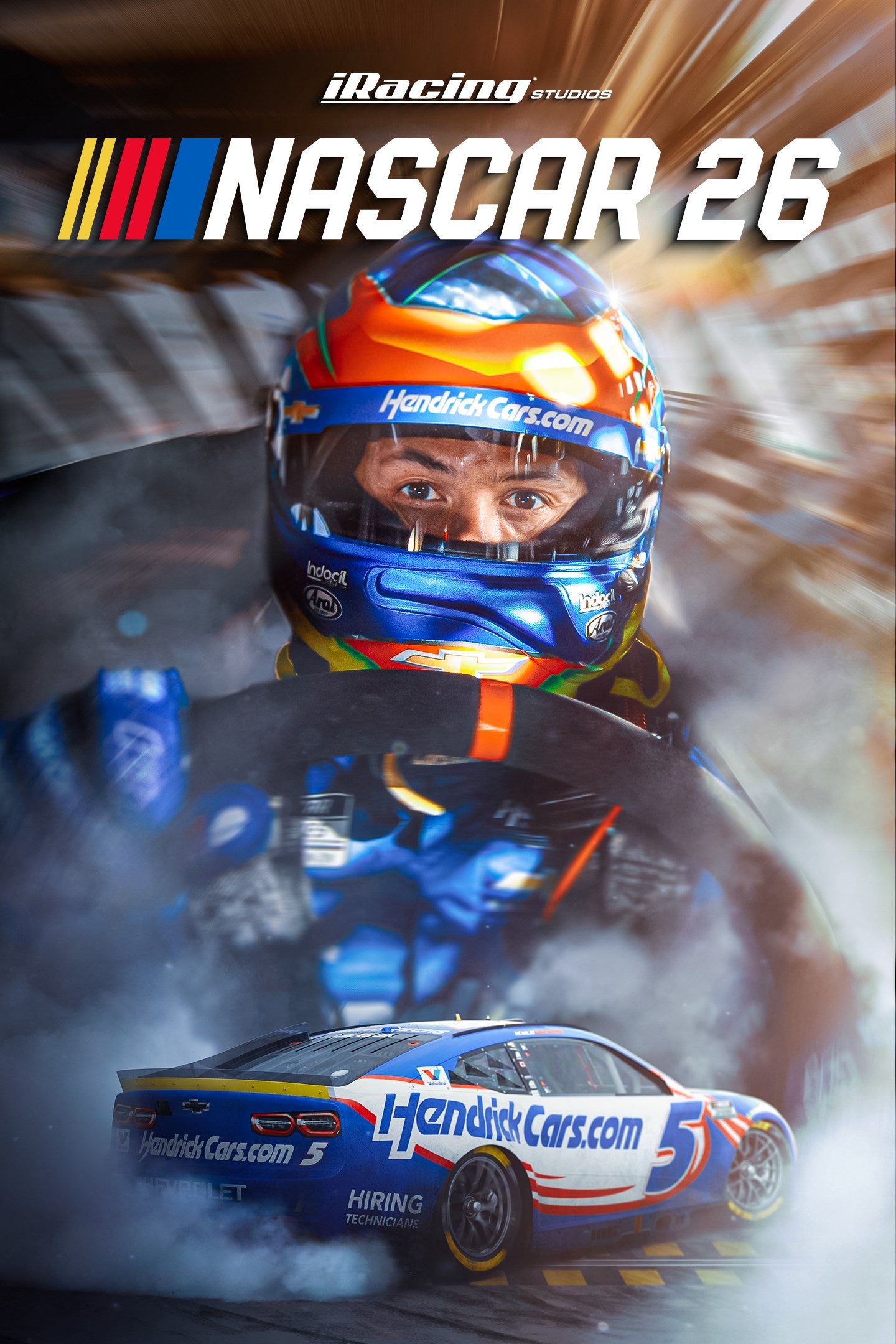

iRacing Studios found early success with NASCAR 25. It gave the franchise an excellent foundation to build on. Most importantly, the developers got the racing right, establishing the core of the experience with solid handling and good racing. With that groundwork in place, I expected NASCAR 26 to take some major strides and expand. Unfortunately, while the sequel does introduce a slight handful of new features and improvements, it ultimately feels like a missed opportunity. There was plenty of potential here to push the series forward, but NASCAR 26 didn’t run the lap I was hoping to see.
The four major NASCAR series return in NASCAR 26, with the Cup Series, O’Reilly Series, Truck Series, and ARCA Menards Series all represented. The expected Career, Single Race, and multiplayer options are here, and players can even jump straight into the Chase for the Cup, because apparently NASCAR decided to bring that nonsense back this year. Considering iRacing Studios already had the physics and on-track racing in a good place, I was hoping the sequel would address some of the features the previous game was missing, such as multiplayer or online championships. Unfortunately, neither makes the cut. There is a new training ground called Peak Performance, where FMV experts attempt to teach you how to tackle different tracks, but I’ll get into that more later. Beyond that, players can also jump into a Championship scenario and race through a season without committing to a full Career.
As I previously mentioned, there really isn’t anything dramatically new when it comes to the physics or the racing itself. It’s still as solid and fun as NASCAR 25 was. I will say, however, that it took me much longer to dial in the settings for using a DualSense controller this year. I’m not sure what changed, but the car just never felt quite right. It’s certainly driveable, but the handling felt too twitchy, and I found myself locking up the brakes far too easily no matter how much I adjusted the sliders. But let’s get into what I consider the meat and potatoes of any racing game: Career Mode. On paper, Career Mode is considered improved, but I’m not sure there’s enough here to confidently make that claim. Players start out in ARCA and have to strategically spend their earned Work Points on repairs for the body, engine, chassis, and suspension. It’s the same system we had last year, and unfortunately, I have the same gripe with it this year. You can only work on one set of parts at a time, meaning if I want to repair the body on my car and also repair a spare body sitting in my inventory, I’m out of luck. The easiest way to get around the system is to simply use Auto Assign and spend money on new parts, which makes the whole process feel more restrictive than strategic. One genuinely welcome addition is the ability to upgrade your facilities. There’s a primitive upgrade tree that lets you unlock perks to improve your shop and race team, including new hires, better sponsorship opportunities, and other useful bonuses. Unfortunately, there are only four unlocks available per series, so there isn’t much depth to the system yet. Maybe we’ll see that expanded in NASCAR 27. Speaking of sponsors, though, I have to question, why are we still limited to signing just one? NASCAR is practically built around product placement and corporate sponsorship, so why can’t we have secondary sponsors or companies occupying spots on the rear bumper? You can change the logo design for your signed sponsor if they offer multiple options, but you can’t have two separate corporations backing your team. Is this a rights issue with the products being advertised? JEGS doesn’t want to share space with Safety Kleen or something? And while we’re talking about the team presentation, why can’t we create our own hauler designs or at least choose from a selection of premade options? These may seem like small details, but they’re the kinds of features that could make Career Mode feel much more like running your own NASCAR team rather than simply progressing through a series of races.
Within Career Mode, you’ll occasionally run into FMV segments featuring Dale Jr. and his podcast, along with another group of three podcasters that I didn’t recognize. You’ll also get training sessions from Steve Letarte and Jamie McMurray, which serves as a preview of what to expect from the Peak Performance mode I mentioned earlier. Letarte provides insight into how to approach a track, while McMurray takes players onto the track itself and walks them through what a fast lap should be. For each track, McMurray explains when to accelerate, when to lift off the throttle, and when to brake, and he’ll even let you know if you were early or late with your inputs. Timing indicators pop up throughout the session, and you can turn on a racing line to help visualize your entry and exit points. The problem is that the racing line isn’t adaptive. If you’ve ever played a Forza Horizon game and used its racing or braking line, you know it adjusts based on your speed, giving you a much better idea of when you actually need to brake or turn. NASCAR 26’s doesn’t. That creates a strange training experience where McMurray can tell you when to get off the gas or hit the brakes, but he doesn’t really explain whether you applied too much or too little input, too quickly or too slowly. Since the racing line remains fixed regardless of your speed, you can hit all of the suggested marks and still not necessarily be getting any faster. In fact, I was able to ignore the instructions entirely, run my own line, and consistently produce faster laps than the ones I was being taught. The idea behind Peak Performance is a good one, but if this mode returns next year, I’d like to see the racing line adapt to your speed and the coaching provide more useful feedback on exactly how much throttle or brake you’re applying. Otherwise, it feels less like learning how to become a faster driver and more like learning how to follow a set of instructions.
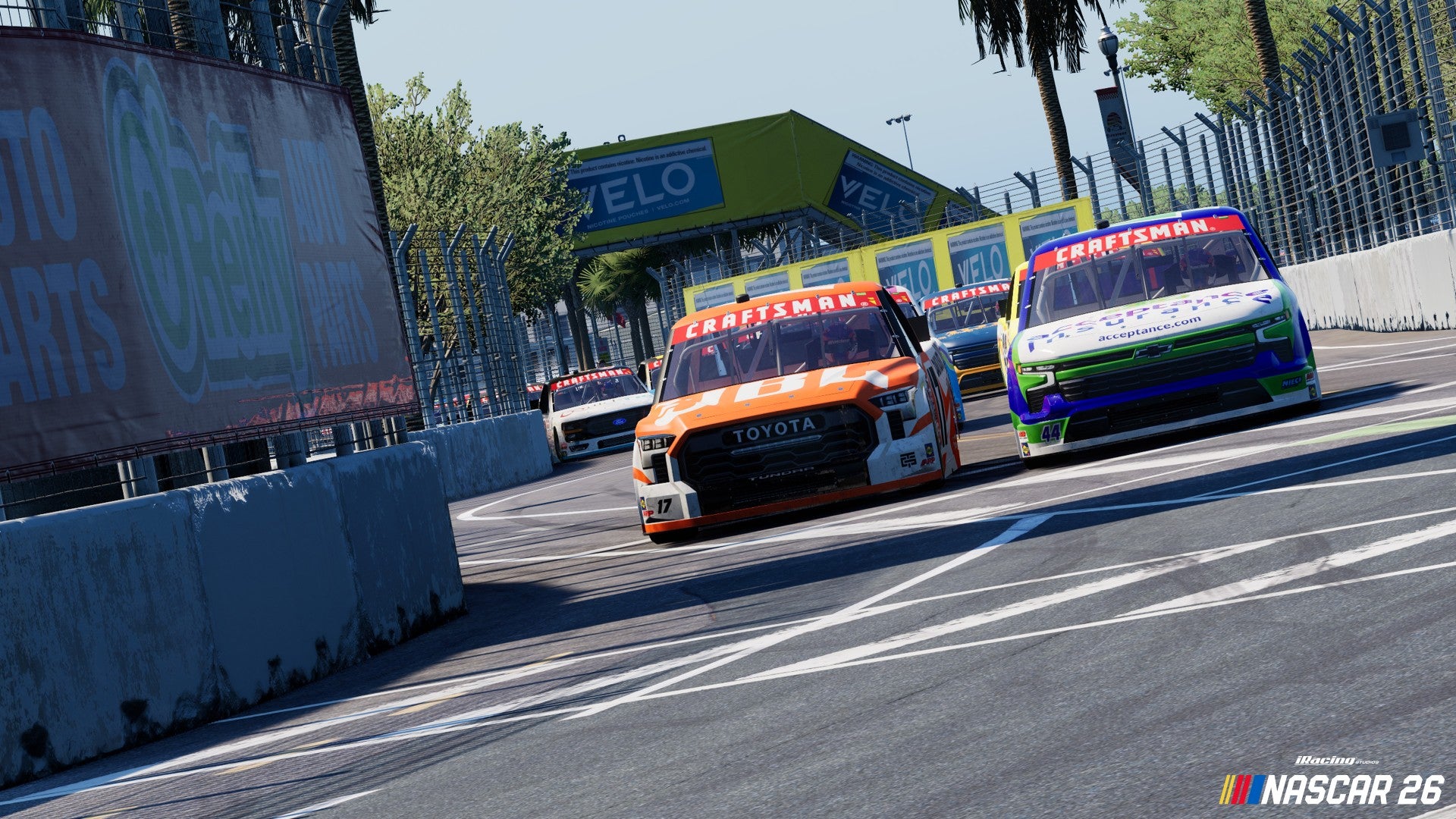
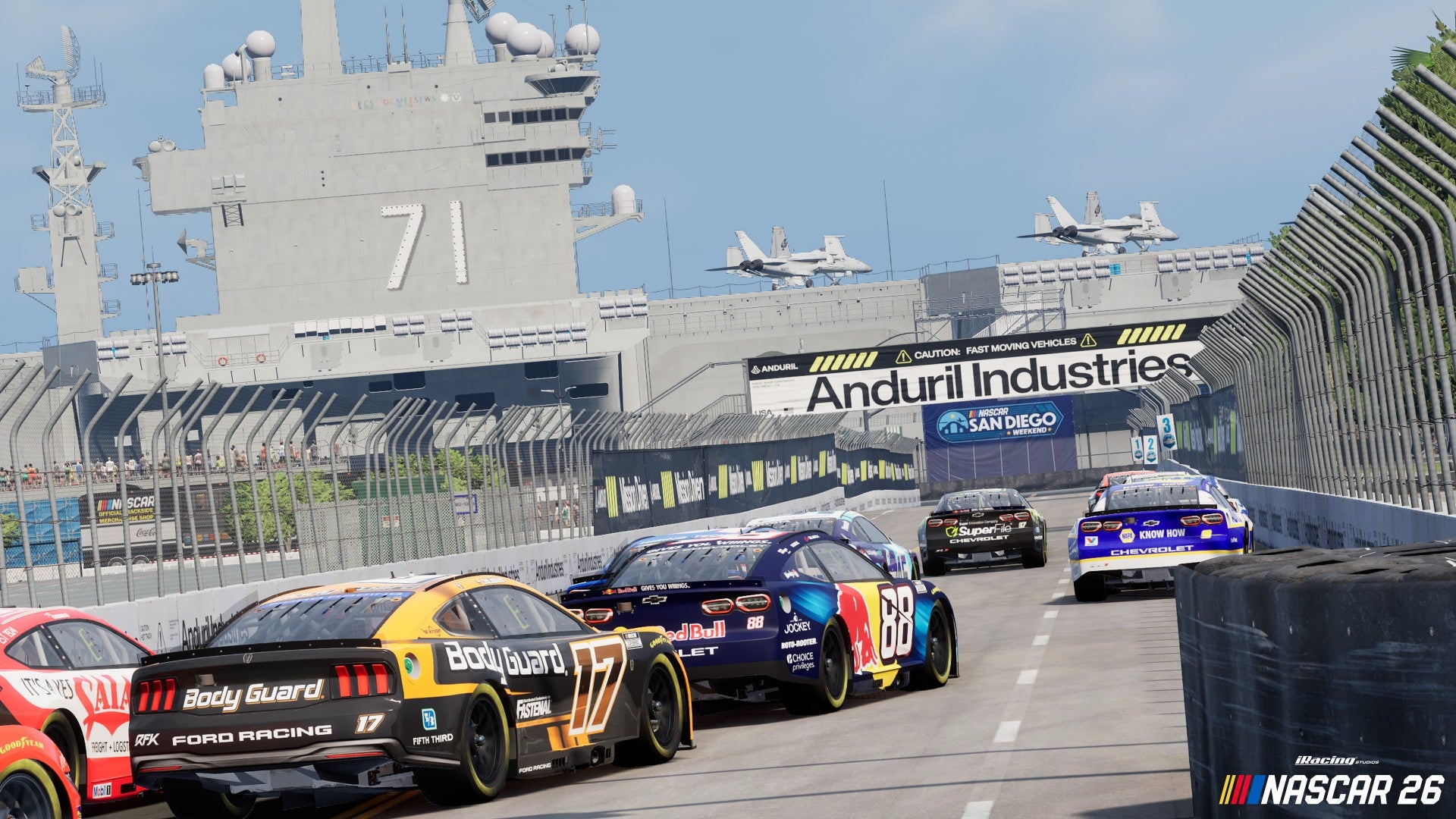
Some of the other new features iRacing Studios added this year include burnout celebrations, the new Ram truck in the Truck Series, and three new tracks added to the calendar: San Diego, Chicagoland, and St. Petersburg. There’s also a trophy room where you can showcase your Career Mode accomplishments. Unfortunately, none of these additions really give NASCAR 26 much of a spark. They feel more like extra fluff than meaningful additions to the overall experience. The NASCAR podcast videos are neat in concept, but they ultimately serve very little purpose because they aren’t really focused on you or what’s happening in your career. They’ll occasionally reference key moments in your journey, but the commentary remains generic. At one point, a podcast segment started discussing teamwork and sharing information between team cars, and I actually got excited because I thought this might finally mean we could field multiple cars or share information with a second team. Nope. That isn’t an option. Why can’t I hire a driver for a second car? Why can’t I hire someone to run for me in one of the lower-tier series? Why can’t I simply own a team and hire drivers to race for me? The lack of these options becomes even more frustrating when the game’s own podcast is talking up the importance of teamwork, only for that concept to mean absolutely nothing to your career when there’s no way to actually share information, notes, or resources with another team. There’s also no real rival system, so AI drivers don’t seem to retaliate against you, remember incidents caused by you or other drivers, or even acknowledge you in any meaningful way. They might throw out a silly social media comment after a race, but that’s about as far as it goes, and once again, it feels like fluff. Honestly, if iRacing Studios isn’t going to hunker down and really innovate Career Mode, and instead continues adding just enough each year to say it’s improved, I worry this series is going to get swallowed up by the endless cycle of yearly releases. At this point, I’d almost rather see a NASCAR game released every other year, giving the developers time to make substantial improvements to Career Mode, while a smaller team handles updated paint schemes, rosters, and driver rotations as DLC in between releases. That would do far more for the long-term health of the series than another yearly installment filled with small additions that never address a bigger picture.
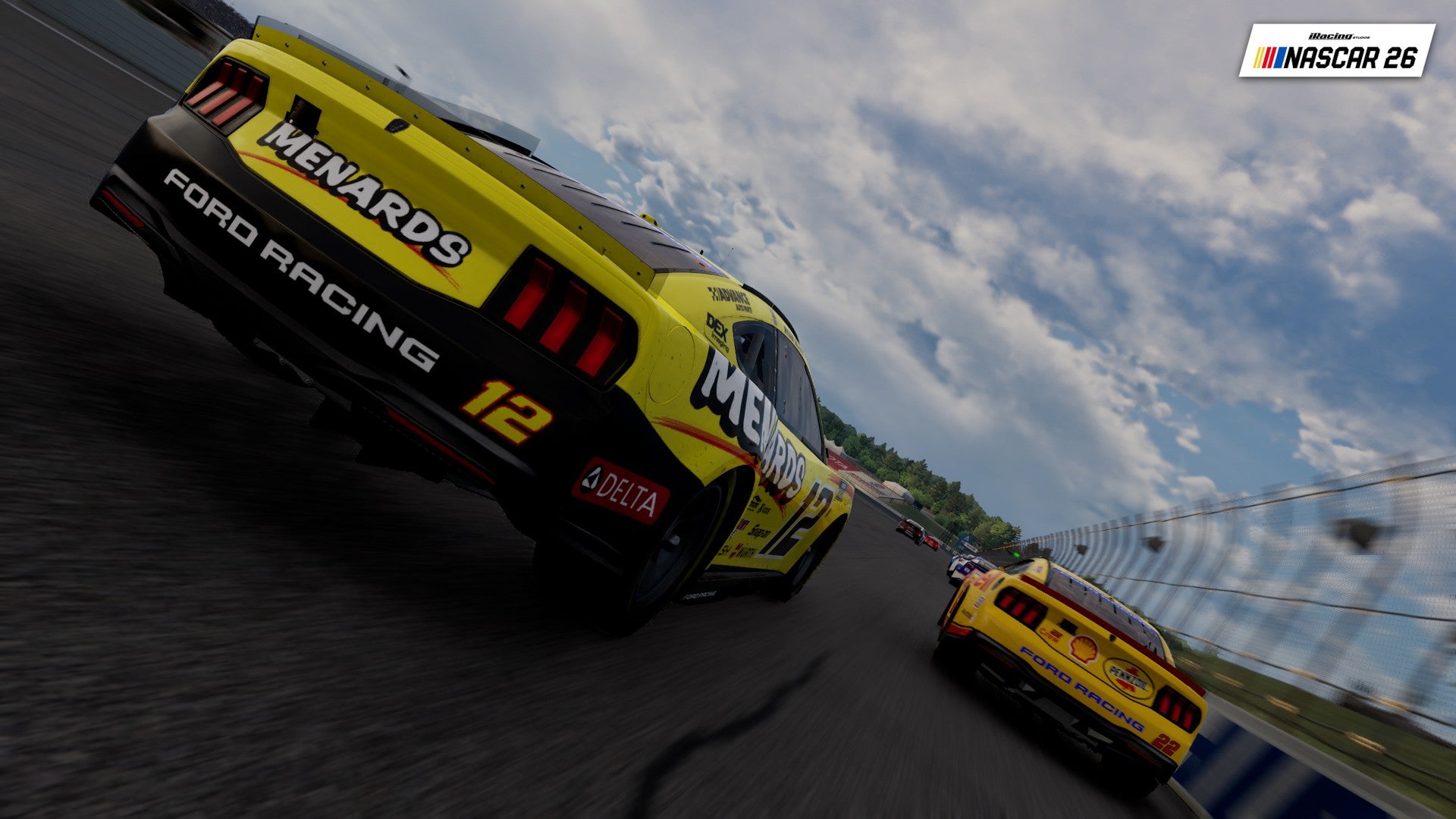
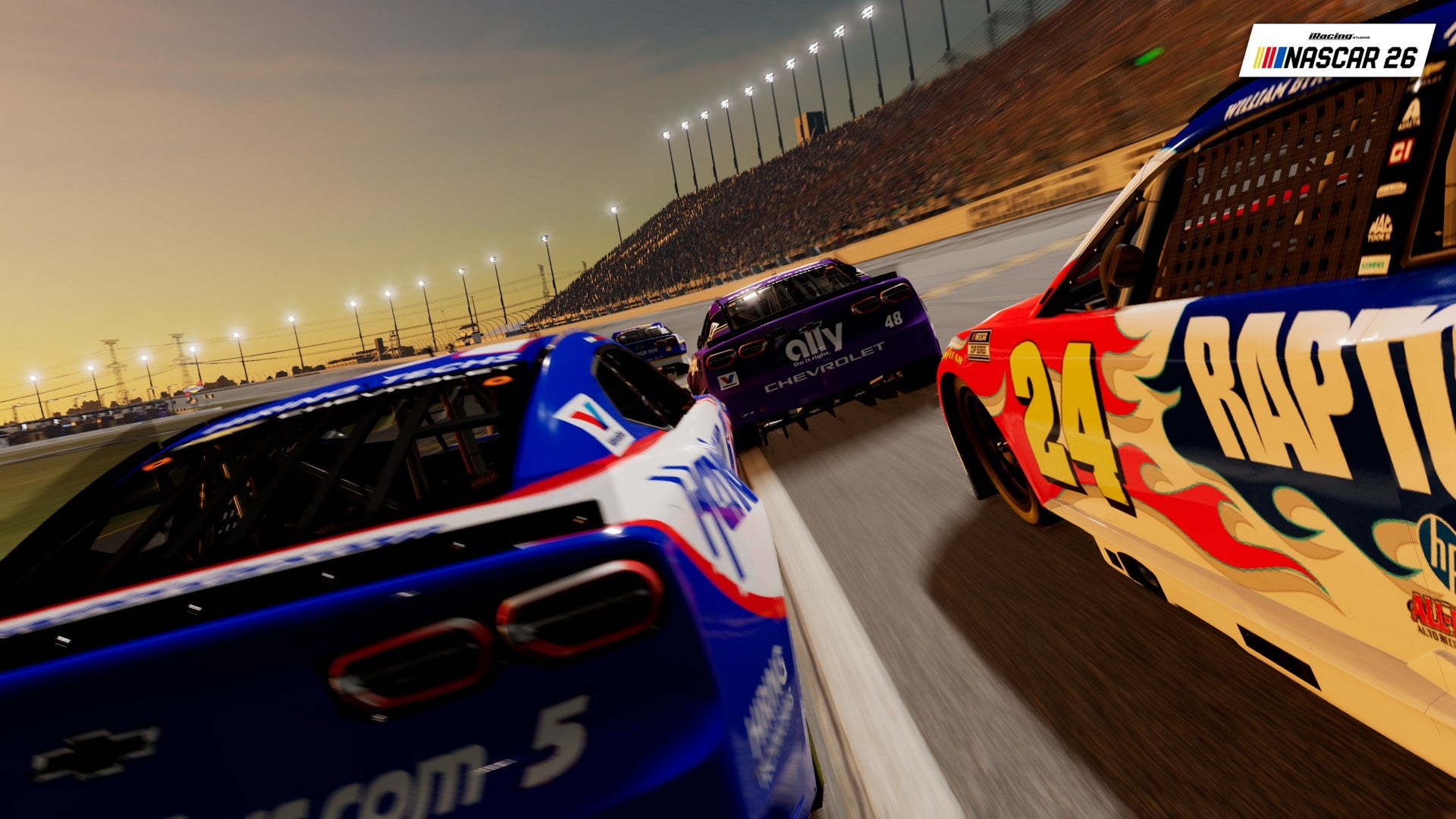
When it comes to the visuals, iRacing Studios has given NASCAR 26 a modest touch-up. The biggest improvement comes from the addition of dynamic lighting, which can create some genuinely beautiful races depending on the time of day. Watching the sun move across your car or racing under the lights gives certain races a much better atmosphere, and the lighting can make familiar tracks feel a little different depending on the time of year. There’s also a new particle system that improves smoke, debris, and other effects during races. It’s not a massive visual overhaul, but these additions help give NASCAR 26 a cleaner and more polished presentation, particularly when things get messy on the track.
This year’s release really feels like iRacing Studios playing it safe. The slightly updated Career Mode moves in the right direction, but the lack of any serious additions or meaningful changes is ultimately the game’s biggest downfall. The racing itself remains solid, even if the AI drivers still don’t do much to retaliate, interact with you, or make the experience feel more dynamic. When you put everything together, most of what NASCAR 26 brings to the table amounts to surface-level changes rather than the kind of improvements that make a sequel feel necessary. I still enjoyed my time behind the wheel, and there’s nothing fundamentally wrong with the game, but that’s also the problem: NASCAR 25 is already available, and it delivers much of the same experience when you get on the track. So if you already own last year’s game, what’s really here to make you upgrade?