
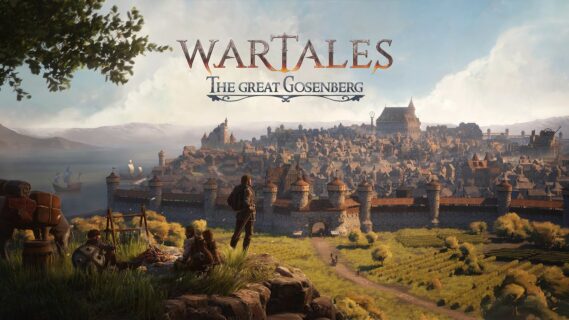
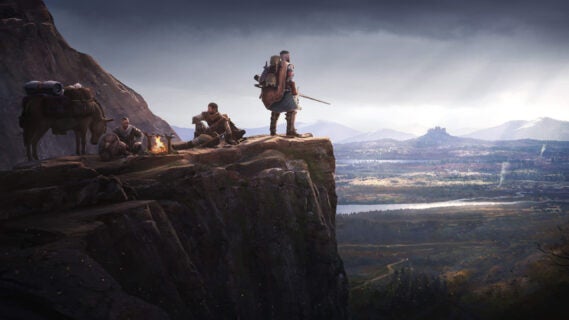
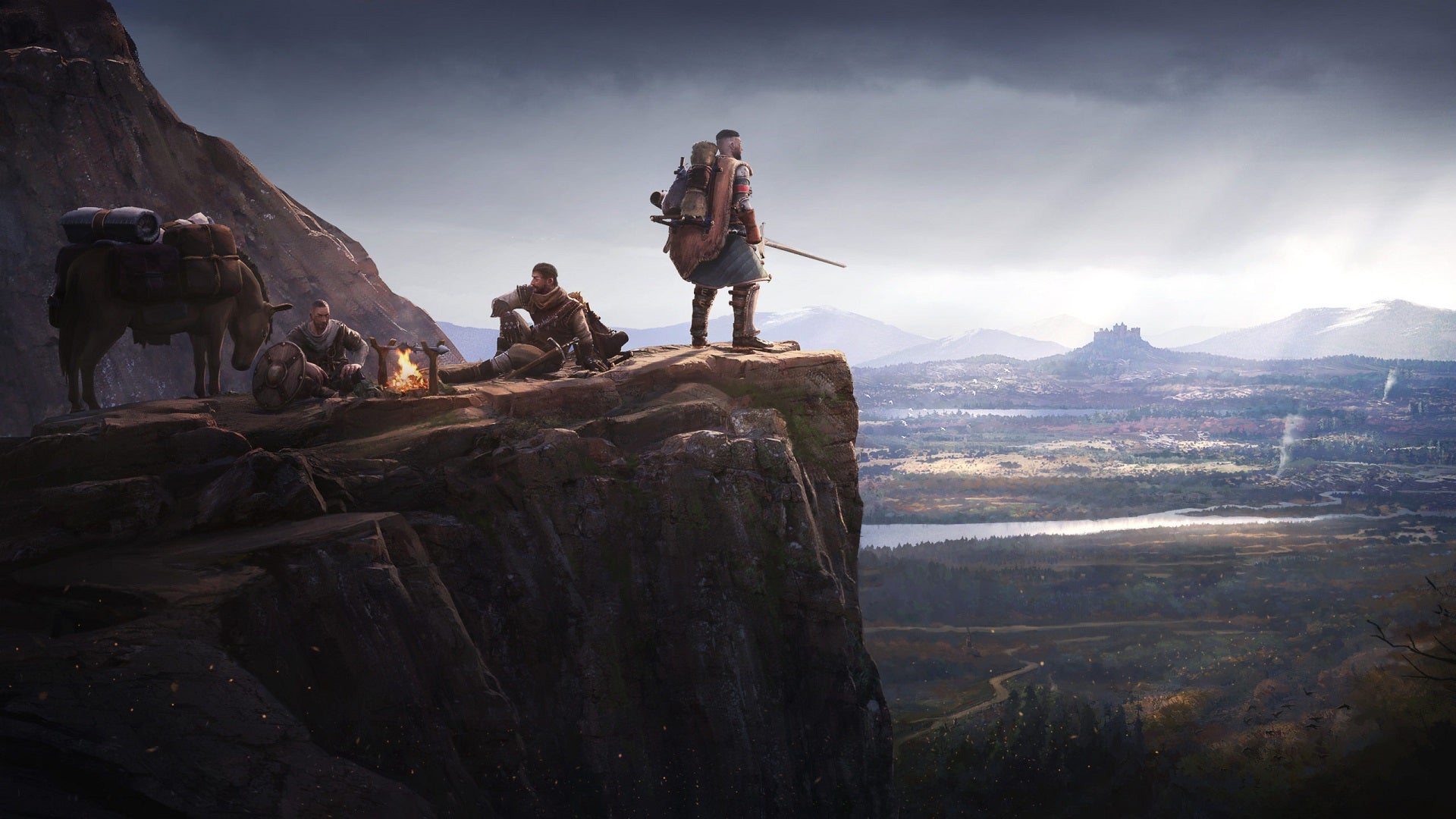

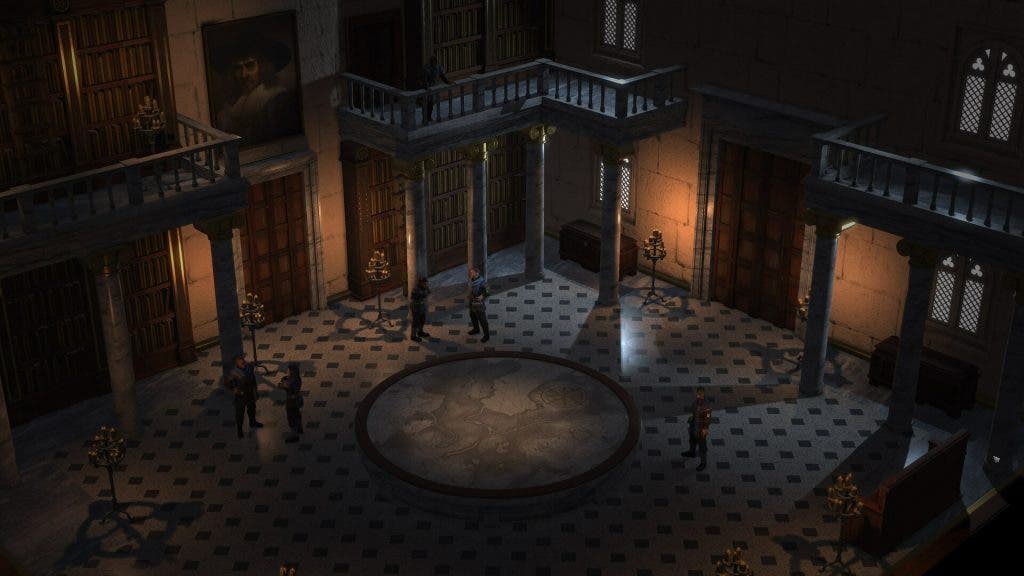
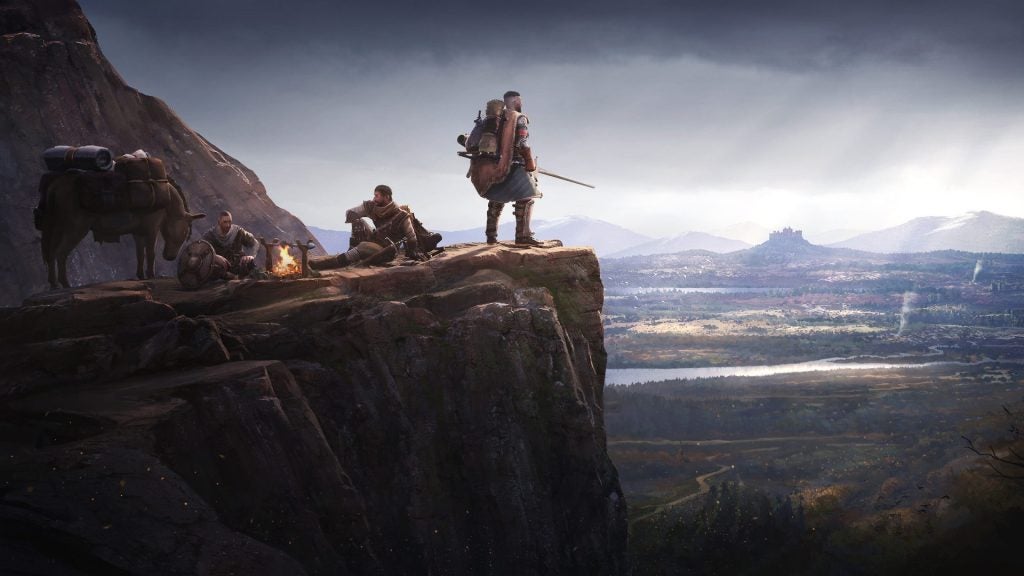

Wartales is an RPG set in a medieval low fantasy open-world from developer Shiro Games that is continually impressive. The world is expansive, the characters and quests are interesting, and you’re writing your own story as you go along. This actually reminds me of Battle Brothers , only in 3D, in that there are quests that have an affect on the region with their own storylines as you control a band of mercenaries. I also find it to be comparable to something like Heroes of Might and Magic , because of the way you across the overworld map in real-time and have to manage your resources carefully – the marriage of these two styles of games is beautiful and one to remember. Wartales is excellent at letting you author the story you want to tell, and allowing you to discover things at your own pace for an immersive and satisfying open-world RPG.
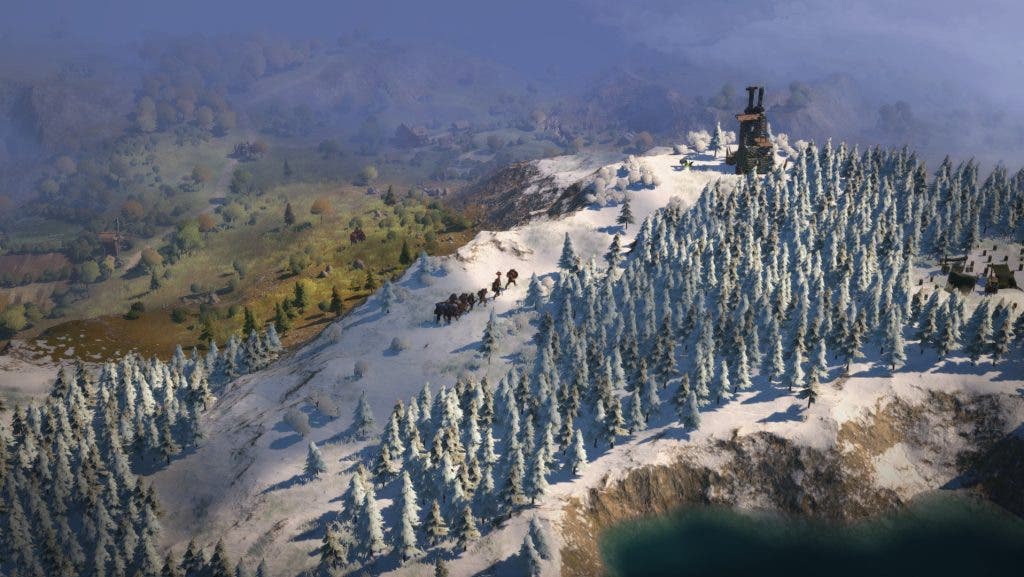
Wartales opens to not much in the way of story, but it’s been one-hundred years after the fall of the empire. As a result, bandits, mercenaries, and thieves have run rampant, and what’s left of order is the kingdom trying to maintain it. Before you starting, you’re presented with a series of options around the difficulty of the game, from combat to exploration. This game can be pretty challenging on its default difficulty, but you can adjust what you want, when you want. Next, you decide whether the game will scale with you, or be region locked to specific difficulties – I chose “Region-locked Exploration” as have been satisfied with this. From here you’re brought to the customization screen where you can make your band of mercenaries the way you like, or let them be randomly generated. After this, the games shoves you into its open-world without a beacon to guide you. It can be overwhelming at first, but it sets the tone for the game and is really the best thing about it. It’s all about discovery and exploration as you happen upon mines, camps, abandoned towers, farms, and the like. You just see where the road takes you, and follow the path in hopes of helping someone in need or destroying the last bastion of the empire; where you’ll either choose a side, or play both.
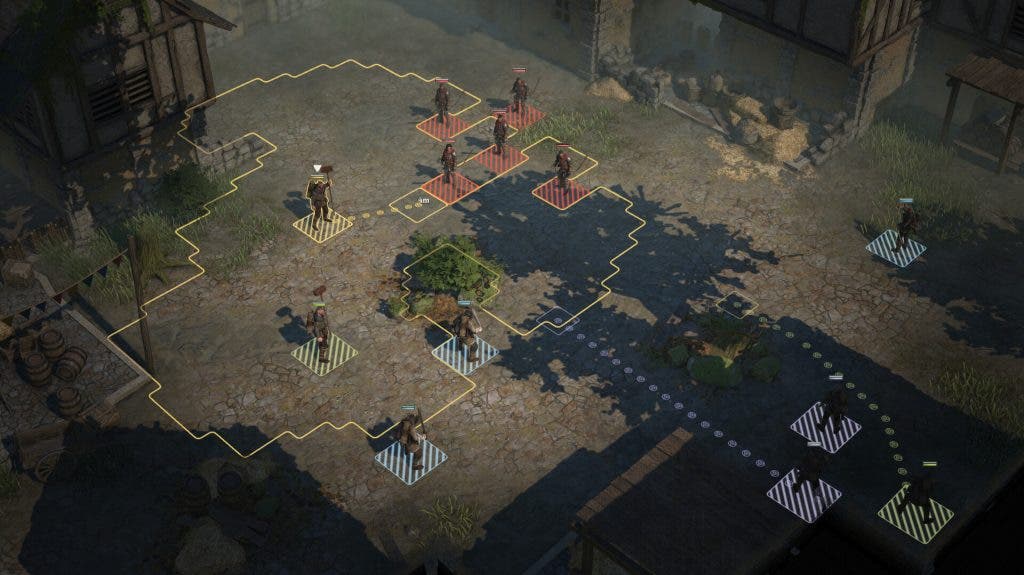
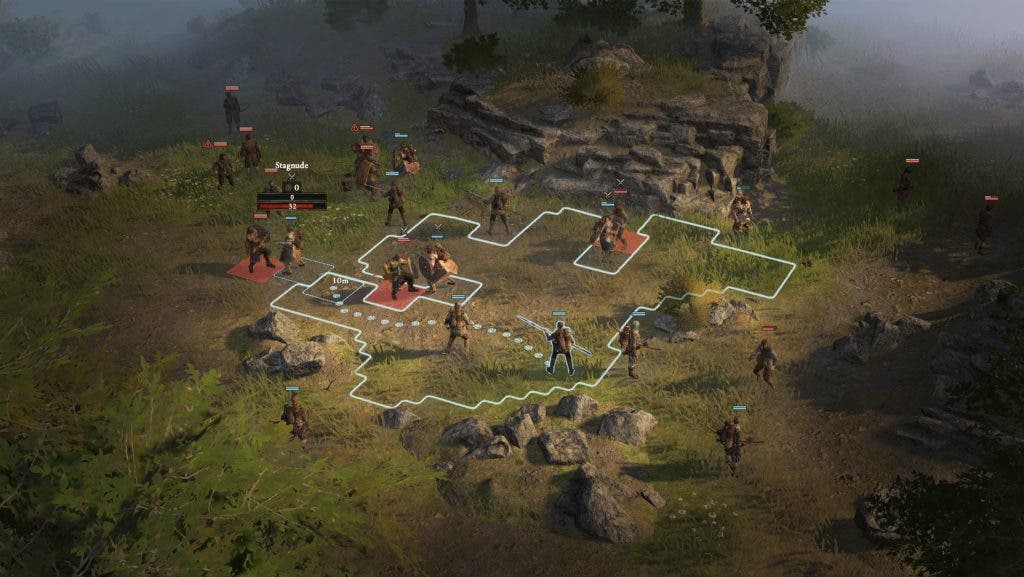
In the overworld, you’ll move in real-time with all the members of your party, picking up resources and uncovering the fog of war that represents your knowledge of the area. Getting into combat is a highlight, as you’re transported to a grid-based arena where you’ll utilize turn-based tactics. You’ll first place all your units into your desired starting positions, and from there initiate moves and/or attacks. Given the nature of the setting, you’ll more than often not fight humans or animals, though you might have to engage in battle with infected rats. For instance, I came upon a huge rat infestation that was near a border crossing and even forced me to kill a nearby farmer who became infected via a bite. Through this battle, I was consistently swarmed by new rats during every round, as the rat would belt out a roar that would summon more to fight by its side. As I got surrounded by now dozens of rats, I knew our team’s fate was sealed, but it didn’t stop me fighting the broodmother until the bitter end. You do have the option to flee and retreat from a fight you cannot win, with some minimal losses, which far outweighs the death of a companion. Fights in Wartales can be really epic and exhausting, and utterly thrilling. Friendly fire is enabled, so it is possible to inadvertently damage members of your team with sweeping attacks or an errant arrow. Melee hits are guaranteed to hit 100% of the time, whereas shots from a bow have a chance to miss, and it’s something I can appreciate and is rooted in reality. If members of your party take too much damage, they’ll enter a “dying” state where they can no longer attack but can still be revived. They’ll have to be picked up by a member with an ability to do so. If not, they’ll have to be kept from harm, otherwise they can die permanently once they’re attacked again. Now if you’ve got a companion in a state of dying, and you defeat all the enemies, then they’ll all be revived immediately at the completion of the fight. It’s here where you’ll want to camp for the night after an exhausting day of traveling and fighting.
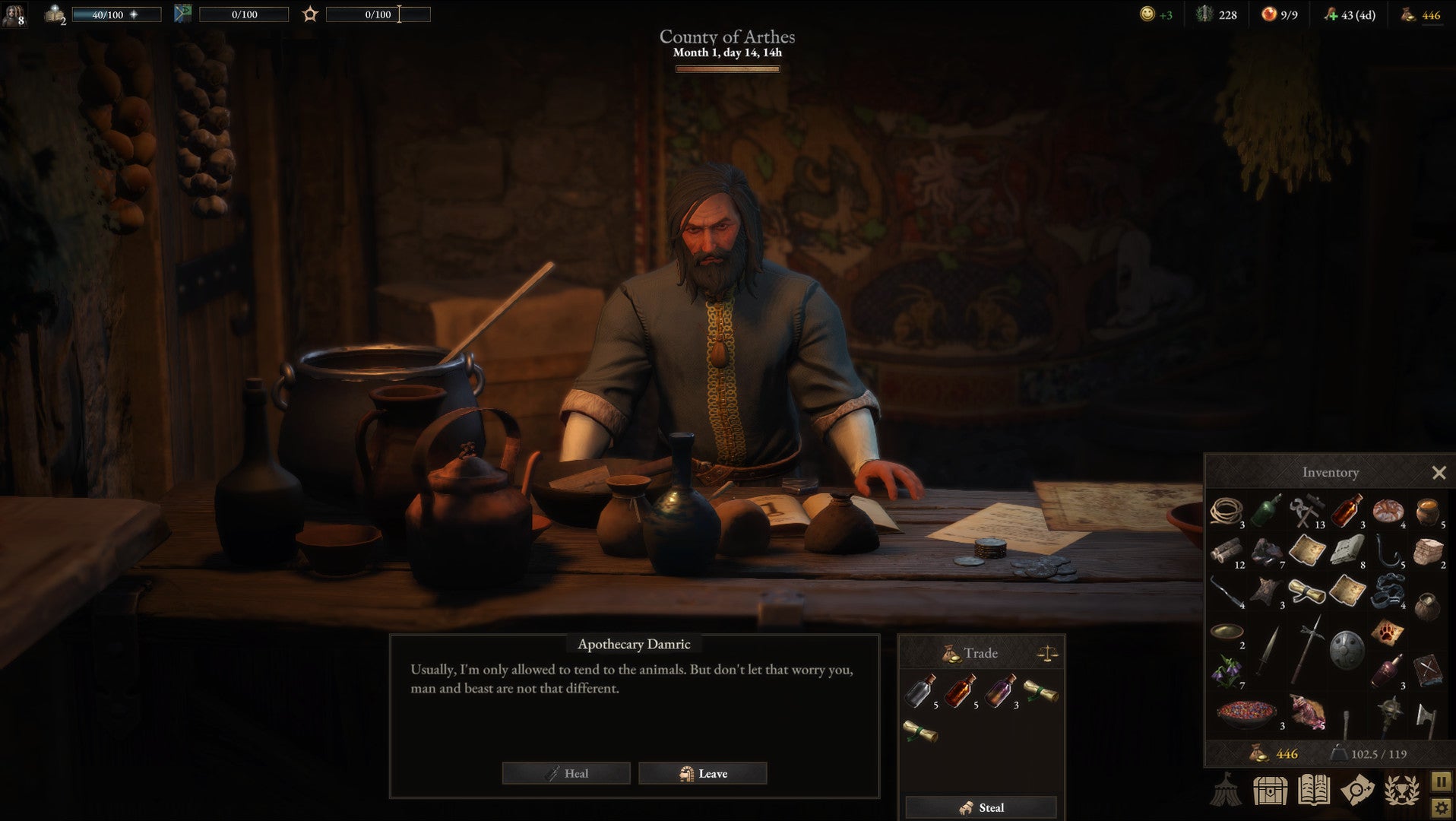
Along your adventures, you’ll have opportunities to recruit some folks into your party, especially if they have a particular skill that’ll be useful. You can also catch outlaws to then make them your prisoner, and turn into the guard for a monetary reward. Having them in your custody might mean that bandits might find you and try to free them, in which you can hand them over without a tussle, or scrap over them. In one case, I found a blacksmith who was being held against his will by the guard, and so we freed him with a lockpick I had on me. In doing so, he requested we escort him to a nearby town. Along the way, we fought off multiple encounters with the guard, and when we reached our destination, everyone was elated to see him. He then joined that town as the blacksmith they sorely needed, and even I could now use him at-will. It was a really fun and worthwhile endeavor to take on, even if it was challenging to fight off so many guard. While a lot of this is scripted, roaming for missions yields its own satisfaction when you come across moments like these.
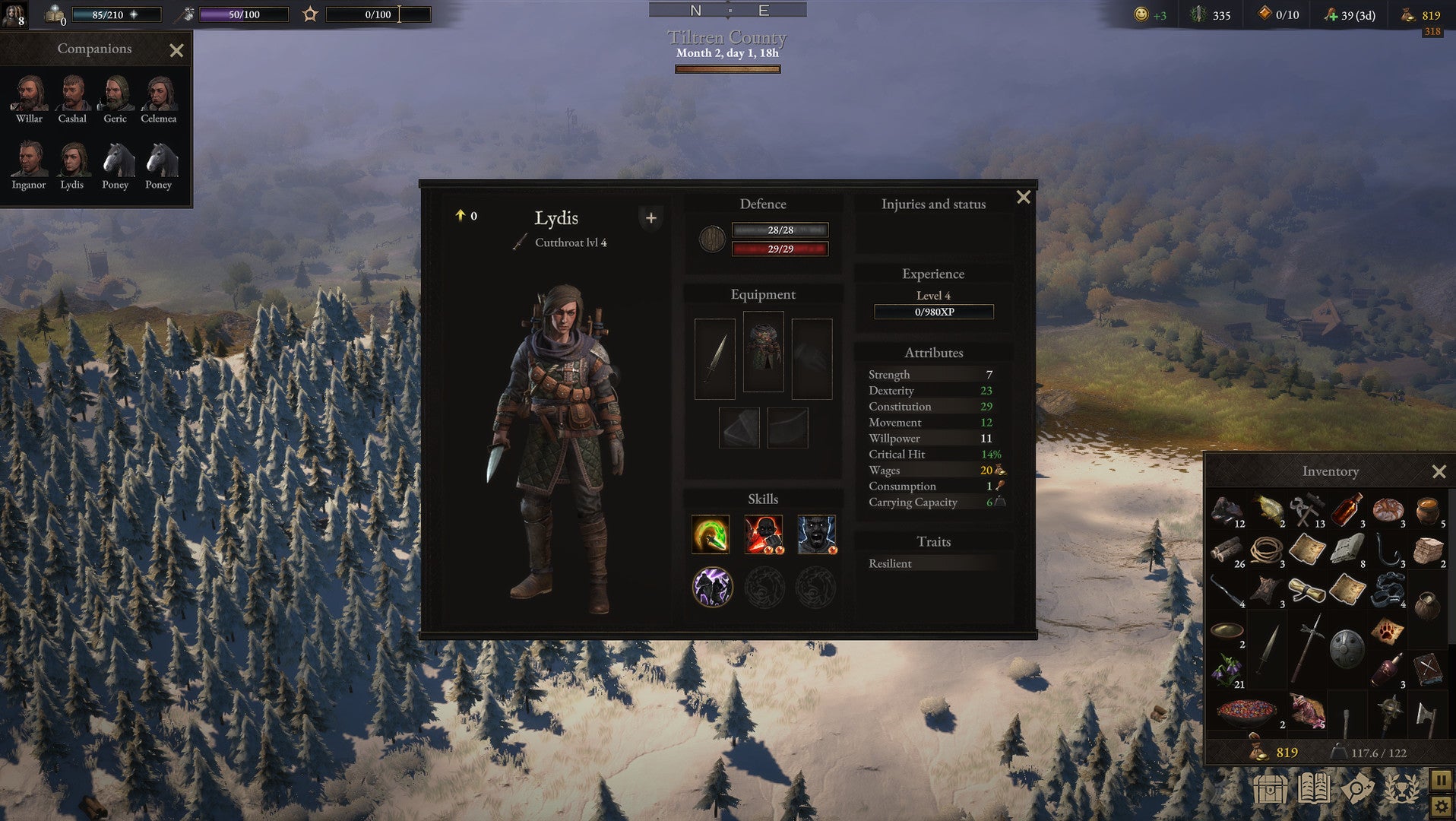
This is an open-world RPG, and your companions will be leveling up, and so you’ll be given points to invest into a specialization tree, such as earning new abilities to use in combat or passives that buff your combat effectiveness. Even the ponies you use to ride and carry your inventory can level up, and hilariously have options for setting them up for combat. As you work your way across the land, you’ll need to have different professions established for each member. I set one as the angler, another as a thief, and another is a miner. Spreading out the professions ensures less opportunities are missed when their need arises.