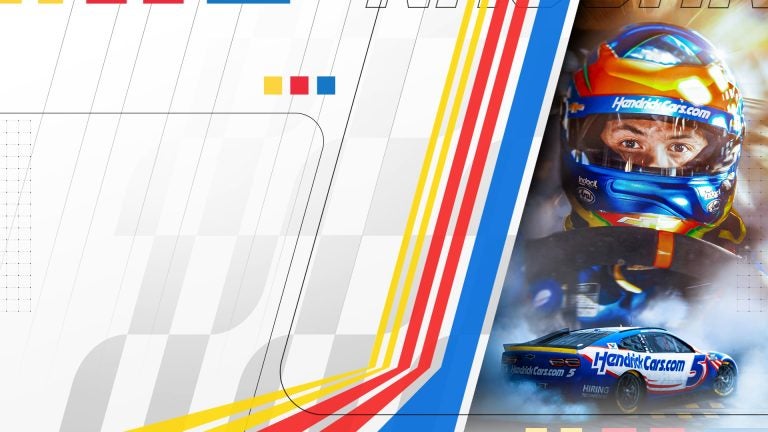



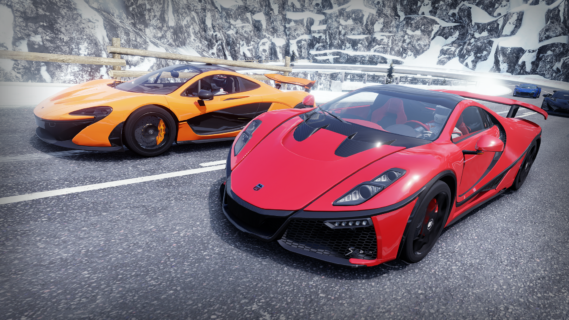




Eden Games have a strong lineage of making great racing games, most notably the first two Test Drive Unlimited games. The same can’t exactly be said for the Gear.Club Unlimited series, but there’s a certain charm and appeal to them that I can never put them down. Gear.Club Unlimited 3 has now released onto PC and the wider consoles after releasing onto Switch 2 earlier this year, and the feelings are mixed. While it still has limitations like its predecessors, it does take a step closer to delivering on the ‘Unlimited’ promise of its title. Gear.Club Unlimited 3 features a healthy roster of cars you want to drive with beautiful settings of Japan and France, and customization tied to progression in a clever way to keep its hooks in you.
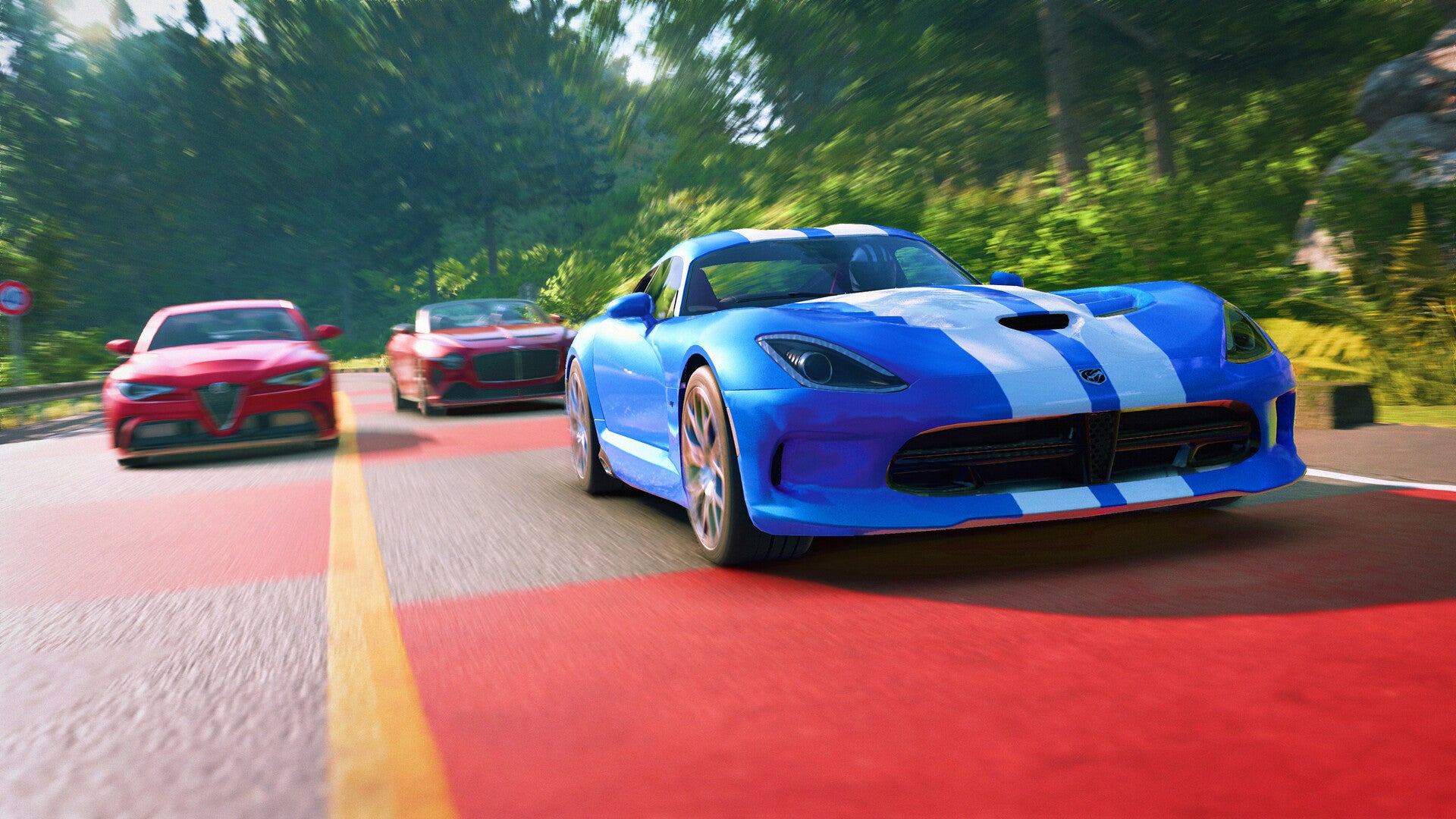
A story exists here, but it’s paper-thin and only exists to get you from one race to the next. You’re a rookie racer looking to join the illustrious Gear.Club, and warring sects across Japan and France drag you into forgettable, generic faction drama. You’ll engage in one-sided conversations as photos of the people talking come up, say their part, and disappear. Then it’s off to one race and then another before they talk again. This’ll go on for eight chapters until you’ve done and seen everything. It’s not the most exciting thing, but a story in a racing game shouldn’t be the best thing about the game, anyway.
We’ve reviewed Gear.Club Unlimited and Gear.Club Unlimited 2 over the years here, and this once-Switch exclusive racing series showed signs of promise, yet it never really lived up to its full potential. Gear.Club Unlimited 3 takes two steps forward, and one step back. Other than the story mode, there’s free play, and that’s it. There’s unfortunately no multiplayer like the previous two entries, and so this game feels lonely by comparison. However, the lengthy story mode and over 50 tracks do provide well over 20 hours of gameplay, and even more if you aim to maximize upgrades and completing all races, even the optional ones.

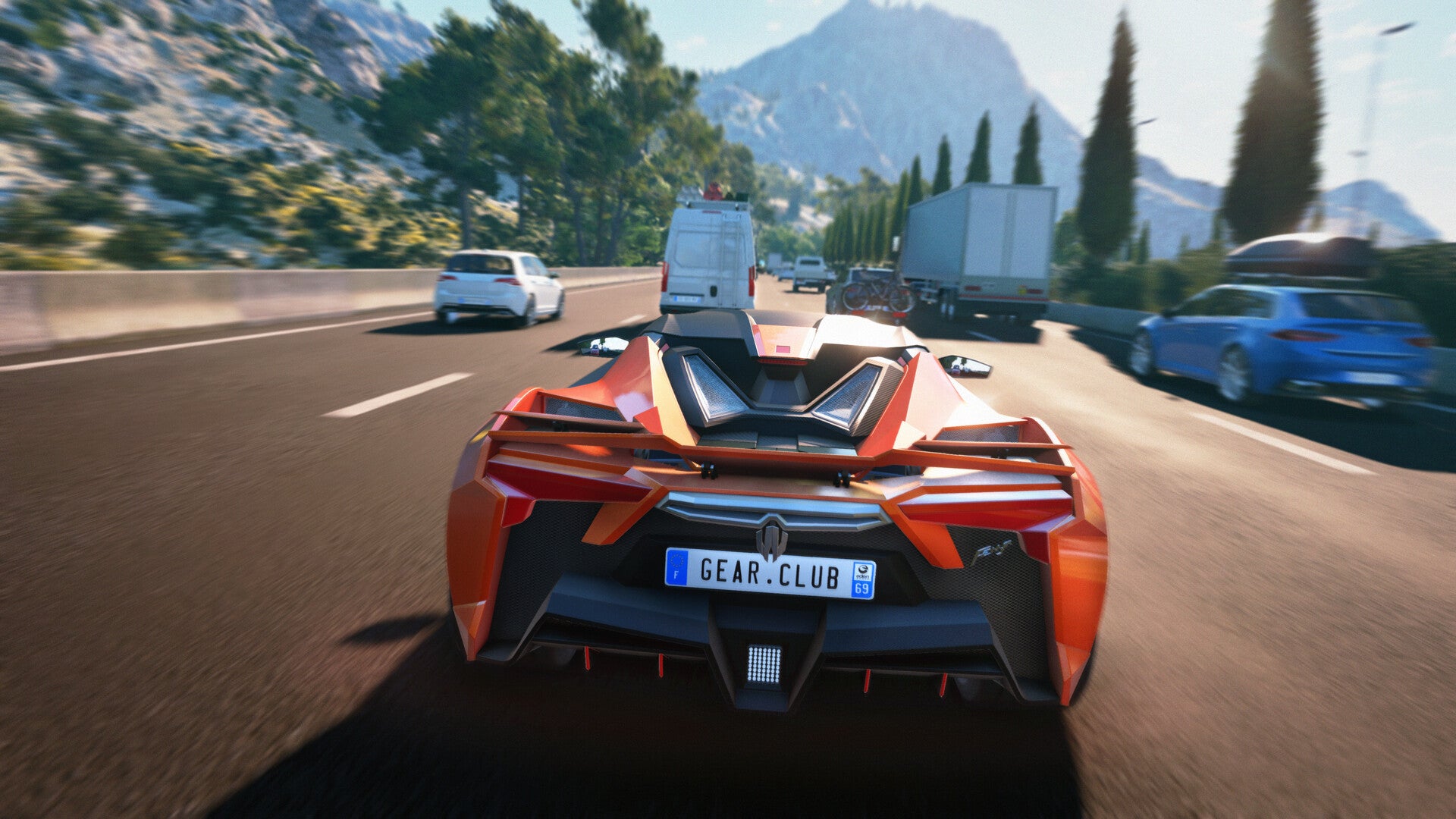
In focusing on the story mode, the structure is essentially a gauntlet of events until you beat all the races to take you to the next chapter of the story. Doing so begins to unlock more cars for purchase, and expanding your garages for better customization options. There are basic races with you versus other racers, starting all the way in the back and having to fight either for a podium or first place, depending on the objectives given. There are a lot of “beat the clock” races, which are just time trials with you versus the track to get to the finish line before the timer runs out. The newest event type is duel, which is very similar to Tokyo Xtreme Racer where it’s you versus another racer on a highway where you’ll have to cut through dense traffic, gaining enough of a lead which will do enough damage to the other racer. Chip away enough damage to reduce them to zero in order to win the duel. There’s also a variant of highway races of it just being a race against the clock while contending with that same dense traffic. While repetitive across all types, I found them all engaging for what they are.
There’s a decidedly simcade feel to the handling and physics of the game, meaning it strikes a balance of arcade and simulation that is a great place to be. Eden Games also bucks modern trends by having a game with no difficulty selector, no driving line, and no rewinds. Instead, this game relies solely on driving skill, or it’s time to restart or upgrade your ride. Gear.Club Unlimited 3 rewards clean racing, and if you do enough things like overtakes, top speed, and close calls, you’ll build up a meter like Tony Hawk Pro Skater’s ‘SPECIAL’ with this game’s titular ‘UNLIMITED’ meter. If you reach the end of the race with any part of it filled, you’ll earn a bonus in cash and rewards in resources for your efforts.
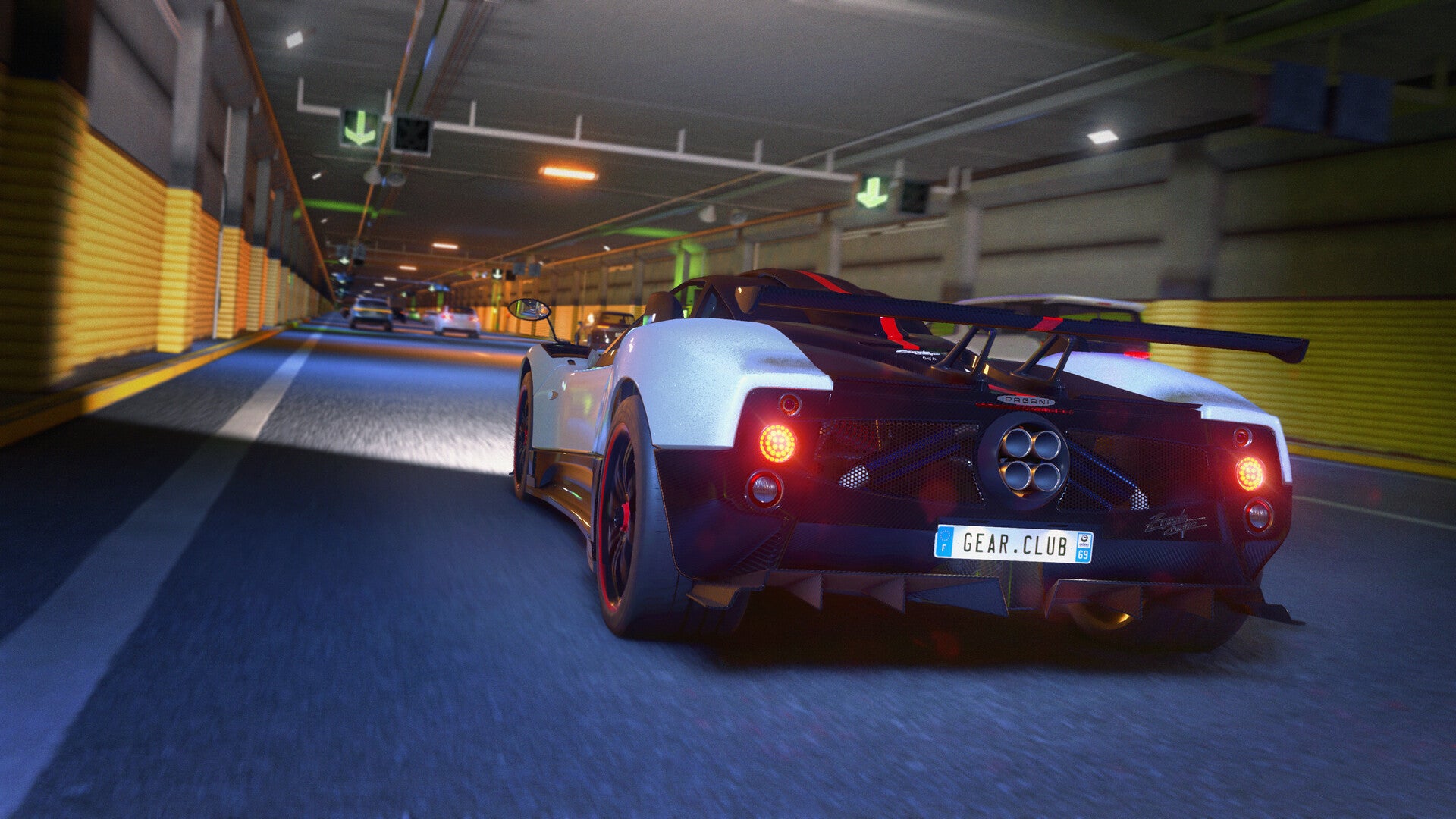
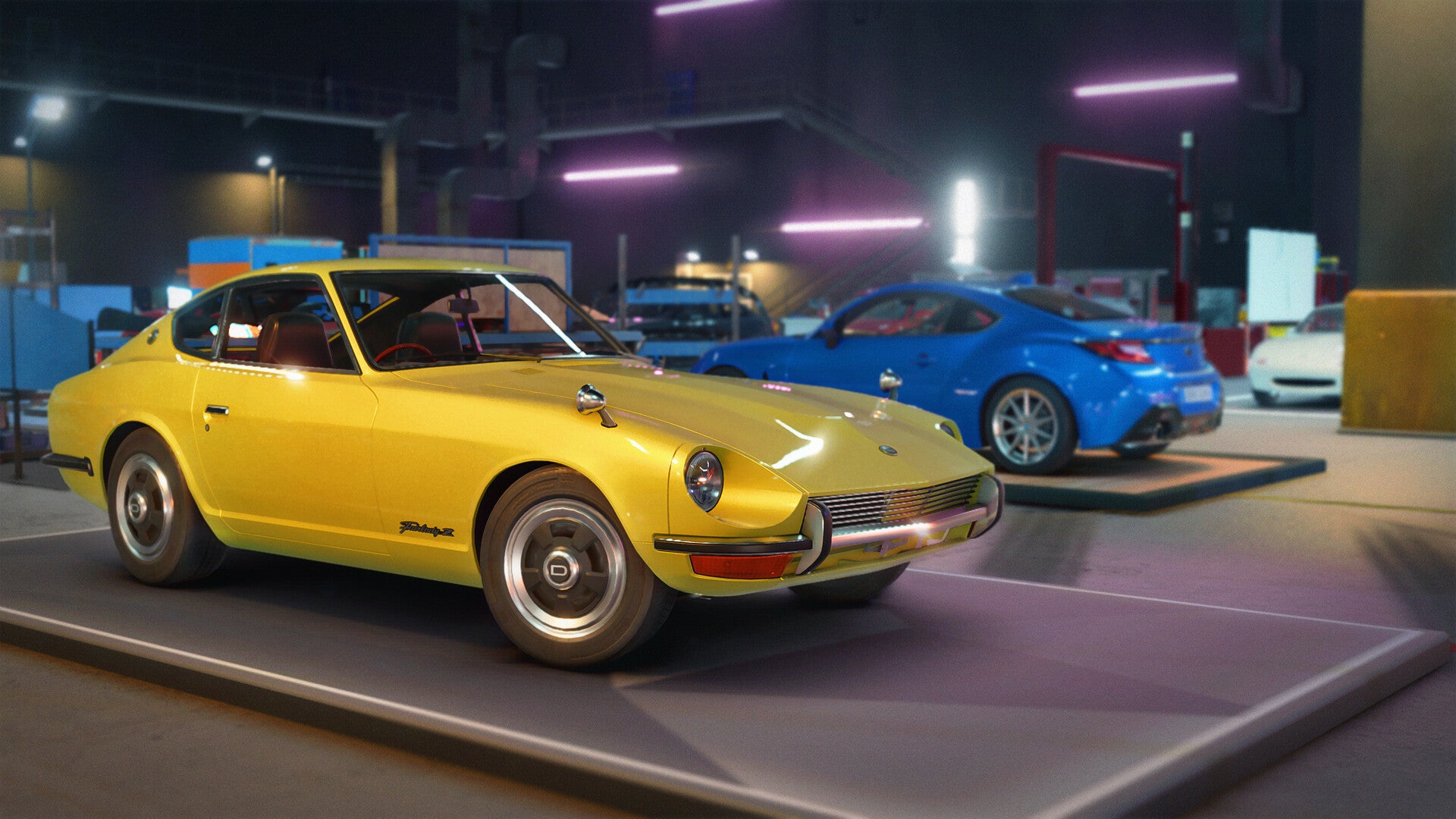
Car manufacturers are never fond of players being able to make their cars look bad, so it’s not all too surprising there’s no damage model here, not even visual for scrapes and scratches. You’ll find 40 vehicles from America, Europe, and Asia all represented here with most of your favorites and more mainstream picks. You’ll find entry-level cars like the Mazda RX-7, Nissan Silvia, and Lotus Exige to more powerful entries like Bugatti Mistral, Nissan GT‑R R35 Nismo, and Ford Mustang to name a few. It’s a solid collection of cars that would likely make my list if I were asked to make a finite list of cars. The first car I bought was a Dodge Challenger Scat Pack, and I was able to complete the first two chapters using only that car, amassing a lot of money and resources.
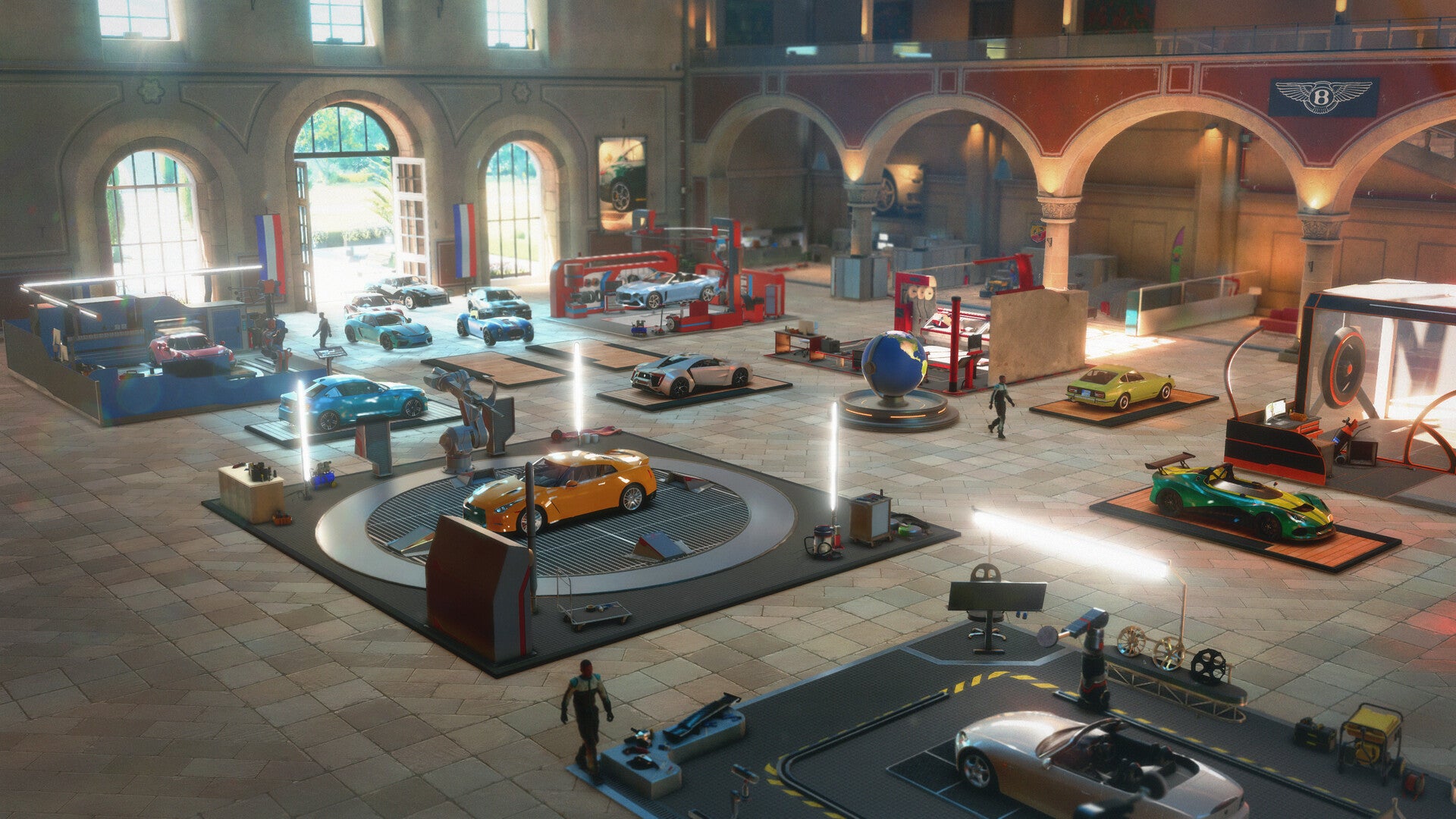
Eventually, that stock Challenger won’t cut it, and things become more demanding as you progress. This is where the titular Gear.Club comes in, a place where you’re given full control in the garage how you see fit to apply paint, modify the bodywork, or enhance the mechanical. It’s here you can also hire staff members to earn more rewards or bonuses. The progression you’re making is represented by what you’re able to unlock for your cars.
[Being] this faceless and featureless figure essentially makes you like The Stig from ‘Top Gear’.
For the first time in the series, you’re actually given not one, but two cockpit views. The first one is a close-up view for when you’re using a racing wheel, and the second one is seated further back and shows the wheel and hands of your driver. When playing, you’ll encounter all times of day, with fog being the only type of weather. The game does have some additional personality through its radio as they are named and categorized better: Azur FM (pop), Roku 102.7 (rock), Memories 246 (electronic), ISM (dance), and Rolling Start (alt rock).
For all its faults, the game presents you with lots of character and story, but you, as the protagonist and up-and-coming racer, are not one of them. You can’t customize your character, so the driver model in every car wears ugly race attire. This faceless and featureless figure essentially makes you like The Stig from “Top Gear”.
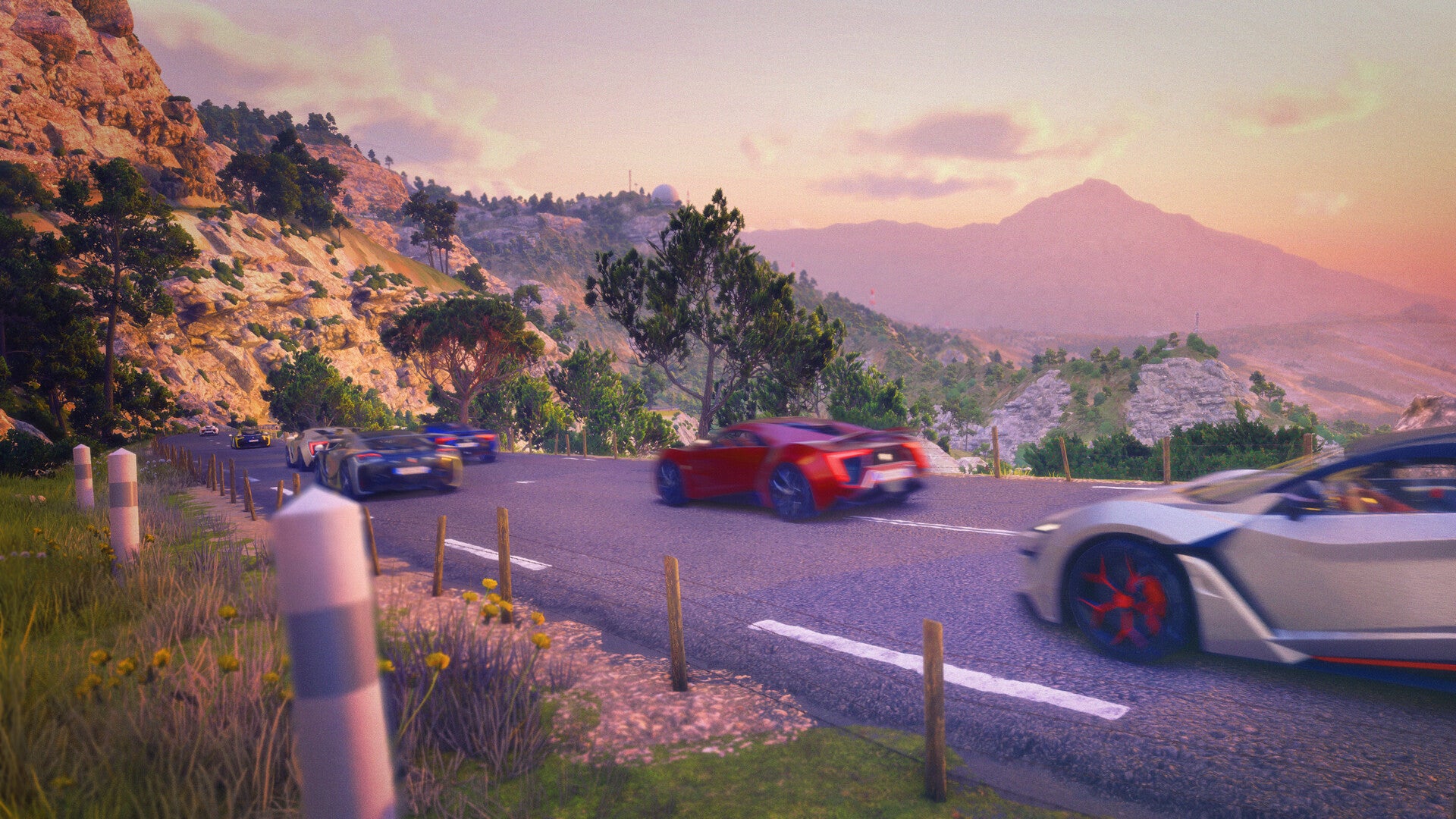
I was surprised to see that this game has both Ray Reconstruction and Path Tracing in it, and Eden Games really took massive leaps in visual fidelity this time around. However, the performance of this game with or without Ray Tracing is not as good as it could or should be. In fact, when I had both Ray Reconstruction and Path Tracing enabled, my game would crash only when starting a new chapter. If I disabled Path Tracing, then the game never crashes. That said, I was getting just above 60fps with DLSS on DLAA (native resolution), Ray Reconstruction ON, and Path Tracing ON. Comparatively, other games can’t stay above 60fps when all of these settings are enabled. There’s a victory in there somewhere, but it’s hollow.
Scott's PC Specs:
Linux 7.2.9-2-cachyosIntel Core i9 13900K @ 5.8GHzASUS ROG RYUJIN II 360 ARGB AIO Liquid CPU CoolerG.SKILL TRIDENT Z5 6000MHZ 64GB (32×2) DDR5 RAMASUS ROG Strix GeForce RTX 4080 16GB GDDR6XWD_BLACK SN850X M.2 (8 TB)LG UltraGear 34GP950B-G (21:9 Ultrawide @ 3440×1440)
At its core, Gear.Club Unlimited 3 is a lonely, B-tier racer, but I appreciate that the series continues to make its way to PC. It’s a structurally weaker outing compared to modern racing giants, yet it confidently holds its own where it counts: a great car selection, satisfying progression, and a rewarding simcade driving model. It easily takes the crown as the best game in the series, even if that isn’t saying much. There is plenty of old-school, grind-it-out racing fun to be had here, provided you leave this one parked in your wishlist until a deep sale.