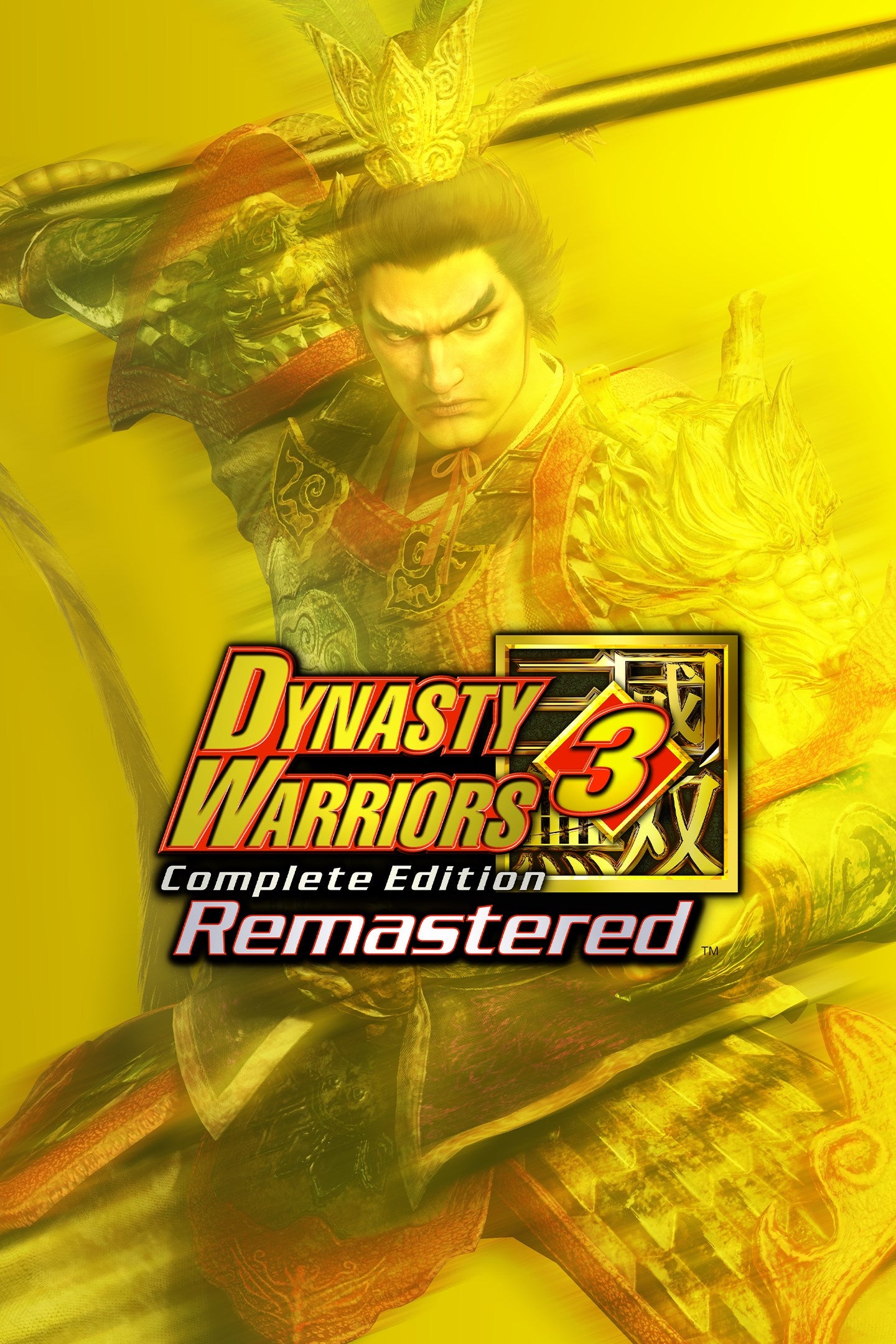


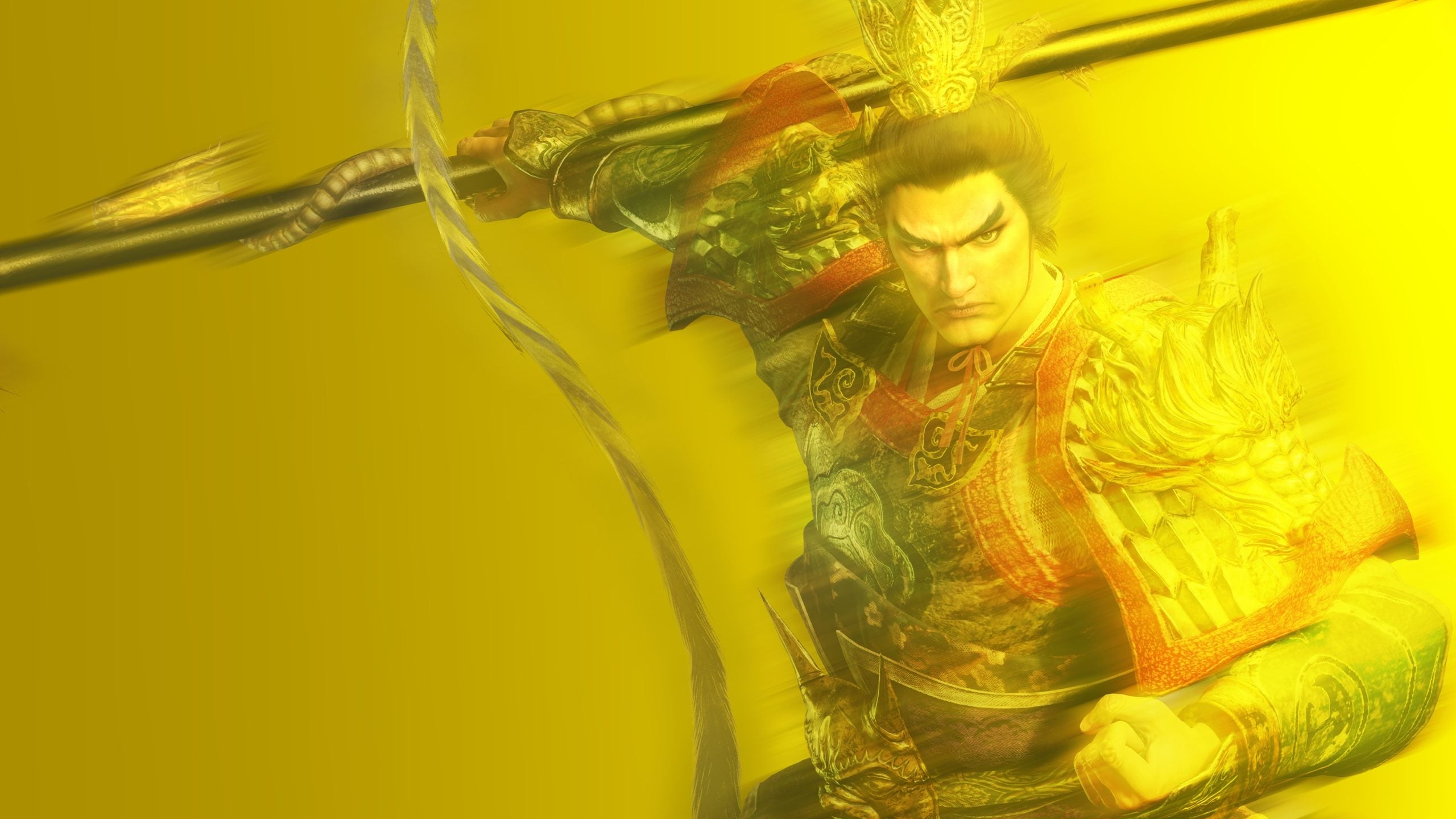

Ah yes, Dynasty Warriors 3. These ancient Chinese battlefields are where I spent most of my days. The Yellow Turban Rebellion, Hulao Gate, the Battle of Chibi, the Battle of Wuzhang Plains. Just hearing those names brings back a flood of memories. Sure, I might get a battle or two mixed up when recalling who fought where, but it’s also been 25 years since the game was originally released. Some of my fondest gaming memories come from playing co-op with my brother, trading countless laughs over the notoriously bad English voice acting and quoting lines that have stuck with us to this day. From “Shall he die… Beautifully” to “You Flaming Idiots!” This game contributed more than a few phrases to our brotherly vocabulary. We loved the series so much that we eventually went out and picked up the Three Kingdoms novelizations that inspired the games.
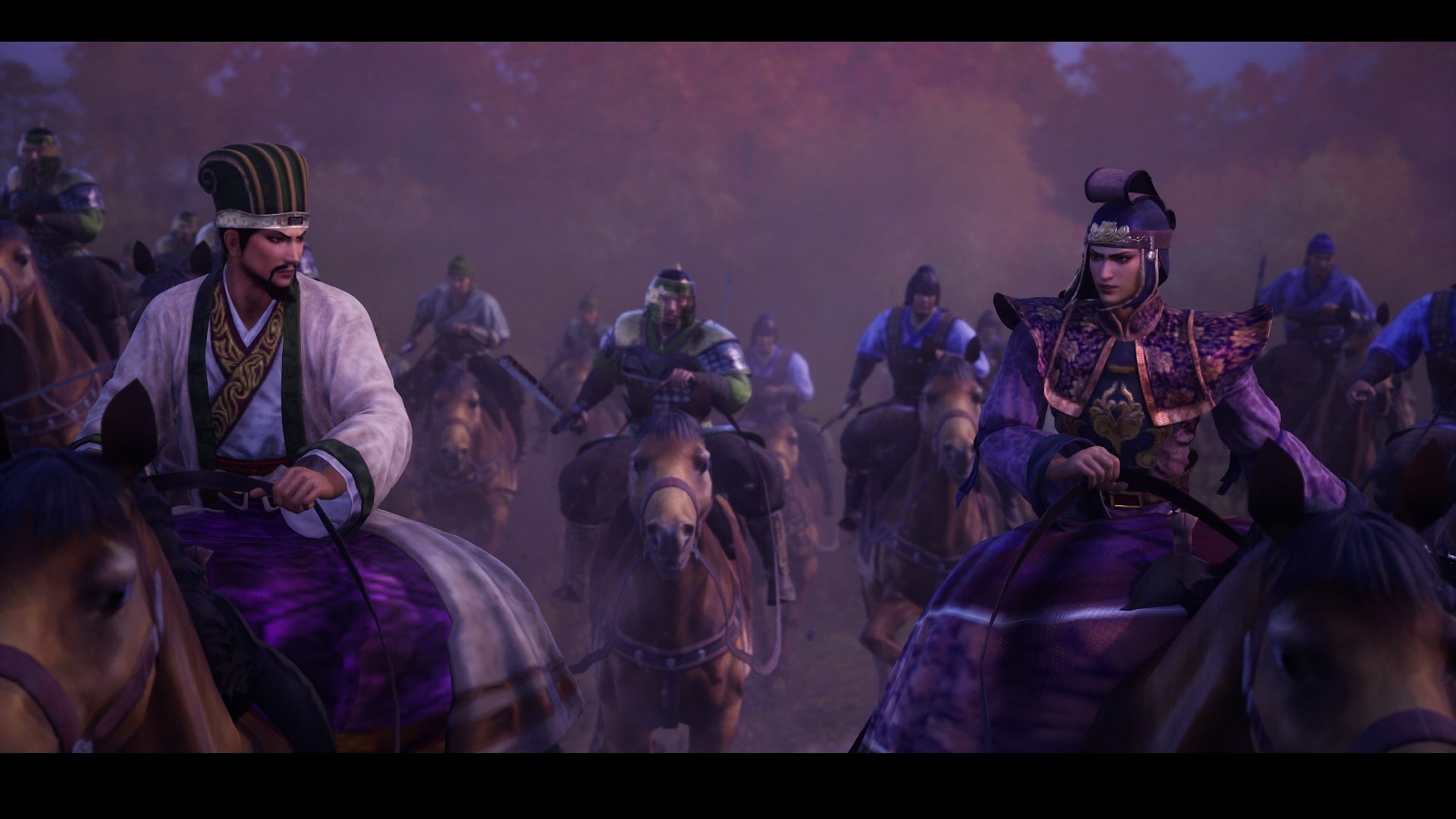
While Dynasty Warriors 3 takes plenty of liberties with the historical events and brings a healthy dose of corniness to its portrayal of the era, it was the one-versus-a-thousand hack-and-slash gameplay that really hooked me. Plenty of people have criticized the series over the years for its repetitive missions and simplified combat, but I always found the action fun and engaging. The massive roster of playable characters, each offering their own perspective on the Three Kingdoms story, was equally mind-blowing to me at the time. I didn’t care that only a handful of enemy officers could appear on screen at once, that the game occasionally chugged, or that its environments looked like a muddy mess. None of that mattered when I was cutting through enemy ranks, racking up K.O.s, and hearing a general declare, “You are a True Warrior of the Three Kingdoms!” Reaching 1,000 K.O.s never got old, and even now, in my early forties, playing this remaster, I still find myself pumping my fist in excitement when that milestone pops up. Some things just never lose their magic.
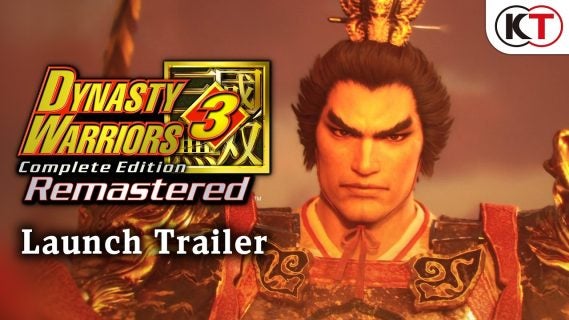
One of my first thoughts when I heard about this release was trying to imagine what Dynasty Warriors 3 would look like rebuilt in Unreal Engine 5. As I mentioned earlier, the original PS2 game wasn’t exactly a looker. The warriors themselves held up reasonably well, but the enemy officers, the surrounding environments, and the occasional performance hiccups left plenty of room for improvement. I mean, it could only get better, right? Well, I’m happy to report that this is an incredible remaster. Everything I love about DW3 is here, only now it looks better, plays exactly how I remember, and runs smoothly. When I first loaded into Musou Mode, the words “they did it, those fools actually did it” genuinely came out of my mouth. I couldn’t believe they had actually pulled it off. This was the faithful remaster I had dreamed about for years, preserving what made the original so special while giving it the visual and technical improvements it deserved. I was the mark for this release, and the developers hit that target hard.
When I first loaded into Musou Mode, the words ‘they did it, those fools actually did it’ genuinely came out of my mouth.
What I was looking for in a Dynasty Warriors remaster is probably the same stuff that will turn newer players away, and honestly, I wouldn’t have it any other way. The terrible English voice acting is still here, along with the simple but satisfying combo system, character stat leveling, and the familiar loop of collecting weapons and items to improve your equipment. It all feels exactly as I remember it, right down to the way the game looks. Somehow, this remaster manages to capture the image of Dynasty Warriors 3 that I carried around in my head as a kid, rather than simply reminding me what the original PS2 game actually looked like. Even the ending theme and the animated sequence featuring different warriors has been preserved, which is the kind of attention to detail that makes this release feel so special. This isn’t just a fresh coat of paint on a game I loved growing up; it’s a chance to revisit that experience with all the little quirks and familiar touches that made it memorable in the first place. For longtime fans, this release is an absolute thing of beauty.
Honestly, that’s it. Review over, five stars, go buy it. But what about those of you who have never dipped your toes into a Dynasty Warriors game? Should this remaster be on your radar if the only thing you know about the series is the occasional joke about the Yellow Turban Rebellion? Is the repetitive gameplay going to be a dealbreaker for the average gamer? As much as I’d love to wrap things up here and get back to hacking and slashing my way through ancient China, there’s still a little more to discuss. So onward my noble reader!
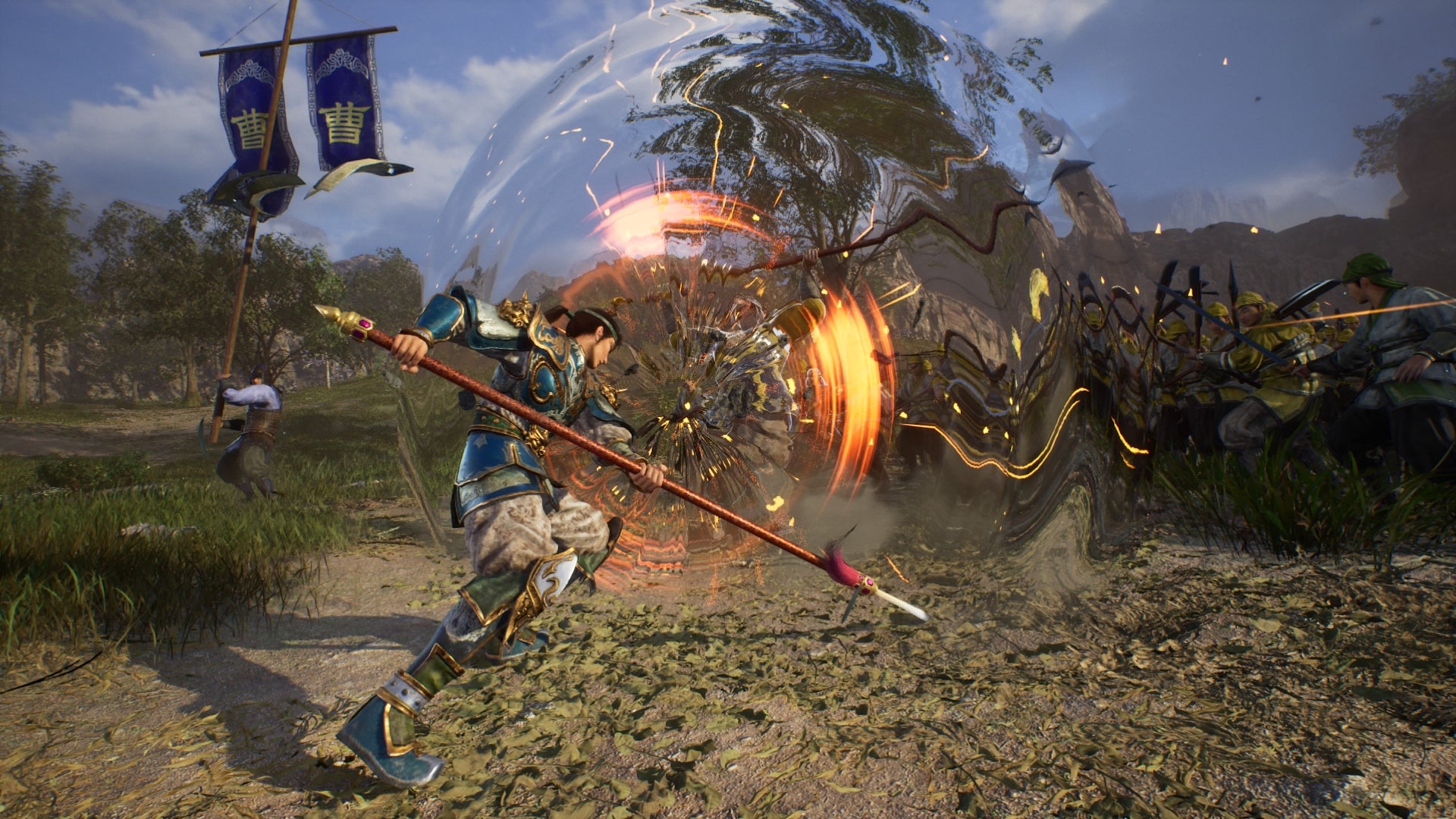
The story of Dynasty Warriors 3 has been retold countless times over the years, with each new entry offering its own take on the events. For those unfamiliar with the series, the game follows a semi-fictionalized version of the Three Kingdoms period in ancient China. One of the series’ biggest staples is its enormous roster of playable Warriors, around 40 generals to choose from in Dynasty Warriors 3. That was an astronomical number of characters back in 2001, and it’s still impressive today. Just look at Super Smash Bros. Ultimate, which features around 89 playable fighters and manages to make that roster feel massive. Now imagine getting nearly half that number in a game released more than two decades ago!
The Warriors you can play as primarily serve one of three kingdoms: Shu, Wu, or Wei. A handful of independent factions also begin the story with their own territories, though they eventually merge with the larger kingdoms or are wiped out as the conflict unfolds. Each kingdom has its own identifying color, making it easier to tell the factions apart on the battlefield. Shu is green, Wu is red, and Wei is blue. These colors carry over to flags, officers, and bodyguards, giving you some much needed visual cues when the battlefield is packed with soldiers. Enemy health bars and the red markers on your map also help you identify where the opposing forces are, which is especially useful when hundreds of people are running around on screen.
When you first start the game, you have 15 Warriors available to play as, with more characters waiting to be unlocked. To access the full roster, you’ll need to work your way through the Musou Mode, the game’s story campaign, with the characters already available to you. Completing a character’s story unlocks another Warrior, giving you a new campaign to tackle and another perspective on the events of the Three Kingdoms. As you can probably tell, there’s a considerable amount of replayability built into Dynasty Warriors 3, and that was one of the biggest reasons I kept coming back to it back in the day. There’s something satisfying about completing a campaign, unlocking a new character, and having a meaningful reward waiting for you at the finish line. It gave me a reason to keep playing long after I’d finished my first few campaigns.
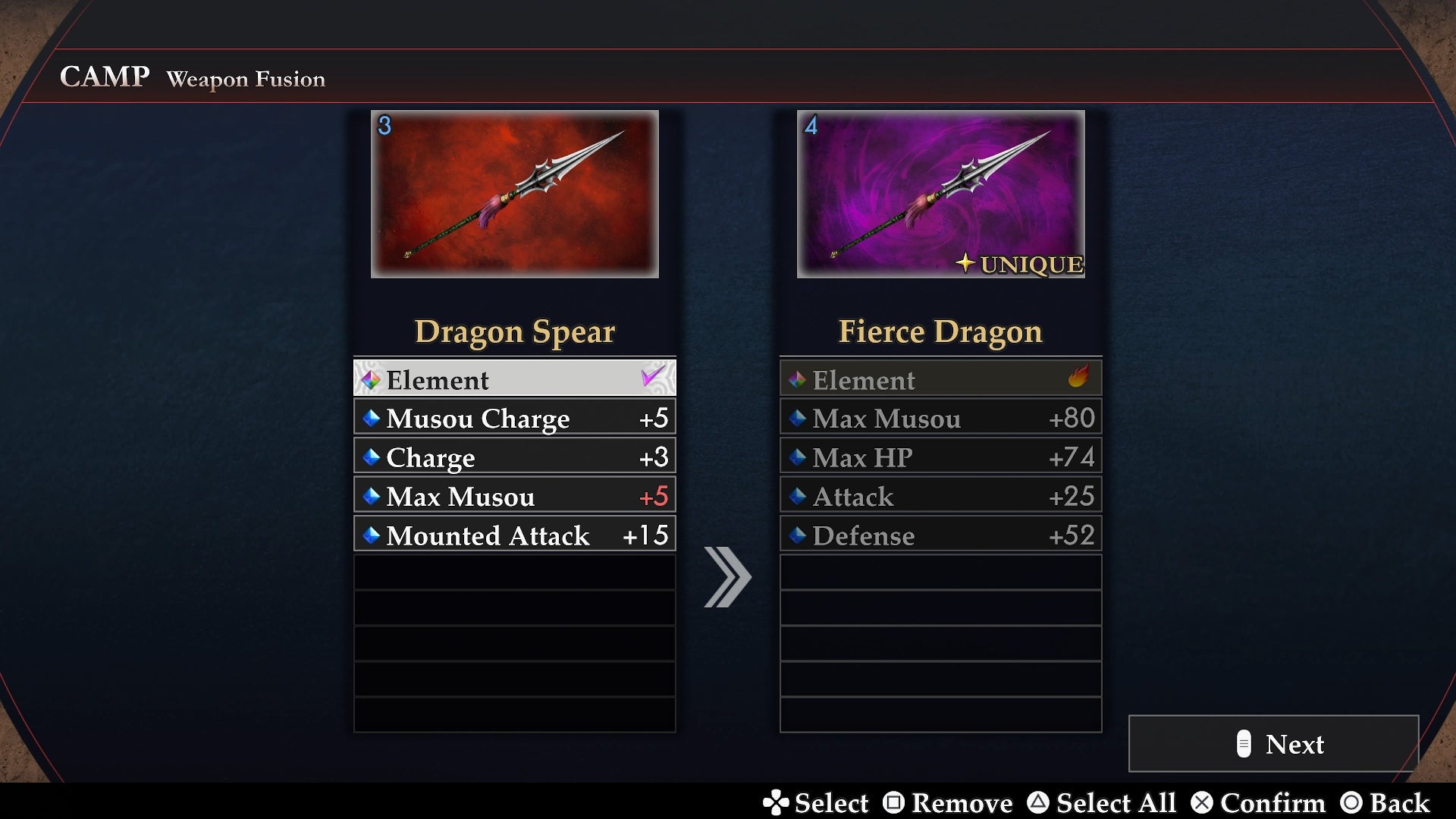
Once you’ve picked your officer, it’s time to prepare for battle. You can choose which weapon they’ll carry, select the items they’ll take into combat, and assign the bodyguards who will fight alongside you. Of these choices, your weapon is arguably the most important. Unlike later entries in the series, where you can experiment with a wider variety of weapons, the earlier Dynasty Warriors games assign each character a specific weapon type. As you fight your way through each stage, defeated enemies will occasionally drop new weapons. These can offer improved stats over your current weapon or be a higher level, giving you access to an additional attack at the end of your combo. It’s a simple progression system, but finding a stronger weapon and discovering that you can squeeze one more hit into your attacks is rewarding.
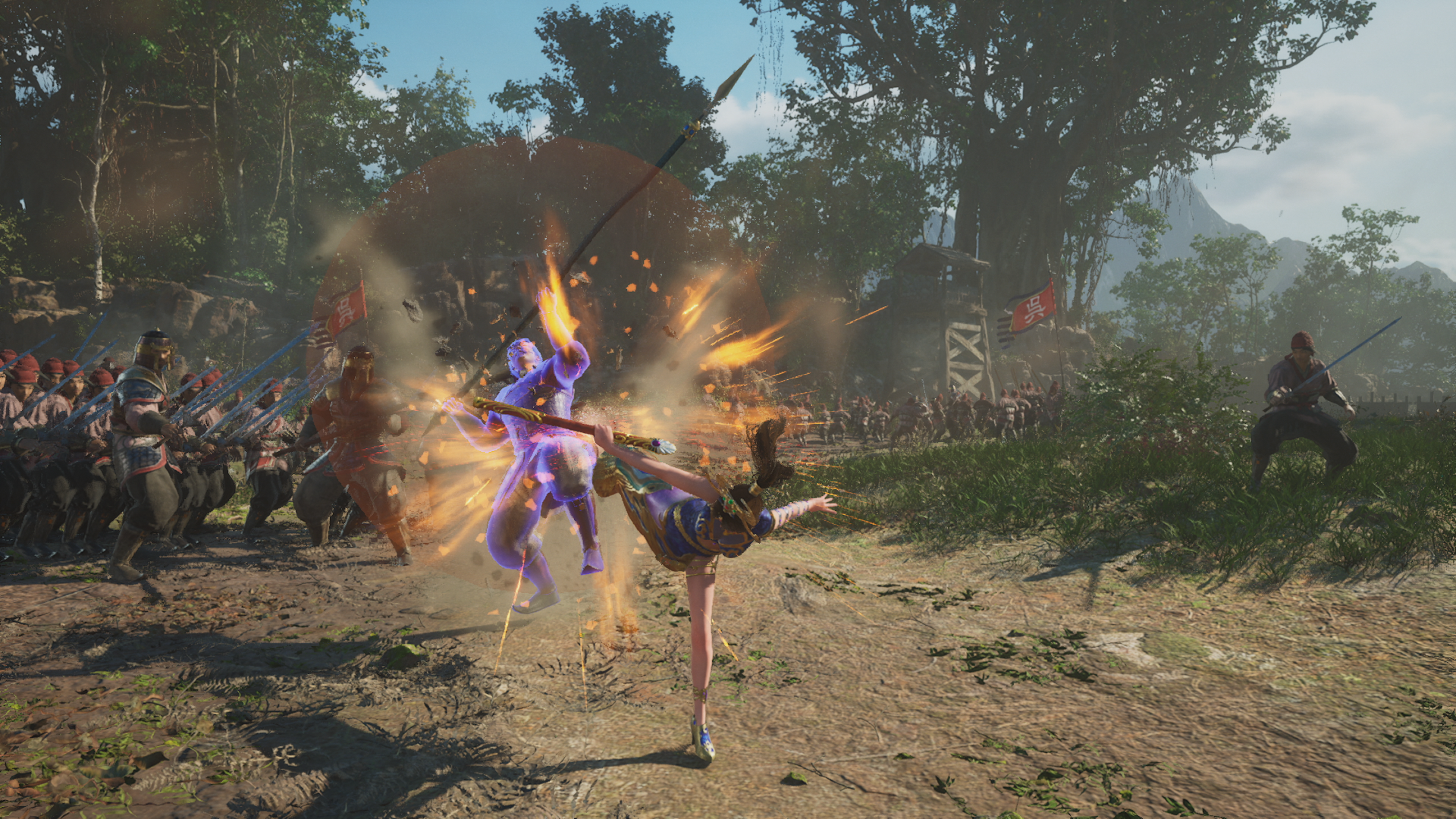
In the original release, level-four weapons were the highest you could obtain, and finding them required you to meet specific objectives during certain stages. The follow-up expansion, Dynasty Warriors 3: Xtreme Legends, introduced a fifth weapon for each character to unlock, and the Completed Edition Remaster includes these powerful 5th weapons as well. One of the fun quirks of the series is just how imaginative some of these weapons can get. They’re a little more restrained in the earlier games, but there are still some wonderfully over the top designs to discover. For me, the first character I played back in 2001 was Xiahou Dun, a general serving the kingdom of Wei. He wears an eyepatch and wields an absolutely massive sword. And when I say massive, I mean Final Fantasy’s Cloud Strife’s Buster Sword massive. Well, eventually, anyway. His starting weapons are much closer to a standard broadsword.
Weapons aren’t the only equipment you can collect. You can also bring a limited selection of items into battle, many of which are unlocked by defeating enemies and finding their drops. Just like the weapons, some of the more powerful items require you to complete specific objectives under particular conditions. One of the easier ones to pursue early on is the Red Hare saddle, which lets you begin each stage riding Red Hare, a horse renowned in the Three Kingdoms lore for being both incredibly fast and exceptionally powerful. Getting it requires you to defeat a particular general on a specific stage and difficulty. Once he has fallen you must intercept another unit that appears before it can reach the end of the stage. Meet those conditions, and Red Hare is yours. The older game required an FAQ, but in the Completed Edition Remaster, they give you a heads up that there is a special item to collect on the stage and its requirements.
You only have a handful of equipment slots available, so choosing the right loadout for your playstyle is important. Your options will also depend on what you’ve unlocked, meaning you’ll often have to weigh one bonus against another. For example, an item that gives you a single point of extra Attack might not be nearly as appealing as one that grants ten points of Defense. Those decisions become more meaningful as you progress and start collecting better equipment.
There’s also a light RPG progression system built into the game. When you first start out, your character’s stats are relatively low, but defeating enemies can reward you with items that permanently increase attributes such as Attack and Defense. These stat increases, along with the weapons and equipment you collect, carry over between modes and remain available when you replay Musou Mode. That means there’s plenty of incentive to revisit earlier stages, strengthen your favorite characters, and hunt down any equipment you missed. Of course, if you really want to call yourself a True Warrior of the Three Kingdoms, you’ll need to max out every character’s stats and unlock every available fourth and fifth level weapon. And I can say that with confidence, because that’s exactly what I did back in the early 2000s. What can I say? I was committed to the cause.
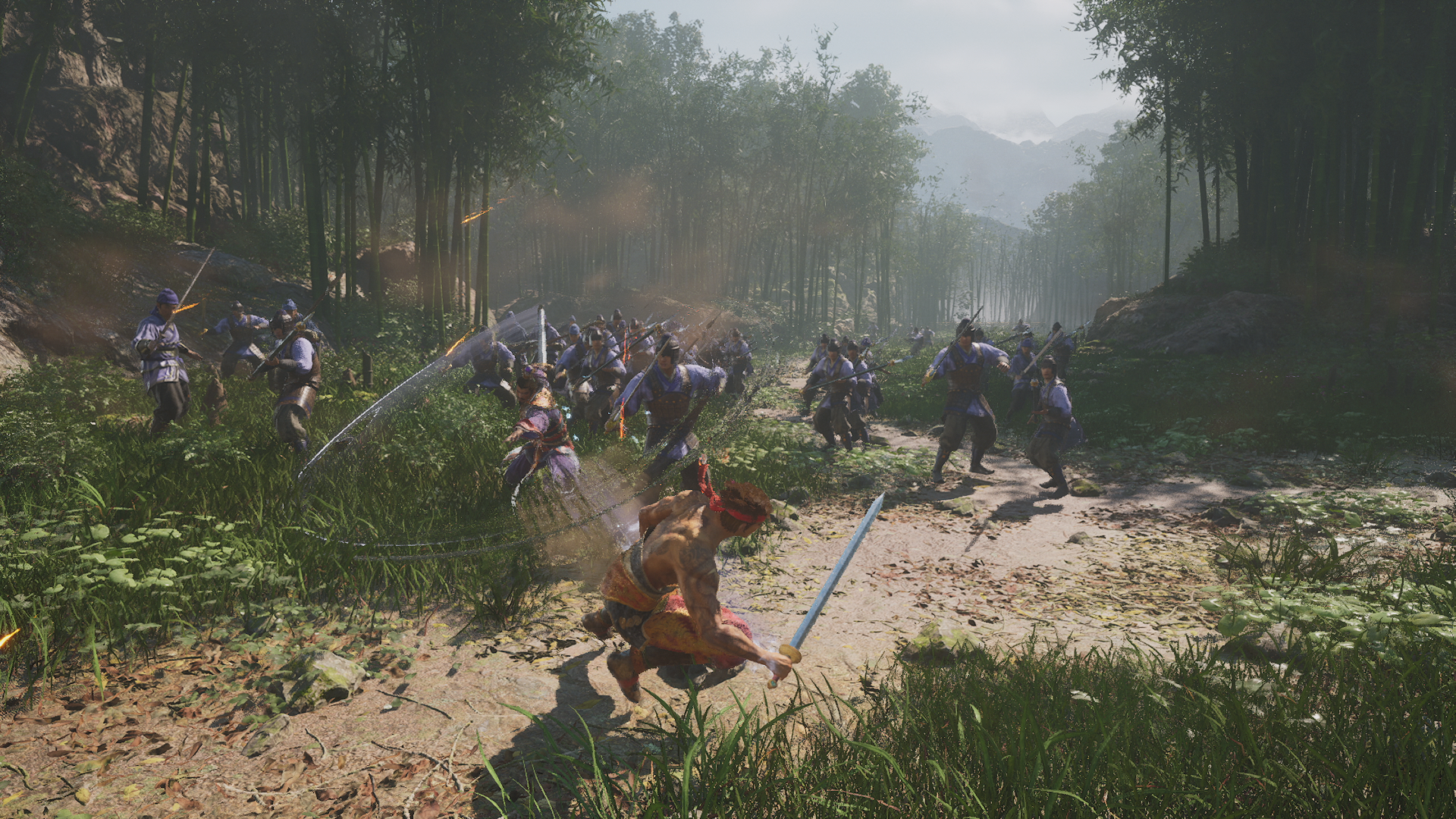
Let’s get into the basic gameplay loop, which thankfully remains unchanged in the remaster. Each battle places your chosen general on a large map filled with enemy troops, officers, and commanders. The battlefields and scenarios draw inspiration from the stories told in the Romance of the Three Kingdoms, giving you the chance to take part in some of the era’s most famous conflicts. From there, your primary objective is usually to reach the enemy army’s commander and take them out. How you get there, however, is entirely up to you.
You could take a more methodical approach by working your way through the battlefield, defeating enemy officers and gate captains along the way. This is generally my preferred strategy, as taking out these leaders limits the number of enemy officers who can return to the battlefield and support their commander. By the time you reach your main target, their defenses may be considerably weaker. Alternatively, if your character is strong enough, you can charge straight toward the enemy commander and fight your way through a sea of soldiers to reach them. It’s a much riskier approach, but it can save you plenty of time if you’re confident in your abilities and get you to a thousand K.O.s rather quickly.
Of course, not every battle goes according to plan. Missions often feature special events that can change the battlefield, alter your objectives, or introduce unexpected ambushes. Each mission often has special events that could change the map layout or introduce ambushes, which can really throw a wrench in your plans. These surprises help keep the battles from feeling completely predictable, even when you’ve played through a stage multiple times. You’ll also need to keep an eye on the clock, as every mission has a time limit. Smaller stages typically give you around 30 minutes to finish, while the larger battles can offer closer to 90 minutes. That gives you some room to explore the battlefield and deal with enemy officers, but you shouldn’t spend forever chasing every last soldier, although it is quite satisfying when the only person left on the map is the enemy commander.
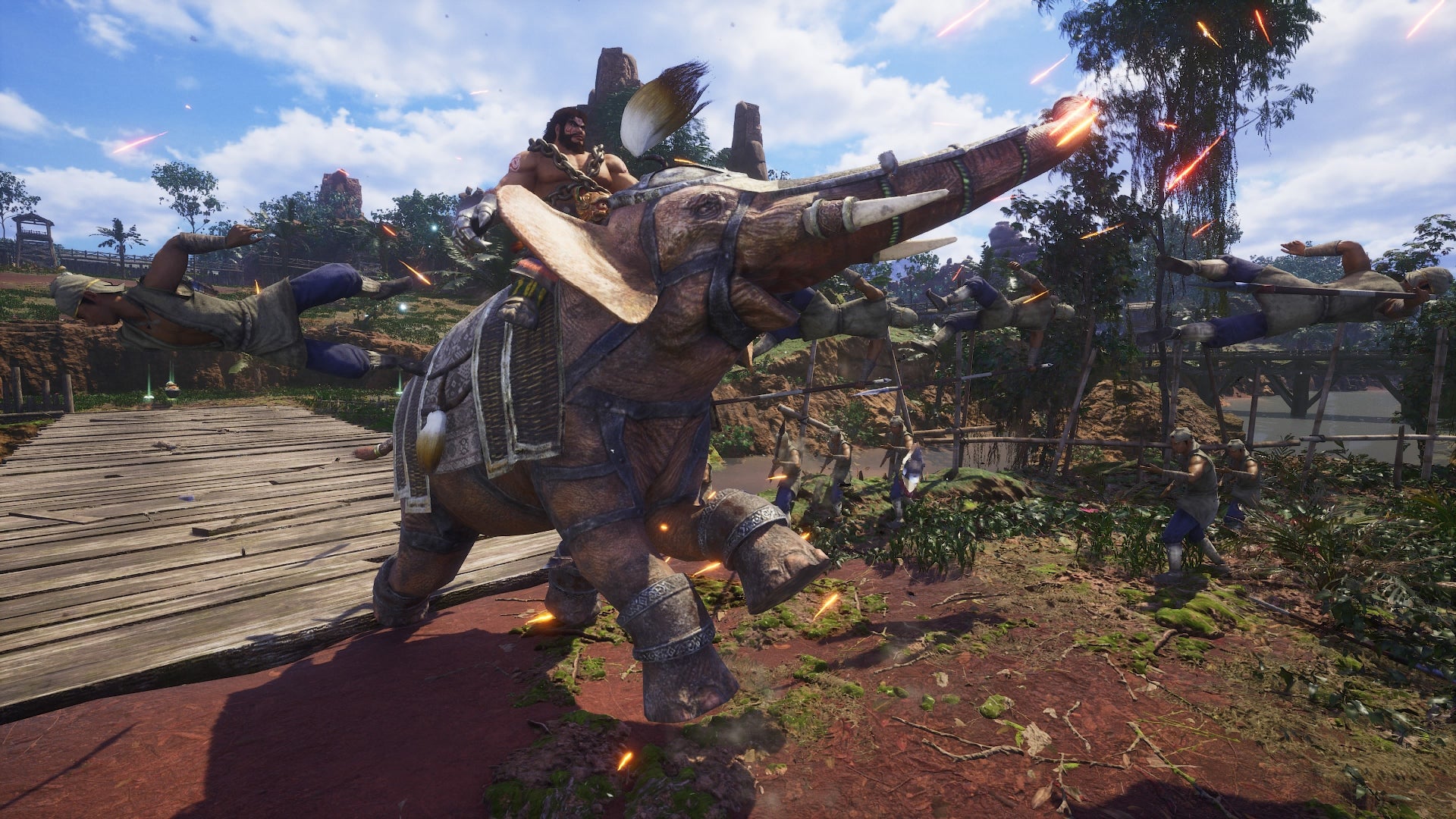
When it comes to combat itself, the controls are straightforward. Every character has access to normal attacks, heavy attacks, and a powerful Musou attack that can wipe out large groups of enemies when things get hectic. However, not every Warrior handles combat in quite the same way. Some have slower attacks that hit incredibly hard, while others specialize in clearing out crowds with sweeping, area-of-effect moves. Characters who share a weapon type may also share some attack animations, but there are enough unique movesets sprinkled throughout the roster to give certain Warriors their own distinctive flair. Learning how each character fights and figuring out which approach works best for you is part of what makes working through the roster so enjoyable.
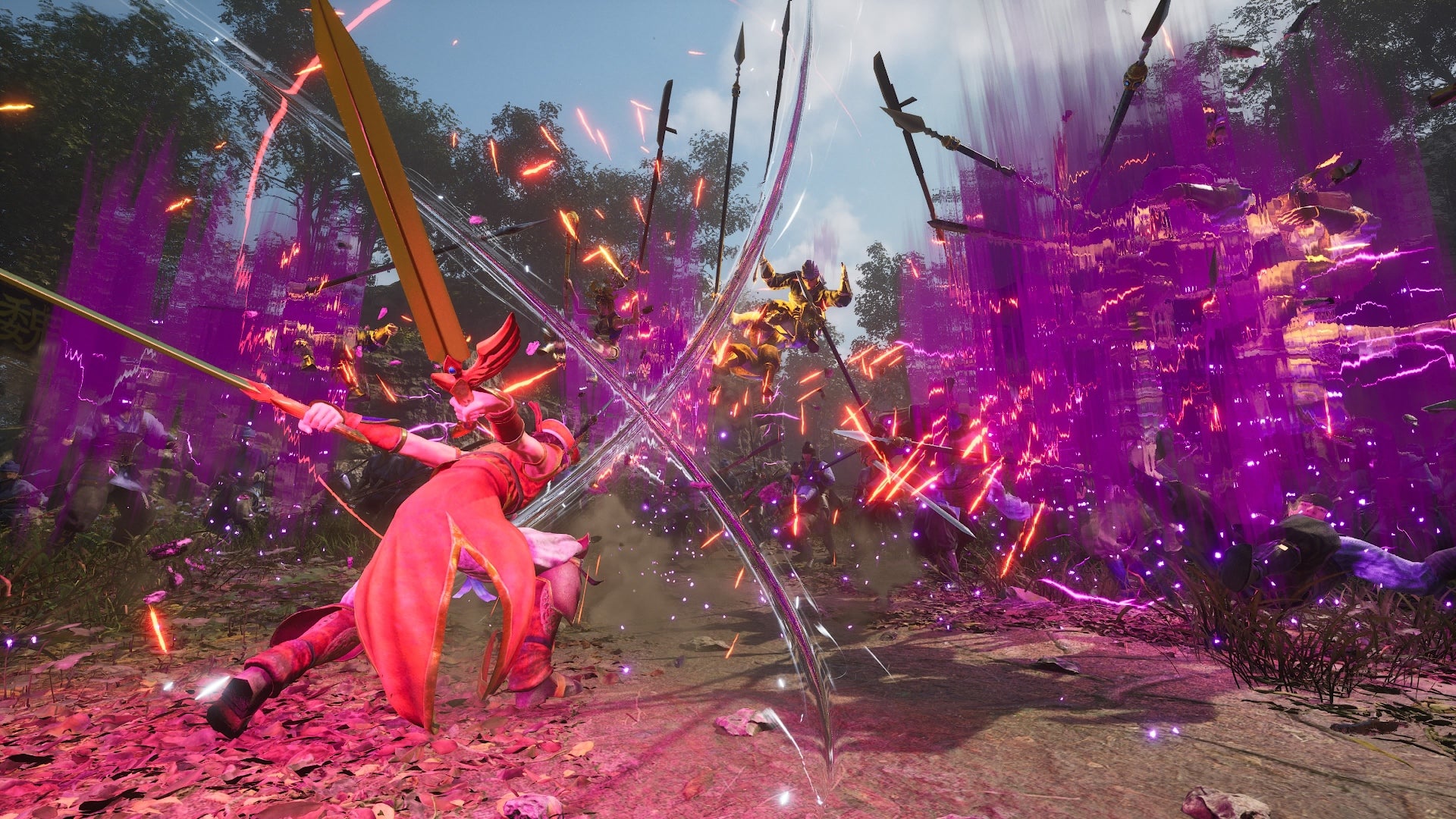
Most fights against lower-level officers and even some of the stronger commanders are fairly straightforward. You hit them, they take the damage, and eventually they go down. Honestly, they’re mostly fodder for building up your K.O. count. Things get a little more complicated when you come up against one of the playable characters. For starters, the AI loves to block your attacks, and there isn’t a particularly reliable way to get around it. This becomes even more frustrating on the harder difficulties, where enemy Warriors can feel downright stubborn about letting you land a hit.
The other issue is how easily you can get caught in an enemy’s attack combo. Once they start attacking or unleash a Musou attack, escaping can be difficult, so you really need to pay attention to their movements and recognize when an attack is coming. If you aren’t careful, you can find yourself getting smacked around by multiple enemies before you even have a chance to regain your composure. You can counter or dodge incoming attacks, but timing is everything. Get it right, and you can avoid taking a beating. Get it wrong, and you might find yourself stuck in a painful loop, hoping your health bar holds out long enough for you to fight back or run away.
Of course, what goes around comes around. You can subject enemy Warriors to the exact same treatment, juggling them through the air and chaining attacks together for as long as the game allows. If you want to see just how long you can keep an opponent airborne, be my guest! There’s even a gameplay benefit to pulling off longer combos, as your stat boosts increase alongside your combo count. So while getting caught in an enemy’s attack loop can be infuriating, dishing out that same punishment yourself is another story entirely.
For me, the bread and butter of the Dynasty Warriors series has always been its local split-screen co-op. Playing through these campaigns with someone just feels right. There’s so many enemies on the battlefield, and having two players means you can split up and handle different objectives instead of trying to do everything yourself. Working together to decide who’s taking care of which enemy officer or objective, all while listening to the wonderfully over-the-top dialogue, makes for a great time.
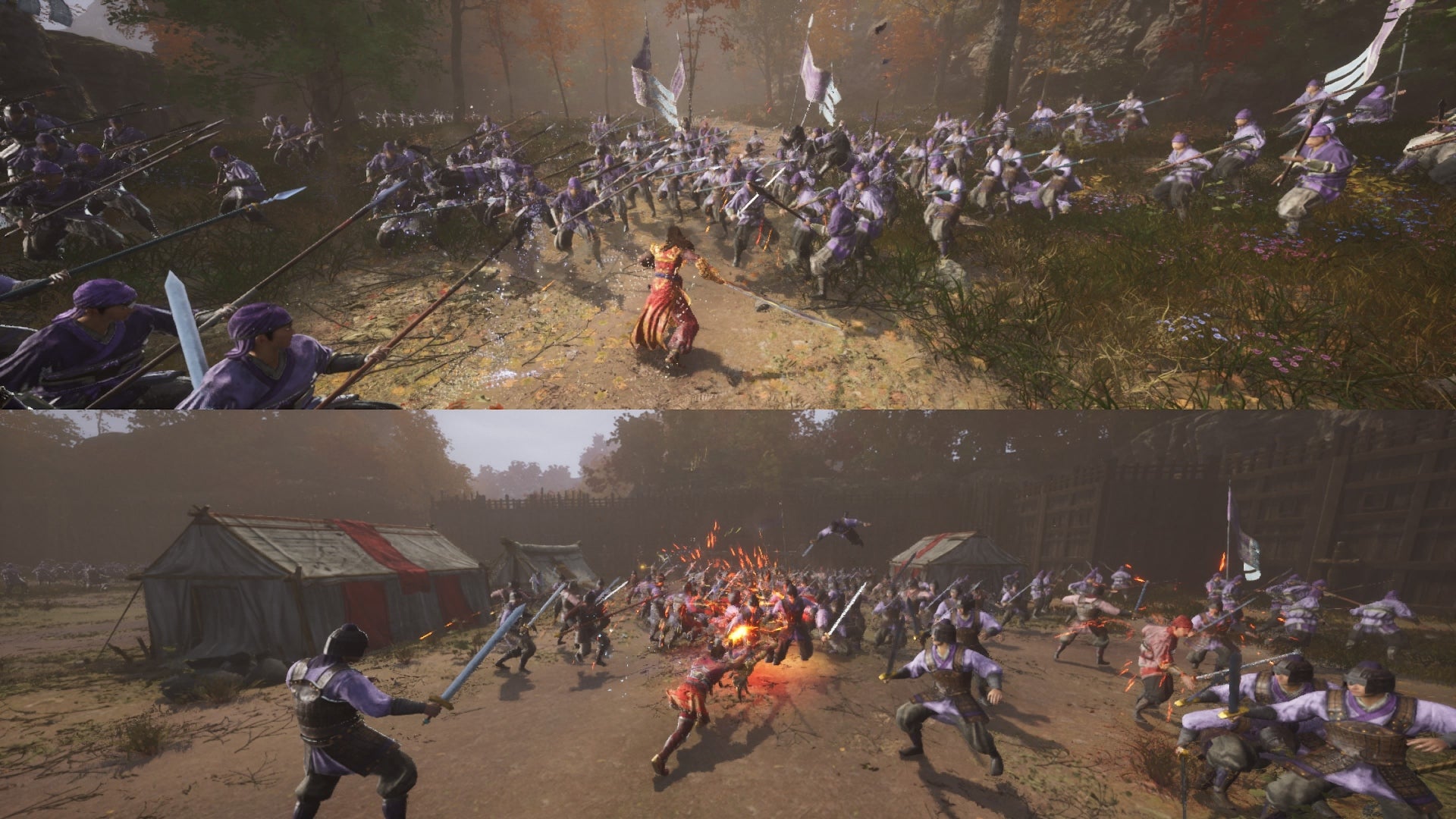
There are also a few quality-of-life features in the remaster that I appreciate. For one, healing items are marked on the map. At least, I don’t remember them being marked so clearly in the original, but either way, it’s a welcome addition. When your health is running low and you know there’s a meat bun sitting in a pot just a short walk away, that little bit of information can be a lifesaver. Nothing quite like knowing exactly where to go for a quick snack while you’re in the middle of a battlefield. On a side note, when this game originally came out, I had no idea what a Bao bun was. So to me, these floating white, teardrop shaped, health items looked like onions. So that’s what I referred to them as. Even to this day when playing co-op in other warriors games, I will tell him there are some onions over here.
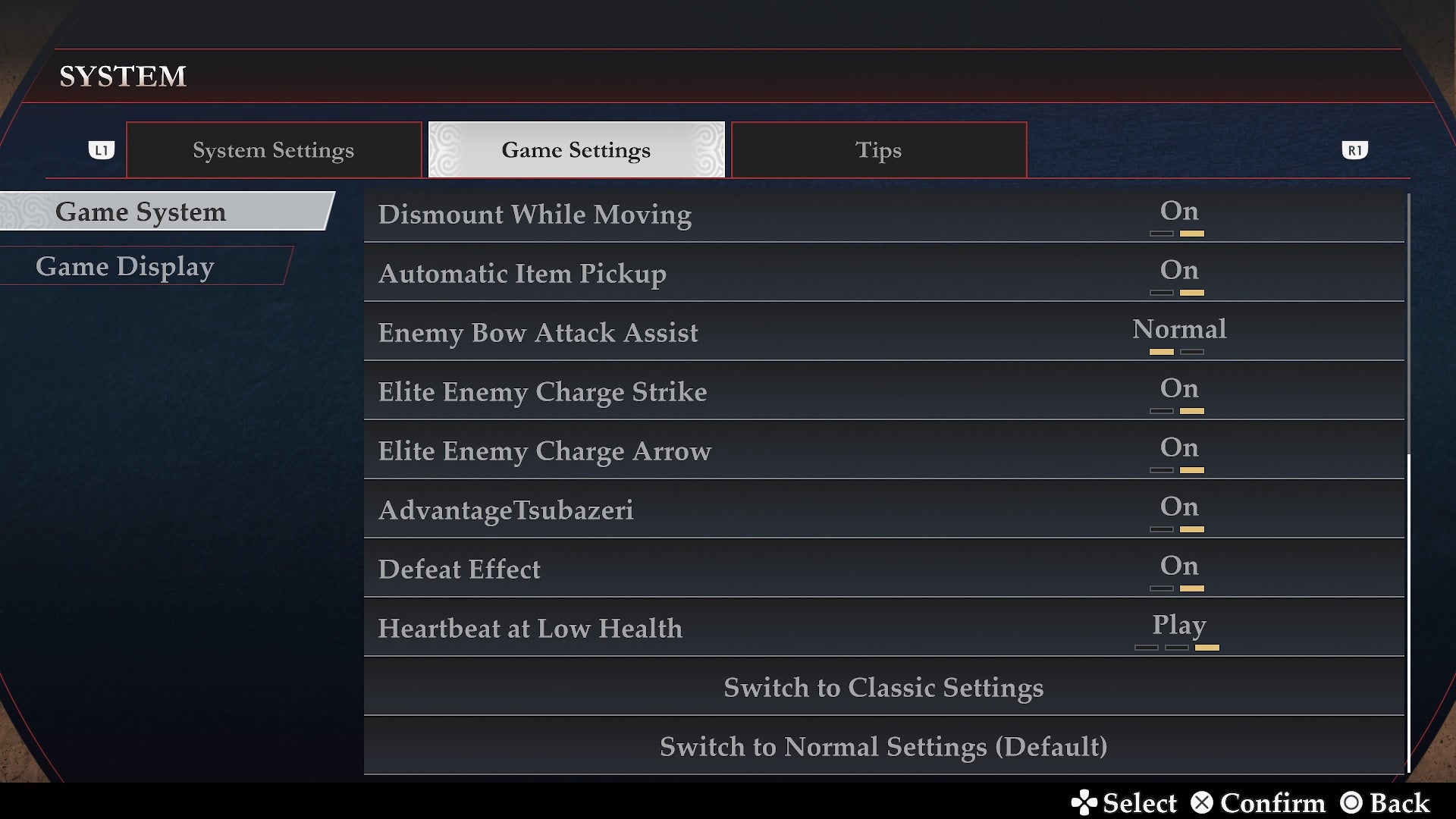
Speaking of lifesavers, the rewind feature from more recent Dynasty Warriors games has made its way into the remaster as well. If you find yourself in over your head and get defeated, you can rewind to an earlier checkpoint and pick up a few seconds or even a few minutes before your untimely demise. It’s a handy way to recover from a mistake without having to replay an entire stage, and it makes tackling the harder difficulties much less frustrating when you’re still building up your character’s stats and equipment.